You've seen the pictures. You've read the blogs. The idea of standing on a mountain pass above 4,000 meters, surrounded by a silence so profound it hums, is calling you. But between that dream and your boots hitting the trail is a gap filled with very real questions: Will my body handle the thin air? What if I get altitude sickness? Am I fit enough?
I've asked those same questions, standing at trailheads in the Andes and the Himalayas, feeling a mix of excitement and genuine apprehension. I've also made the mistakes—pushing too fast on day one, skimping on the wrong piece of gear, misunderstanding what "hydration" really means up high. This guide isn't just a list of tips. It's the collective wisdom from those missteps and successes, designed to get you to the summit and back safely, with your spirit intact.
What You'll Find in This Guide
How to Train Your Body for the Thin Air
Forget just running. High-altitude trekking is a full-body endurance puzzle. Your training needs to mimic the specific demands: long hours under a pack, uneven terrain, and sustained uphill effort.
The Foundation: Cardiovascular Endurance
You need an aerobic engine that can chug along for hours. Three months of consistent training is your minimum. Focus on low-intensity, long-duration sessions—think 60-90 minute hikes, bike rides, or runs where you can hold a conversation. This builds the mitochondrial density your muscles need to work efficiently with less oxygen. Twice a week, add hill repeats or stair climbing with your loaded pack. That burn in your quads? That's exactly what you're preparing for.
The Game-Changer: Leg Strength and Stability
Your knees and ankles will thank you. Squats, lunges, and step-ups are non-negotiable. But here's the subtle mistake I see: people neglect eccentric strength—the muscle contraction that controls you on the downhill. A descent can wreck you faster than the climb. Practice controlled, slow lowering in your lunges. Add calf raises to prevent shin splints on those long, rocky declines.
The Most Overlooked Element: Hiking with Your Pack
Your final month of training must include weekend hikes with the exact pack weight you plan to carry. This isn't just about fitness; it's about dialing in your pack's fit, identifying hot spots, and conditioning the specific muscles in your shoulders, back, and hips that a treadmill can't touch. I learned this the hard way on my first major trek—a poorly fitted hip belt led to bruises that made every step a misery by day three.
Understanding and Preventing Altitude Sickness
Altitude sickness (Acute Mountain Sickness, or AMS) isn't a sign of weakness; it's a physiological reality. It happens when you ascend faster than your body can adapt to the decreased oxygen pressure.
The Golden Rule: Acclimatize
Above 2,500 meters, follow the mantra: "Climb High, Sleep Low." Gain altitude during the day, but descend to sleep at a lower elevation. Most reputable trekking itineraries are built around this principle. The general guideline is not to increase your sleeping elevation by more than 300-500 meters per day, with a rest day every 1,000 meters.
Know the Symptoms
AMS can feel like a nasty hangover: headache, nausea, dizziness, fatigue, and loss of appetite. Ignoring a headache at altitude is your first big mistake. Use the Lake Louise Score system to self-assess. A persistent, worsening headache is your body's red flag.
Critical Warning: HACE (High-Altitude Cerebral Edema) and HAPE (High-Altitude Pulmonary Edema) are severe, life-threatening progressions of AMS. Symptoms include confusion, loss of coordination, a persistent cough with frothy sputum, and severe shortness of breath at rest. The only cure is immediate descent. Do not wait.
Medication: A Tool, Not a Magic Pill
Acetazolamide (Diamox) can aid acclimatization. It's not a guarantee against AMS, and it has side effects (tingling fingers, frequent urination). The key is to start it 24-48 hours before ascent, not when you already feel sick. I carry it as insurance on rapid ascents, but I never let it replace a sensible acclimatization schedule. Consult a travel medicine doctor to see if it's right for you.
The Non-Negotiable Gear Essentials
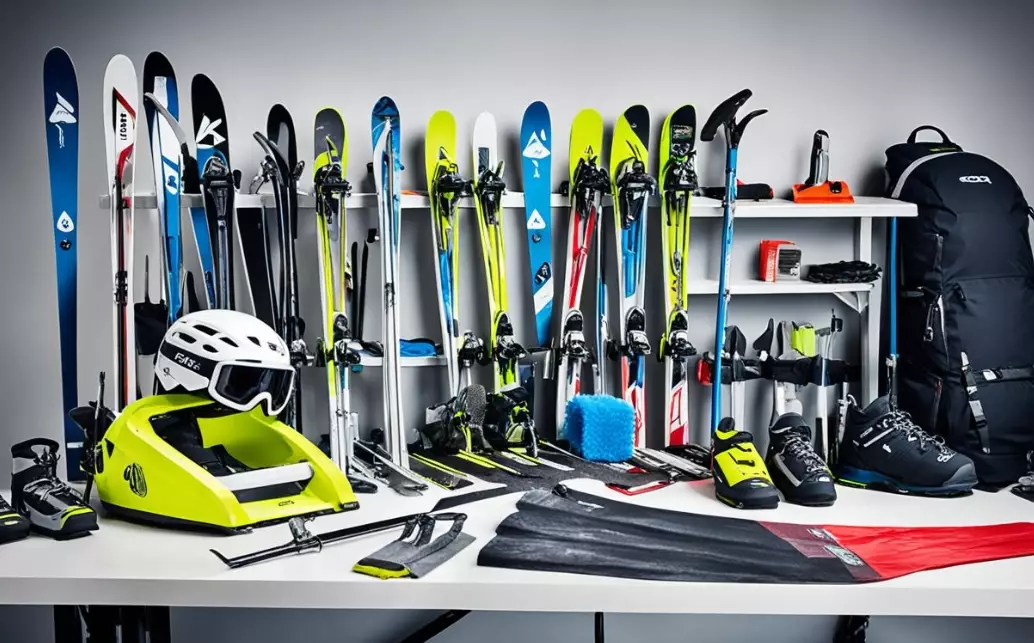
Gear can make or break your comfort and safety. This isn't about having the most expensive items; it's about having the right, reliable ones.
| Category | Essential Item | Why It Matters & Pro Tip |
|---|---|---|
| Footwear | Sturdy, broken-in hiking boots | Ankle support is crucial for rocky trails. Waterproof (Gore-Tex) is a must. Break them in over 50+ km before the trek—blisters at 4,000m are a special kind of hell. |
| Layering System | Baselayer, insulating mid-layer, waterproof shell | Merino wool or synthetic baselayers manage sweat. A down or synthetic puffy is your lifesaver at camp. Temperatures can swing 30°C between sun and shade. |
| Backpack | Properly fitted 50-70L pack | Get professionally fitted. The weight must sit on your hips, not your shoulders. A rain cover is essential for afternoon storms. |
| Sleeping | Sleeping bag rated for -10°C comfort | Teahouse sleeping bags are often thin and damp. Bring your own or a high-quality liner. A sleeping pad with a good R-value insulates you from the cold ground. |
| Hydration | Two 1L water bottles + purification | Bladders freeze in the tube. Use insulated bottles. Aquatabs or a Steripen are lighter and faster than a filter for treating water from safe sources. |
| Extras | Trekking poles, headlamp, sunscreen (SPF 50+) | Poles save 30% energy on knees. A headlamp with red-light mode preserves night vision. The sun at altitude is brutal—zinc oxide for nose and lips. |
Nutrition and Hydration: Fuel for the Climb
At altitude, your appetite plummets, but your energy needs skyrocket. You have to eat and drink strategically, not just when you feel like it.
Hydration is a Constant Job
Aim for 4-5 liters of fluid daily. Dehydration mimics and worsens AMS symptoms. I set a timer to sip water every 15 minutes while walking. Electrolyte tablets are not a gimmick; they help your body retain the water you're drinking and replace salts lost through sweat.
Forced Feeding
You won't be hungry. Eat anyway. Focus on high-carbohydrate, easily digestible foods: oatmeal, noodles, rice, potatoes. Snack constantly—nuts, dried fruit, energy bars. Fatty and heavy proteins are harder to digest when your body is stressed. On a trek in Nepal, my dinner strategy became "dal bhat power, 24 hour"—the local lentil and rice dish is carb-heavy, replenishing, and usually unlimited.
On-Trail Strategies for Success
Your mindset and pace are as important as your fitness.
Pole Pole (Slowly, Slowly)
Adopt the pace of the local guides. Walk at a speed where you can breathe comfortably through your nose. If you're gasping, you're going too fast. Let slower trekkers pass without ego. The tortoise wins at altitude.
Listen to Your Body, Not Your Ego
A slight headache? Stop, drink water, take some ibuprofen. Feeling nauseous? Consider a rest day. Pushing through early AMS symptoms almost always leads to a worse outcome and can ruin your entire trek. I've turned back a few hours from a pass because the weather and my headache were conspiring against me. It was the right call. The mountain will be there another time.
Respect the Environment
Follow Leave No Trace principles. Pack out all trash, including toilet paper. Use established toilets where they exist. The pristine landscapes you've come to see depend on it.
Your High-Altitude Trekking Questions Answered
Preparing for high-altitude trekking is a journey in itself. It demands respect for the mountains and honesty with yourself. Train diligently, pack thoughtfully, ascend patiently, and listen to the whispers of your body. The reward—those moments of breathtaking beauty and hard-earned peace at the roof of the world—is worth every step of the preparation.