Let's cut to the chase. High-altitude hiking is different. It's not just a harder version of your local hill walk. The air gets thin, your head might pound, and the weather can turn on a dime. But the payoff? Unreal. Views that stretch forever, a sense of achievement that's hard to match, and landscapes that feel otherworldly. I've been doing this for over a decade, from the Andes to the Himalayas, and I've made every mistake in the book so you don't have to. This guide isn't about fluffy inspiration; it's the practical, nitty-gritty info you need to plan a safe, successful, and genuinely enjoyable high-altitude trek.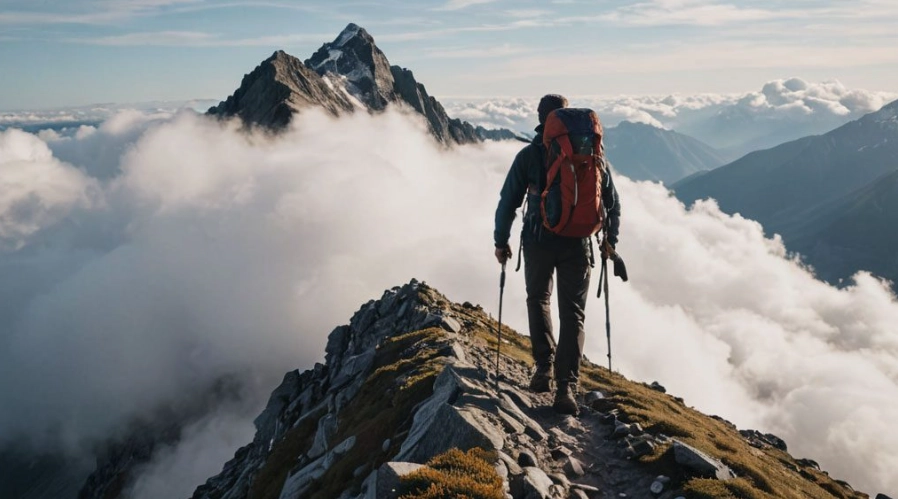
What's Inside This Guide?
Understanding & Beating Altitude Sickness
This is the big one. Altitude sickness (Acute Mountain Sickness - AMS) isn't a sign of weakness; it's your body struggling with less oxygen. Ignoring it is the single biggest mistake beginners make.
Symptoms You Can't Ignore
It starts subtly. A dull headache that won't quit with aspirin. A sudden lack of appetite, even for your favorite trail snack. Nausea, dizziness, and feeling unusually tired. If you experience these, stop ascending. Pushing higher is the worst thing you can do.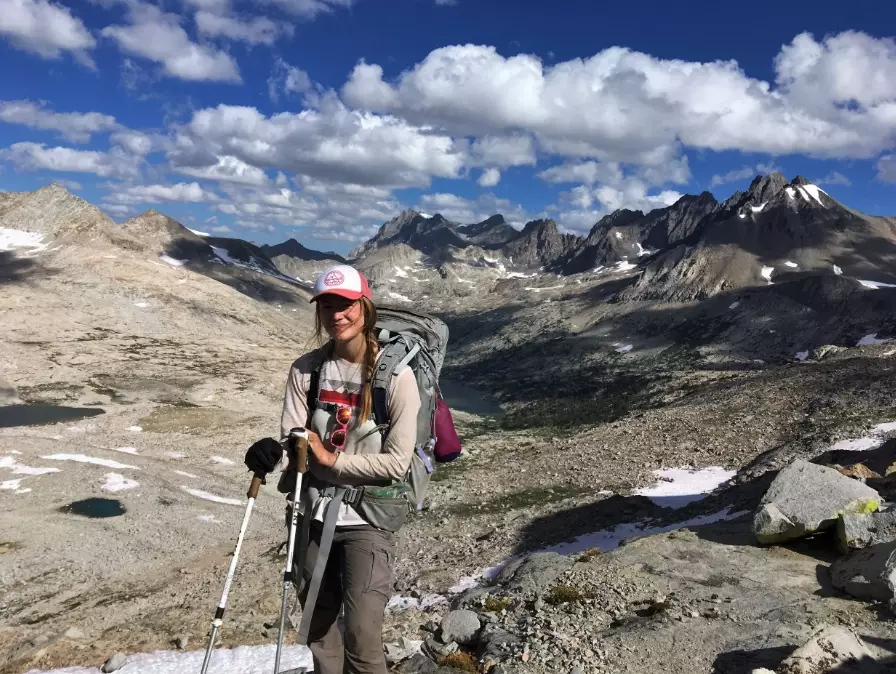
Red Flags (Get Down Now!): If symptoms progress to severe headache, vomiting, loss of coordination (trouble walking a straight line), confusion, or shortness of breath at rest, this is HAPE or HACE—life-threatening conditions. The only treatment is immediate descent. Don't wait for morning.
The Golden Rule: Acclimatization
Your body needs time to build more red blood cells. The old mountaineering adage is gospel: "Climb high, sleep low." A practical schedule? For every 1,000 feet (300 meters) you gain above 8,000 feet (2,400 meters), plan a full acclimatization day with only a short, gentle hike. On a trek to Everest Base Camp (17,600 ft), for example, you'll have multiple rest/acclimatization days built in.
Hydration is your best friend. At altitude, you lose water through respiration much faster. Aim for 4-5 liters per day. Your urine should be clear or pale yellow.
How to Prepare Your Body for High Altitude?
You can't simulate thin air at sea level, but you can build a robust engine. Cardio is king. Forget brute strength.
- Focus on Endurance: Months out, build a base with long, slow runs, bike rides, or hikes with a loaded pack. Being able to move for 4-6 hours comfortably is the goal.
- Train with Your Pack: Don't just go to the gym. Hike local trails with the exact pack weight you'll carry. This trains stabilizer muscles and gets you used to the feel.
- One Non-Consensus Tip: Most guides say "do squats." I say prioritize downhill training. Descents punish your quits and knees far more than the climb up. Find a steep hill and practice going down with control, using trekking poles. It saves your joints on the big day.
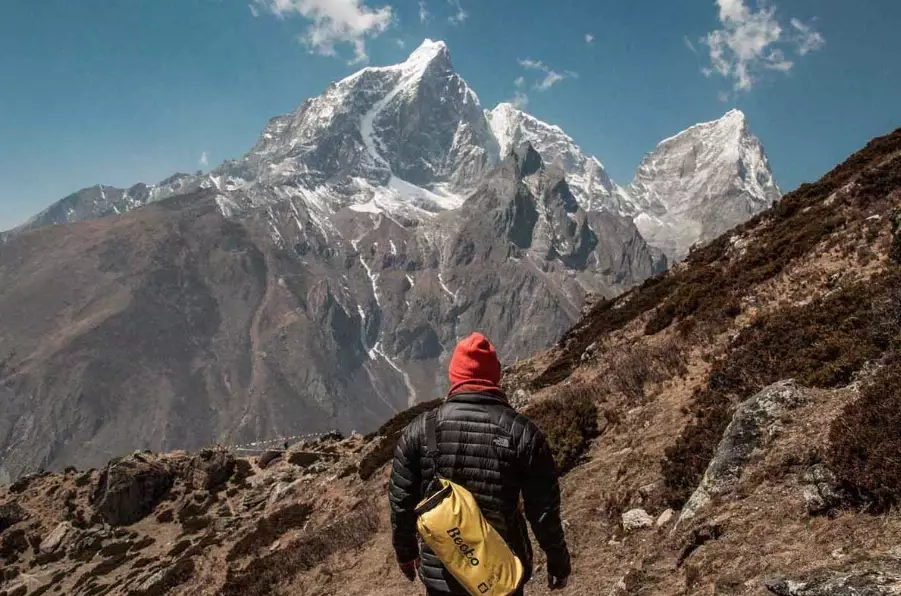
The Non-Negotiable Gear Checklist
Gear failure at 14,000 feet isn't an inconvenience; it's a safety issue. This isn't the place to cut corners.
| Gear Category | Specific Items & Why They Matter | Pro Tip / Common Mistake |
|---|---|---|
| Footwear | Sturdy, broken-in hiking boots with ankle support. Trail runners won't cut it on rocky, uneven terrain. | Break them in over 50+ miles. Blisters can ruin a trek. Carry a dedicated blister kit. |
| Layering System | Merino wool or synthetic base layer, insulated mid-layer (fleece/puffy), and a high-quality waterproof & windproof shell. | Cotton is rotten. It holds moisture and steals body heat. Avoid it completely. |
| Head & Hands | Warm beanie, sun hat with brim, sunglasses (UV400), and thermal gloves + waterproof over-gloves. | You lose massive heat through your head. A warm hat is as crucial as a jacket. |
| Essentials | Trekking poles (save 30% knee impact), headlamp with extra batteries, a wide-mouth water bottle (easier to fill with treated water), and high-SPF lip balm. | Poles aren't optional. They provide stability on descents and take weight off your legs. The collapsible ones are best for travel. |
My Personal Must-Have: A lightweight, insulated sleeping pad with a high R-value. Teahouse and camp sleeping surfaces are often cold and hard. Good sleep is critical for recovery and acclimatization. Don't rely on what's provided.
Planning Your First High-Altitude Trek
Choosing the right first trek is everything. You want challenge, not suffering.
A Perfect First-Timer Example: The Rainbow Mountain (Vinicunca), Peru.
- Why it works: It's a single, tough day hike (not a multi-day commitment), reaching about 17,060 ft. You sleep low in Cusco (11,150 ft), which aids acclimatization.
- The Logistics: Most go with a guided tour from Cusco. Cost is ~$50-$80 USD. They handle transport (3hr drive), breakfast/lunch, and have oxygen on standby. You start hiking around 14,200 ft.
- Real Talk: The last hour is steep and the altitude hits hard. Go slow, use poles, and don't be ashamed to take the available horseback option for part of the climb if you need to. The striped mineral views are worth it.
For a multi-day intro, consider Nepal's Annapurna Base Camp (ABC) trek over Everest Base Camp (EBC). ABC reaches 13,550 ft, involves less extreme altitude, and the teahouse infrastructure is fantastic. The scenery is just as dramatic, with massive peaks surrounding you in the sanctuary.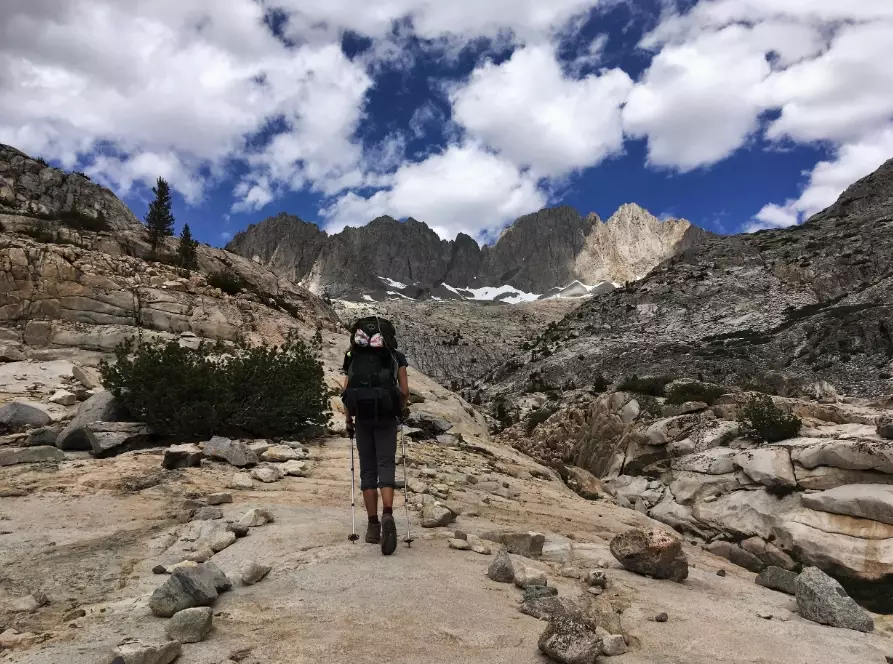
On-Trail Safety Strategies That Matter
It's not just about what you pack, but how you act.
Pace is everything. Adopt the "rest step" and pressure breathing techniques used by mountaineers. Move at a pace where you can hold a conversation. If you're gasping, you're going too fast.
Weather is the boss. Afternoon storms are common in many ranges. Start hikes early—aim to be off the highest, most exposed sections by 1 PM. Always have your rain shell accessible, not buried.
Never hike alone. Even on a popular trail, go with at least one partner. Share your itinerary with someone back home. Consider a local guide—their knowledge of weather patterns, trail conditions, and emergency procedures is invaluable insurance.
Expert Answers to Your Burning Questions
 Do altitude sickness medications like Diamox really work?