There's nothing quite like the feeling of hitting the trail with your dog. The shared excitement, the fresh air, the unspoken bond. It's pure joy. But I've also seen the flip side—the dog panting heavily on a hot day with no water left, the owner struggling with a tangled leash on a narrow ledge, the awkward encounter with a trail runner who's not a fan of dogs. A successful hike with your dog isn't just about finding a pretty path. It's a mix of preparation, respect, and reading your dog's cues in a way that most generic checklists miss.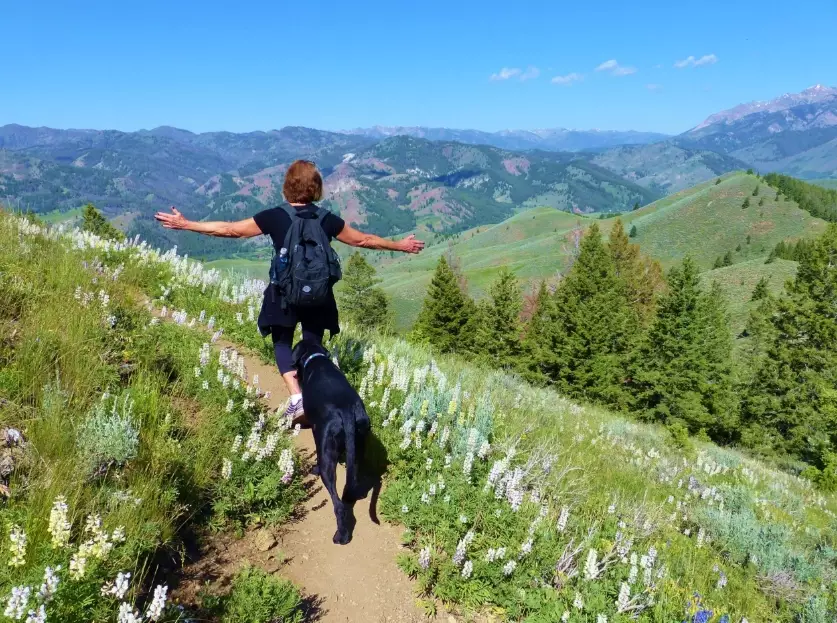
Quick Navigation: What's in This Guide?
Essential Gear for Hiking with Your Dog
Forget the fancy outfits. Your dog's hiking gear is about function and safety. A common mistake is assuming your dog's everyday collar and leash are fine. On uneven terrain, a flat collar can put pressure on the trachea if your dog pulls. A harness is non-negotiable for most hiking dogs.
The Non-Negotiable Core Kit
- A Proper Harness: Look for a padded, Y-front design (like those from Ruffwear or Kurgo) that doesn't restrict shoulder movement. A handle on the back is a lifesaver for helping your dog over obstacles or quick control.
- A Sturdy Leash (6-foot): Retractable leashes are a trail hazard. A standard 6-foot leash gives you control without tangling. I prefer a hands-free waist leash for long hikes, but you need a dog with solid leash manners first.
- Dog-Specific First Aid Kit: Human kits lack key items. Add vet wrap (sticks to itself, not fur), a tick removal tool, antiseptic wipes safe for licking, and a compact emergency blanket. The American Kennel Club has a good checklist for building your own.
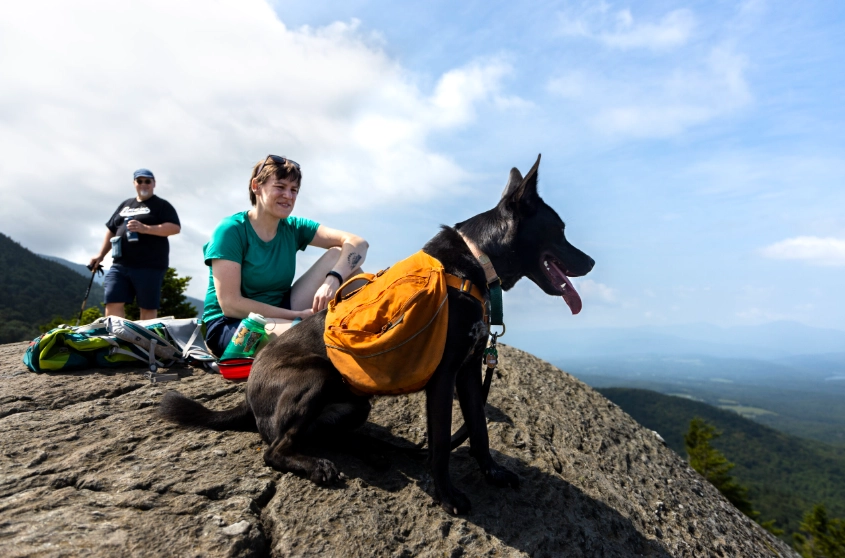
- Portable Water & Bowl: Your dog needs more water than you think. I use a collapsible silicone bowl and a dedicated 1-liter water bottle for my 60-pound dog. On hot days, we go through it all.
Pro Tip: Test new gear at home and on short walks first. The last thing you want is a chafing harness or a dog that refuses to move because of new booties on mile three of a five-mile loop.
The "Depends on the Hike" Gear
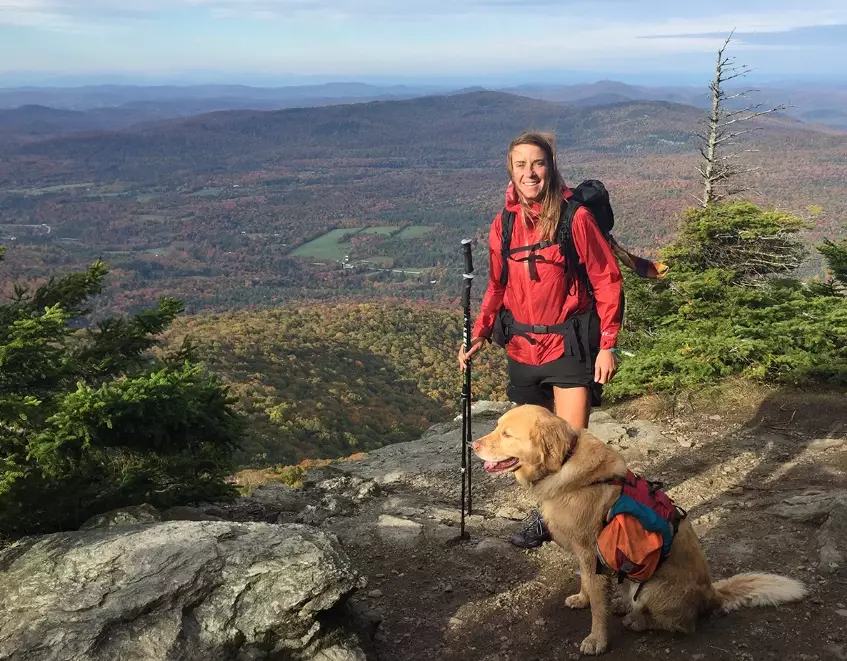
Booties protect paws from sharp rocks, hot sand, or ice-melting salt. My dog hated them at first. The trick? Put them on right before you step onto the challenging surface (e.g., the rocky trailhead), so the association is positive. A dog backpack lets your dog carry their own water and snacks, but never load it with more than 25% of their body weight, and ensure it's balanced.
How to Find the Perfect Dog-Friendly Trail
"Dog-friendly" can mean anything from "dogs allowed" to "dogs truly welcome." Your job is to decode it. National parks in the U.S. are famously restrictive, often only allowing dogs in parking lots and paved areas. National Forests and Bureau of Land Management (BLM) land are usually much more permissive, but always check the specific district's website for current rules.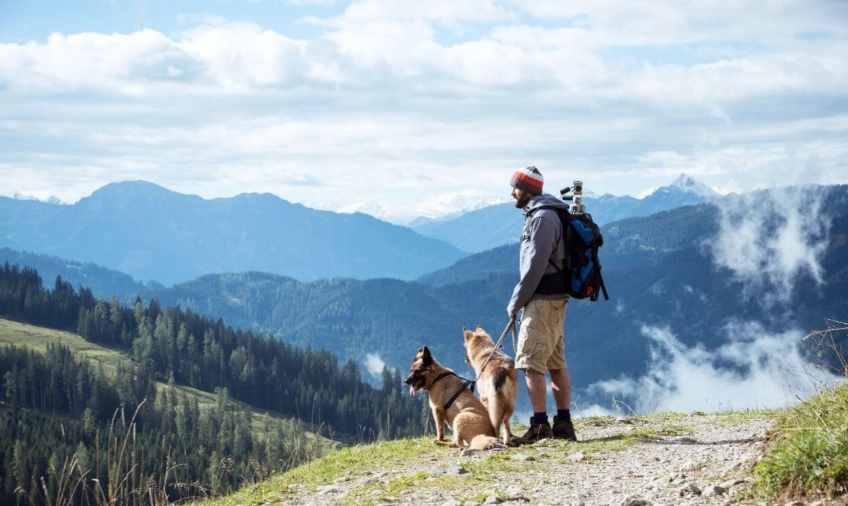
I rely on apps like AllTrails and filter for "dog friendly." But I always cross-reference the reviews. Look for recent comments mentioning leash rules, wildlife sightings (like snakes or bears), and water sources. A trail listed as dog-friendly might have a 6-foot leash mandate, which is different from an off-leash area.
| Trail Type | Best For | Key Considerations |
|---|---|---|
| Forest Loop Trails (e.g., Pacific Crest Trail sections) | Beginner dogs, hot weather (shade), high-energy breeds. | Watch for roots and mud. Often shared with mountain bikers. |
| Rocky Mountain Paths (e.g., Appalachian Trail access points) | Agile, sure-footed dogs. Breathtaking views. | Paw protection (booties), watch for loose scree, ensure your dog is comfortable with exposure. |
| Beach & Coastal Walks | Dogs who love to swim and dig. Easy on joints. | Check tide schedules, rinse saltwater off after, be mindful of shorebird nesting areas. |
| Local Park & Greenway Paths | Training, senior dogs, short weekend strolls. | Strict leash laws, high traffic (people, bikes, other dogs). Good for practicing manners. |
On-Trail Safety: Beyond the Basics
Everyone knows to bring water. The subtle mistakes happen in the moment. A major one is misreading fatigue. Dogs are pack animals and will push themselves to keep up with you until they collapse. It's on you to call breaks before they're lagging. Look for heavy panting that doesn't ease with rest, seeking shade constantly, or a lagging tongue that looks wide and flat.
How to Handle Common Trail Hazards
Wildlife: Keep your dog leashed. It protects them from chasing a deer off a cliff and protects wildlife from stress. In areas with snakes, stick to clear trails and avoid letting your dog poke around holes or under rocks. For bears, make noise (talk to your dog!) and carry bear spray you know how to use.
Water: Not all dogs are natural swimmers, and not all water is safe. Currents can be deceptively strong. If your dog drinks from streams, you risk giardia. I always offer clean water first to reduce their temptation.
Weather: A 70-degree day in the sun on a black rock face can burn paw pads quickly. Feel the ground with your hand. In cold weather, watch for ice balls forming between paw pads.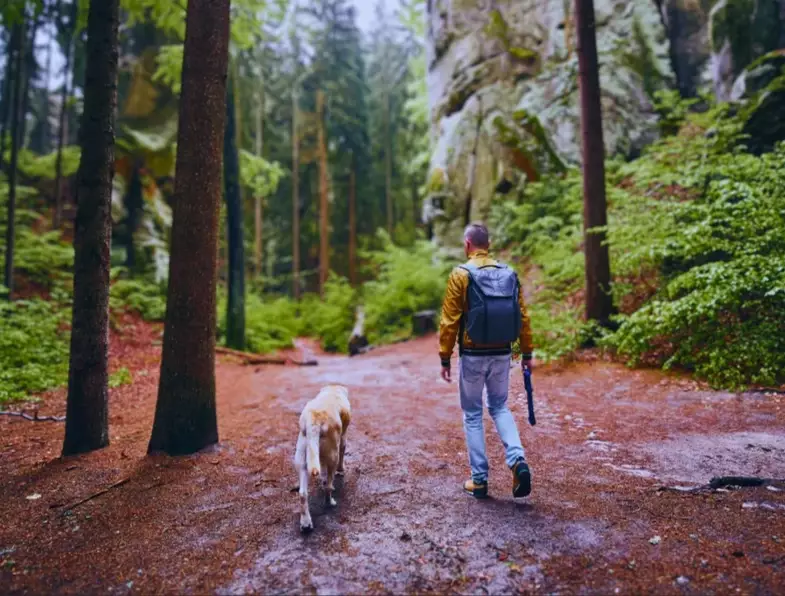
The Biggest Oversight: Many hikers don't have a plan for if their dog gets injured and can't walk. Can you carry your 50-pound dog out? A compact emergency sling (like the Fido Pro) is a wise addition to your pack for medium to large dogs.
Trail Etiquette Every Dog Owner Must Know
This is how we keep trails open to dogs. It's simple: you are responsible for your dog's impact on the trail, wildlife, and other people.
- Leash Means Leash: Even if you have perfect voice control, if the sign says "6-ft leash required," use it. It's about respecting the land manager's rules and other hikers' comfort.
- Yield the Trail: Step off the trail with your dog under control to let others pass—especially horses, bikers, and other hikers without dogs. Shorten your leash.
- Pack Out ALL Waste: This is non-negotiable. Burying it isn't enough. Use biodegradable bags, but then carry that bag out. Leaving tied bags on the side of the trail is worse than doing nothing. I double-bag and keep it in an odor-proof pouch on my pack.
- Manage the Meet & Greet: Not every hiker or dog wants to say hi. Ask "Is your dog friendly?" before allowing contact. If in doubt, a cheerful "We're training, have a great hike!" as you pass works perfectly.
A negative interaction because of a poorly managed dog can lead to complaints and trail closures for everyone. We're all ambassadors.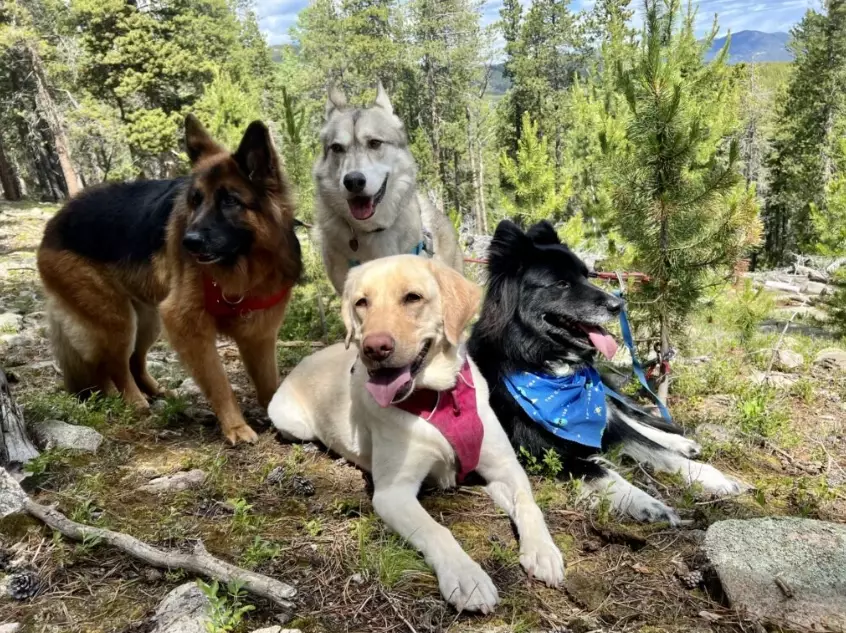
Your Hiking with Dogs Questions Answered
 Are there any specific vaccinations or preventatives I need beyond the usual?