Let's cut to the chase: a Japanese tea ceremony experience is more than just drinking matcha. It's a moving meditation, a lesson in aesthetics, and a direct line to the heart of Japanese culture. But here's the thing most blogs don't tell you—if you pick the wrong venue or go in unprepared, it can feel awkward, overly rigid, or worse, like a overpriced tourist trap. After living in Kyoto for years and attending more ceremonies than I can count, I've learned the subtle differences that separate a forgettable show from a transformative moment. This guide isn't just about what the ceremony is; it's about how to actually have a great one. We'll cover where to go in Kyoto (with specific addresses and prices), what really happens step-by-step, and the tiny etiquette details most first-timers miss completely.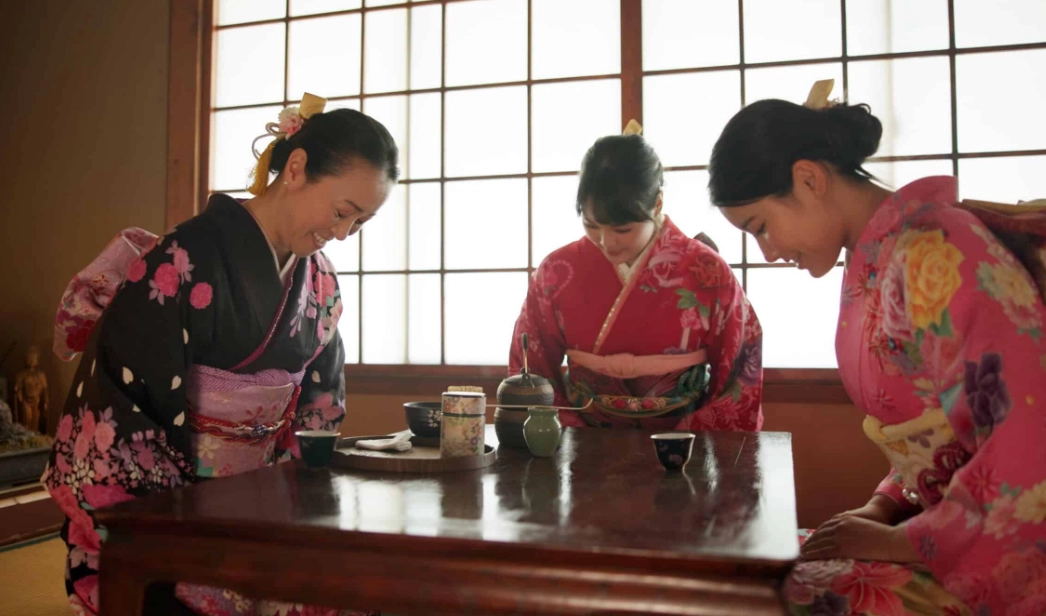
Your Quick Journey Map
- What Exactly Happens in a Tea Ceremony?
- How to Choose the Right Tea Ceremony Venue in Kyoto
- A Step-by-Step Walkthrough of the Ceremony
- Common Etiquette Mistakes (And How to Avoid Them)
- Top Kyoto Tea Houses for an Authentic Experience
- Practical Planning & Booking Tips
- Your Tea Ceremony Questions Answered
What Exactly Happens in a Tea Ceremony? Beyond the Matcha
You walk into a quiet, minimalist room. The air smells faintly of tatami and incense. The host moves with a slow, deliberate grace. This is the Japanese tea ceremony experience, or chanoyu/sado. The goal isn't efficiency. It's presence.
Think of it as a choreographed performance where every movement—how the bowl is wiped, how the water is poured—has meaning. The tea itself, that vibrant green matcha, is almost the final note in a long symphony. The ceremony engages all your senses: the sound of water boiling, the sight of seasonal flower arrangements (chabana), the texture of the ceramic bowl in your hands.
Most tourist-oriented sessions are based on the usucha (thin tea) ceremony, which lasts 30-45 minutes. Longer, more formal koicha (thick tea) ceremonies are rarer for beginners. The core philosophy revolves around four principles: harmony (和 wa), respect (敬 kei), purity (清 sei), and tranquility (寂 jaku). It's not a history lesson you passively receive; it's an atmosphere you step into.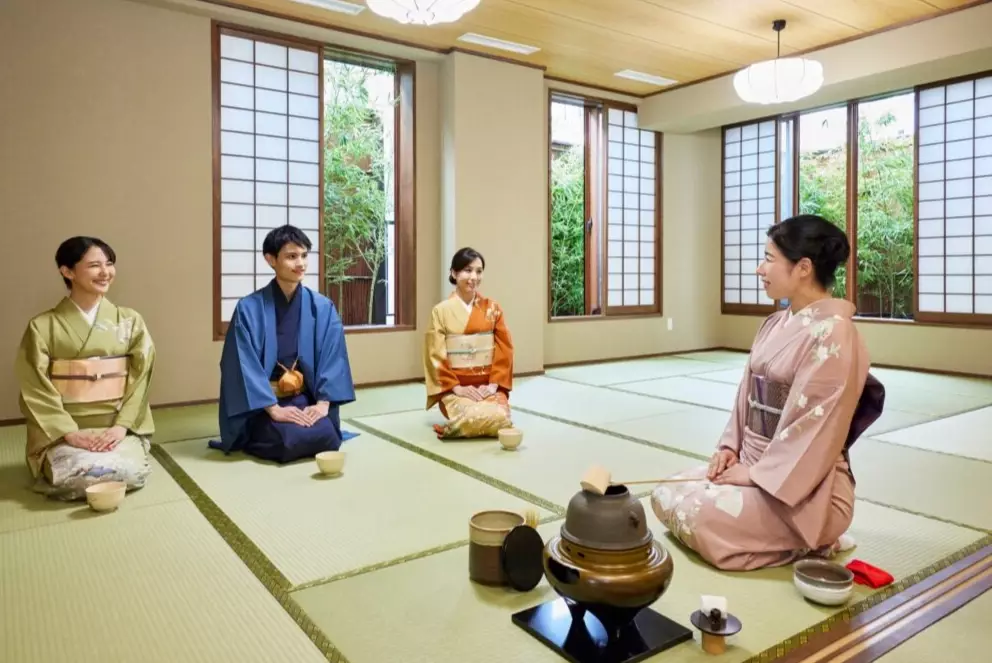
How to Choose the Right Tea Ceremony Venue in Kyoto
Kyoto is the spiritual home of the tea ceremony. You'll find options from grand cultural centers to intimate private homes. Your choice will define your experience.
The Three Main Types of Experiences
- The Cultural Institute Demo: Places like the Kyoto City Tourism Association often list these. They're good for a clear, explanatory overview. The host usually narrates each step in English. Downside? It can feel a bit like watching a show.
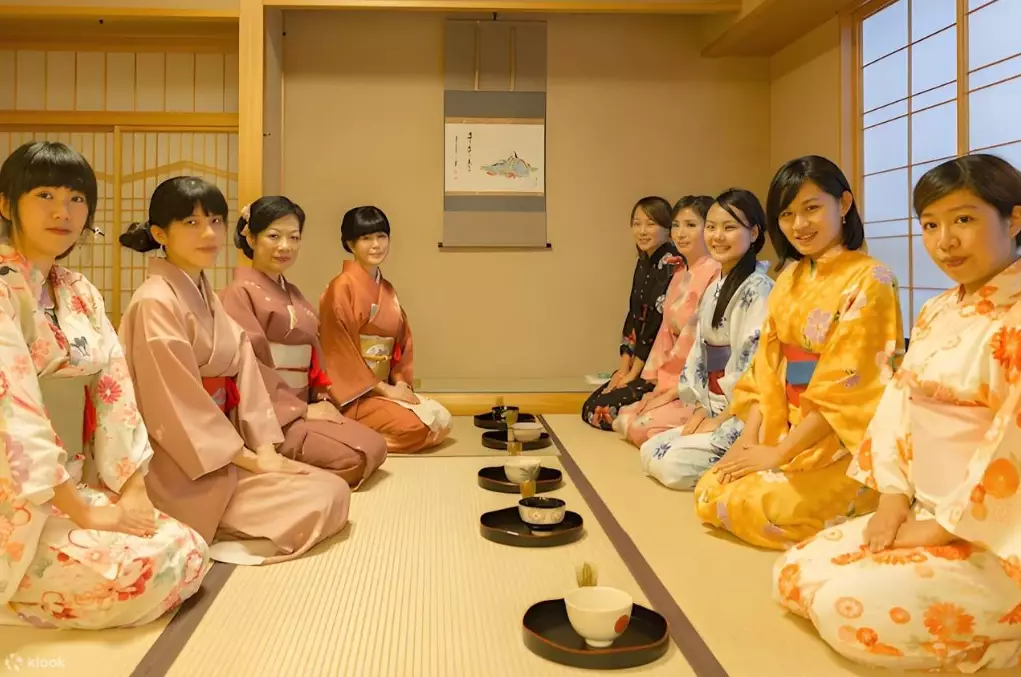
- The Tea School Session: Often held in a purpose-built chashitsu (tea room). These are more authentic. The focus is on the ritual itself, with less continuous narration. You might be seated in the traditional seiza style (on your knees). Check if they offer stool seating if you have knee problems.
- The Machiya Townhouse Experience: My personal favorite. These are held in renovated traditional wooden townhouses. The scale is intimate (often 4-8 guests), and the setting feels personal and historical. This is where you feel the wabi-sabi aesthetic—the beauty in imperfection and transience—most deeply.
Pro Tip: Decoding the Description
When booking online, look for specific phrases. "Hands-on" or "you can make your own matcha" means you'll get to whisk the tea yourself—a fun, engaging twist. "Explanatory" or "demonstration" style means you'll mostly watch. "Traditional kaiseki meal included" signals a much longer, more formal (and expensive) multi-course event. For a first timer, a 45-60 minute hands-on session is the sweet spot.
A Step-by-Step Walkthrough: From Entry to Last Sip
Let's walk through a typical short ceremony so nothing surprises you.
- Arrival & Purification: You'll arrive early. Often, you'll wait in a garden or waiting area. This is part of the process—shedding the outside world. You might rinse your hands and mouth at a stone basin (tsukubai), a symbolic act of purification.
- Entering the Tearoom: You'll enter through a small, low door (nijiriguchi), forcing you to bow and humble yourself. Inside, admire the scroll and flower arrangement. Sit quietly. Seating order is usually predetermined.
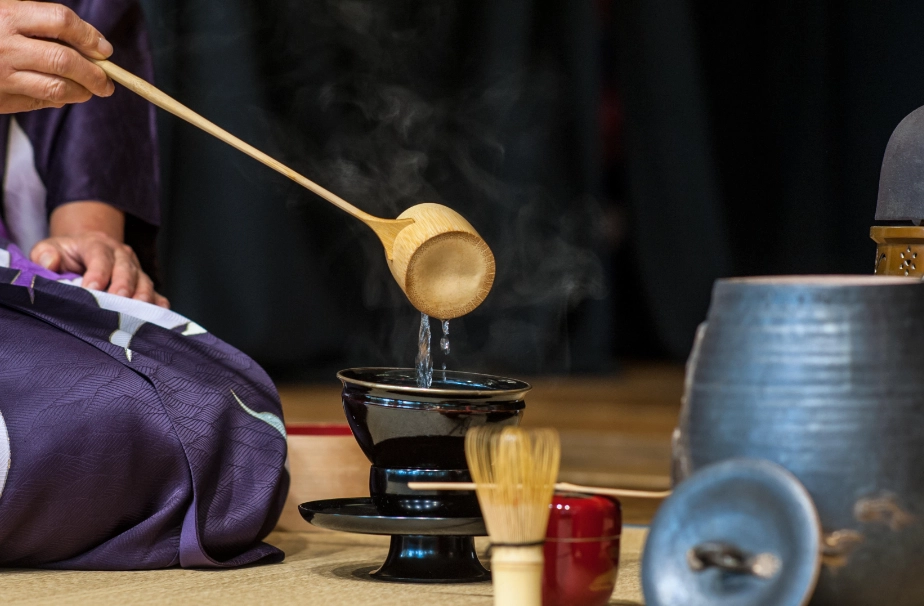
- The Host's Preparation: The host enters. Every tool—the tea scoop (chashaku), whisk (chasen), bowl (chawan)—is cleaned in front of you with specific, graceful motions. This isn't cleaning; it's a ritual of mindfulness.
- Making the Tea: Matcha powder is scooped, hot water is ladled, and the tea is whisked into a frothy emulsion. The sound is a soft, rhythmic swish.
- Serving & Drinking: The bowl is placed before the main guest. You bow, take the bowl with your right hand, place it on your left palm, and give it a slight turn (usually twice) to avoid drinking from the front. Drink in a few sips. The taste is vegetal, slightly bitter, and umami-rich. Slurp the last sip to show enjoyment. Wipe the rim where your lips touched, turn the bowl back, and admire its craftsmanship before passing it on or returning it.
- Appreciating the Tools: Before it's all cleared away, you may be invited to examine the bowl and other utensils. Hold them with respect. This is the moment to see the unique glaze or the bamboo grain up close.
Common Etiquette Mistakes (And How to Avoid Them)
Most hosts are forgiving of foreigners, but knowing these will make you feel more confident and show respect.
The Big One: Noise. This isn't a library, but casual chatter is a no-go. The ceremony is about appreciating the sounds within the room. Turn your phone completely off, not just on silent. The vibration is distracting.
Footwear Fumbles: You'll always remove your shoes. Bring socks without holes (you'll be seen). Slippers are often provided for walking to the tea room, which you then remove before entering the tatami.
The Bowl Turn: Many guides say "always turn the bowl twice." It's not that simple. In some schools, you turn it to appreciate the front, then turn it back so you don't drink from the front. The best advice? Watch the host or the guest before you. Do what they do. If you're first, a slight, deliberate turn is enough. The intent—showing respect for the bowl—matters more than the exact rotation count.
Slurping Anxiety: Yes, you should slurp the last sip. It's polite, showing you enjoyed it. But don't force an exaggerated, noisy slurp through the whole drink. A natural, audible finish is fine.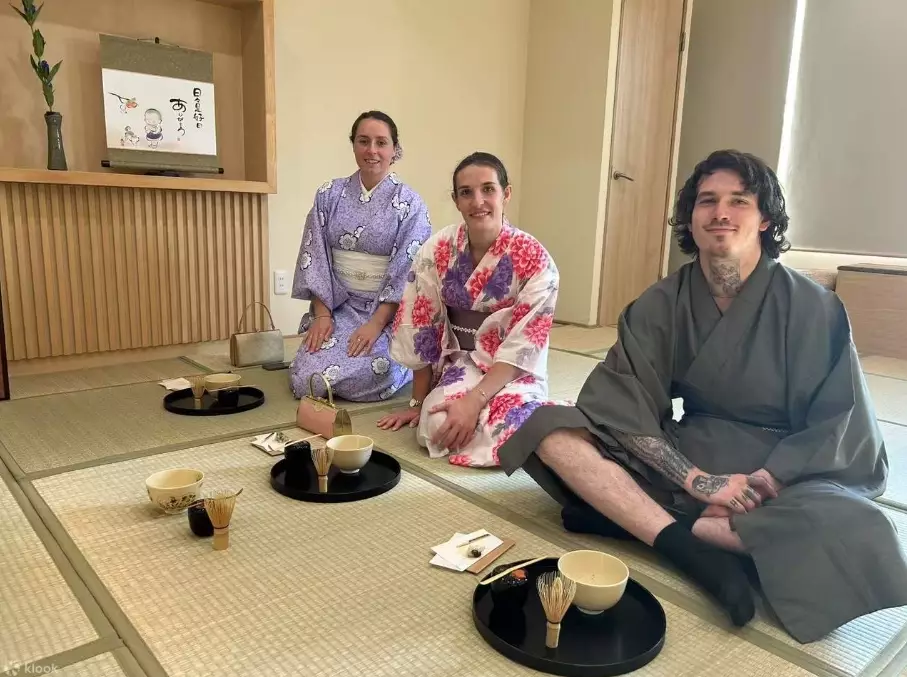
Top Kyoto Tea Houses for an Authentic Experience
Here are specific, tried-and-tested venues catering to non-Japanese speakers. Prices are approximate per person.
| Venue Name & Area | Type of Experience | Key Features & What to Know | Approx. Price & Duration | Best For |
|---|---|---|---|---|
| Camellia Flower (Gion) Address: 349 Masuya-chō, Higashiyama Ward |
Machiya Townhouse | Intimate groups (max 7). Hands-on whisking. Excellent English explanation. They focus on the philosophy behind each action. Book well ahead. | ¥2,500 / 45 min | First-timers wanting deep understanding in a beautiful setting. |
| En (Gion) Address: 572 Gionmachi Minamigawa |
Tea School / Cultural Studio | Offers both demonstration and hands-on sessions. You can choose to wear a kimono (extra fee). Located in the heart of Gion, perfect before an evening stroll. | ¥2,000-4,000 / 40-60 min | Those who want a kimono photo-op combined with the ceremony. |
| Tea Ceremony Koto (Arashiyama) | Cultural Studio | Near the famous bamboo grove. Very tourist-friendly and used to beginners. Sessions run frequently, so easier to get last-minute slots. Explanatory style. | ¥1,800 / 30 min | Travelers with tight schedules visiting Arashiyama. |
| Jotokuji Temple (Off the beaten path) | Temple Experience | A truly unique setting inside a Zen temple. Less polished, more spiritual atmosphere. Often includes a short meditation. English may be limited but gestures work. | Donation-based (~¥1,500) / 50 min | Seekers wanting a more solemn, non-commercial vibe. |
Practical Planning & Booking Tips
When to Book: For popular spots like Camellia, book at least 2-3 weeks in advance, especially during cherry blossom (March-April) and autumn foliage (October-November) seasons.
What to Wear: Comfortable, modest clothing. Avoid short skirts or shorts as you'll be sitting low. A layer is good as temperatures in traditional buildings can vary.
Health & Mobility: Seiza (kneeling) is tough. Almost all venues offer stool seating if you ask in advance. Don't suffer through it; they'd rather you be comfortable. Just mention it when booking.
The Sweet: A traditional Japanese sweet (wagashi) is always served before the tea. It's designed to balance the matcha's bitterness. Eat it with the provided pick before your tea is served. Don't save it for after.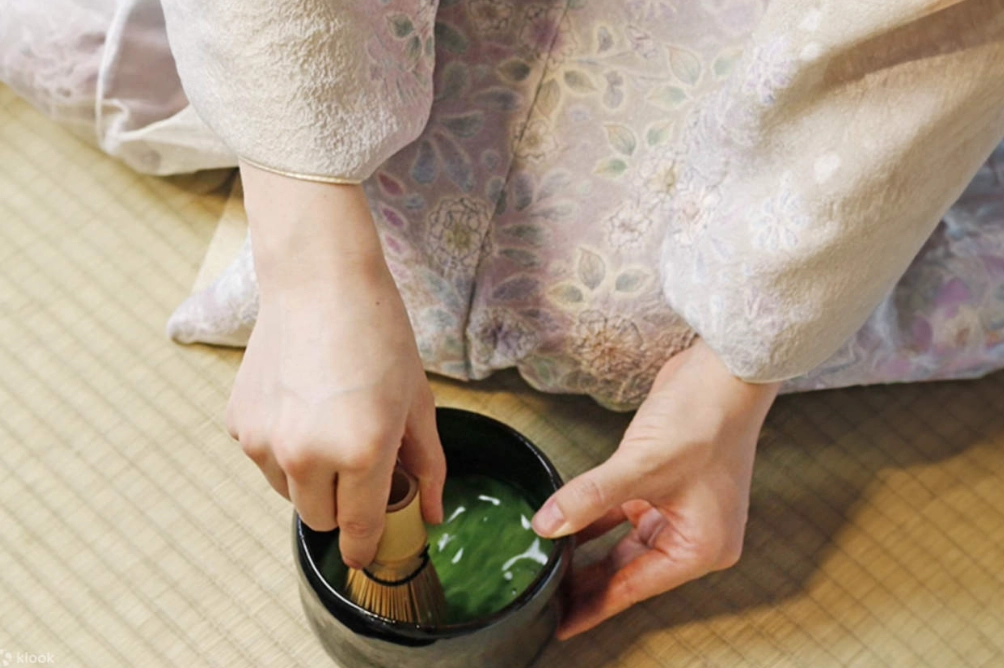
Your Tea Ceremony Questions Answered
 I don't like the bitter taste of matcha. Will I still enjoy the ceremony?