You spend a small fortune on skis, bindings, and boots. Then you thrash them on ice, rocks, and man-made snow for a whole season. What happens next defines your gear's future. Most people just lean them in a corner of the garage. Big mistake. Real ski equipment maintenance isn't about vanity; it's about performance, safety, and saving money. A poorly tuned ski makes you work harder, turns slower, and grips worse. It feels dead. I've seen people blame their skills or buy new skis when the real problem was a dull edge and bone-dry base. Let's fix that. This guide will show you what matters, what you can do at home, and when to hand it to a pro. It's the stuff they don't always tell you in the shop.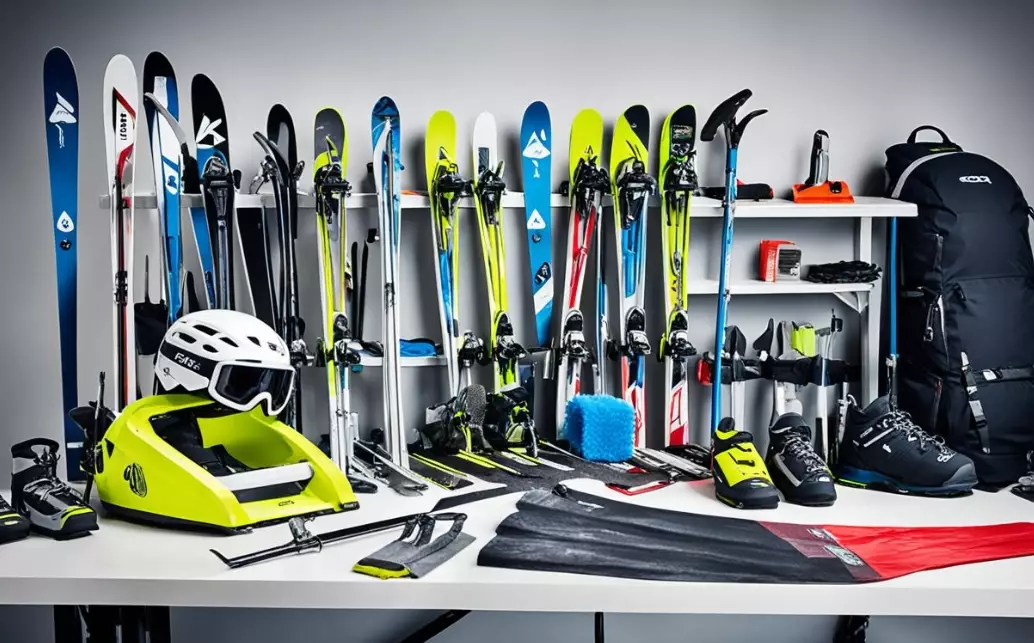
Your Quick Ski Tune-Up Guide
- Why Bother with Ski Maintenance? The Real Cost of Neglect
- The Essential Ski Maintenance Toolkit
- How to Tune Your Skis at Home: A Step-by-Step Guide
- The Art of Ski Waxing: More Than Just a Glide
- Off-Season Storage and Safe Transport
- What Are the Most Common Ski Maintenance Mistakes?
- When to Call in the Pros: Signs You Need a Professional Tune
Why Bother with Ski Maintenance? The Real Cost of Neglect
Think of maintenance as an investment, not a chore. Here's the breakdown. Sharp edges give you control on hardpack and ice. A freshly waxed base reduces friction, so you glide faster with less effort. It's free speed. Dry bases suck up moisture, get slow, and can even delaminate. I once left a pair of skis in a damp basement over summer. The edges rusted into a crusty mess. The repair bill was almost half the ski's value. Regular care prevents that. It also extends the life of your gear by years. The financial math is simple: a $50 tune-up twice a season versus a $700 replacement every few years. More importantly, predictable gear is safer gear. A ski that hooks or slips unexpectedly can lead to a fall you didn't see coming.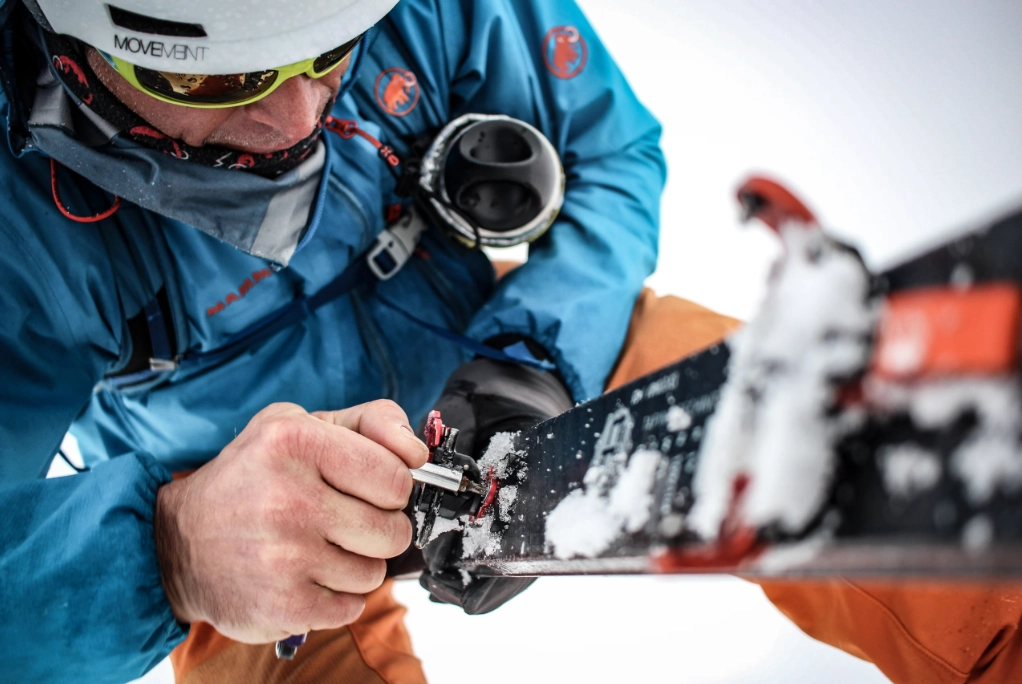
The Essential Ski Maintenance Toolkit
You don't need a workshop. Start with these basics. A proper ski vise is the foundation. The cheap ones that slide around are frustrating. Get one that clamps solidly to a workbench. Next, a diamond stone or file guide for edges. For waxing, a dedicated ski waxing iron is non-negotiable. A clothes iron has hotspots that can scorch your ski's base in seconds. I learned that the hard way. A plastic scraper and a set of nylon and horsehair brushes finish the job. Here's a starter list.
| Tool | Purpose | Priority |
|---|---|---|
| Ski Vise | Holds ski securely for tuning and waxing | Essential |
| Waxing Iron | Melts and spreads wax evenly (low-temp setting) | Essential |
| Diamond Stone (Medium Grit) | For deburring and light edge sharpening | High |
| Plastic Scraper | Removes excess wax after application | High |
| Nylon & Horsehair Brushes | Brushes wax into structure and polishes base | Medium |
| Base Cleaner / Citrus Degreaser | Removes old wax and dirt before new application | Medium |
| Gummy Stone | Smooths edge burrs and light rust without filing | Medium |
You can build from there. A file guide with different angle settings (like 88 or 90 degrees) is the next logical step for more precise edge work.
How to Tune Your Skis at Home: A Step-by-Step Guide
This is where people get nervous. Don't be. You're mostly maintaining, not rebuilding. Start with a clean, dry ski clamped in the vise.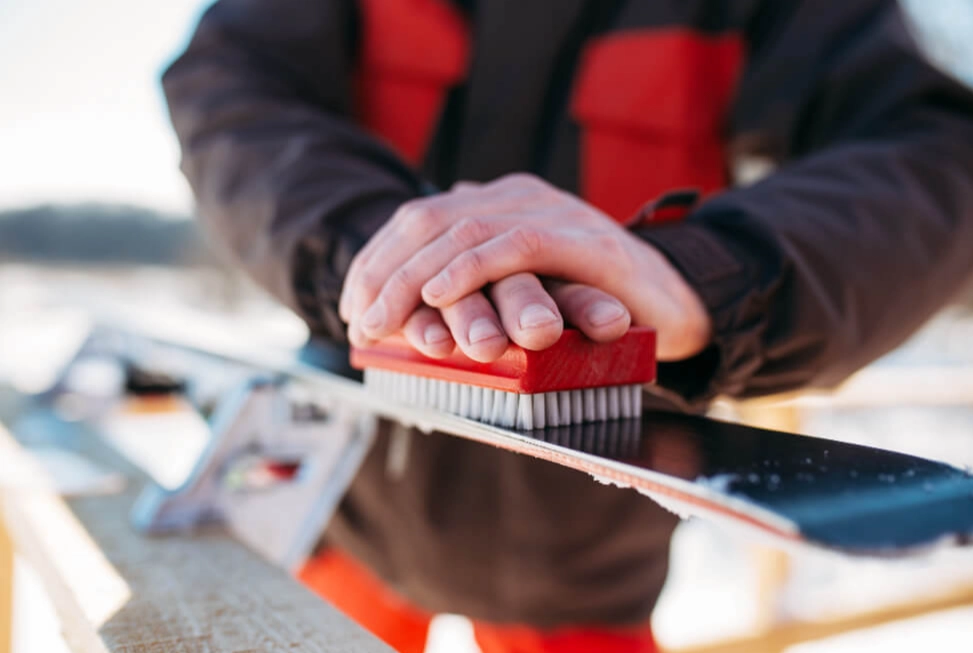
Step 1: Inspect and Clean
Run your fingers along the base and edges. Feel for burrs, nicks, or deep scratches. Look for dry, white spots on the base—a sign it needs wax. Use a base cleaner or isopropyl alcohol to wipe off all dirt and old wax. A clean surface is critical.
Step 2: Deburr and Sharpen the Edges
This is the most important step for grip. Take your diamond stone. Hold it flat against the base to lightly smooth the edge's top (the base edge). Then, hold it against the sidewall to work the side edge. Use consistent, light pressure from tip to tail. Don't saw back and forth. Five to ten passes per side is usually enough for maintenance. The goal is to remove the tiny burr or "wire edge" that forms, not to reshape the metal. A common mistake is over-filing. You're not trying to get a razor edge for racing; you want a consistent, clean edge that engages predictably.
Step 3: Check and Set the Base Bevel
This is the expert-level tip most guides gloss over. Your ski's edge isn't a perfect 90-degree angle. The bottom has a slight bevel, usually 1 degree, to prevent it from catching. If you constantly feel your skis are "hooky" or hard to release from a turn, the base bevel might be off. You need a special tool to adjust this. For most recreational skiers, simply maintaining the existing bevel with a file guide once a season is enough. If you're not sure, leave this to a professional tune.
The Art of Ski Waxing: More Than Just a Glide
Wax is your ski's lifeblood. It's not just for speed; it protects the porous base material from drying out and oxidizing. The type of wax matters less than the act of waxing itself. A universal all-temperature wax is perfect for 90% of skiers.
Drip the wax along the base from the iron, then spread it smoothly and quickly with the iron's base. You want a thin, even smoke, not thick globs. Let it cool completely—overnight is best. Then scrape aggressively until no more wax curls come off. This is key: the wax you ride on is in the base's pores, not on the surface. Finally, brush with a nylon brush tip-to-tail to expose the base structure. This creates a fast, water-shedding surface.
How often? After every 3-5 days on snow, or whenever the base looks dry and chalky. Before summer storage, give them a thick, protective coat of storage wax (often a softer, cheaper paraffin) and don't scrape it off until next season.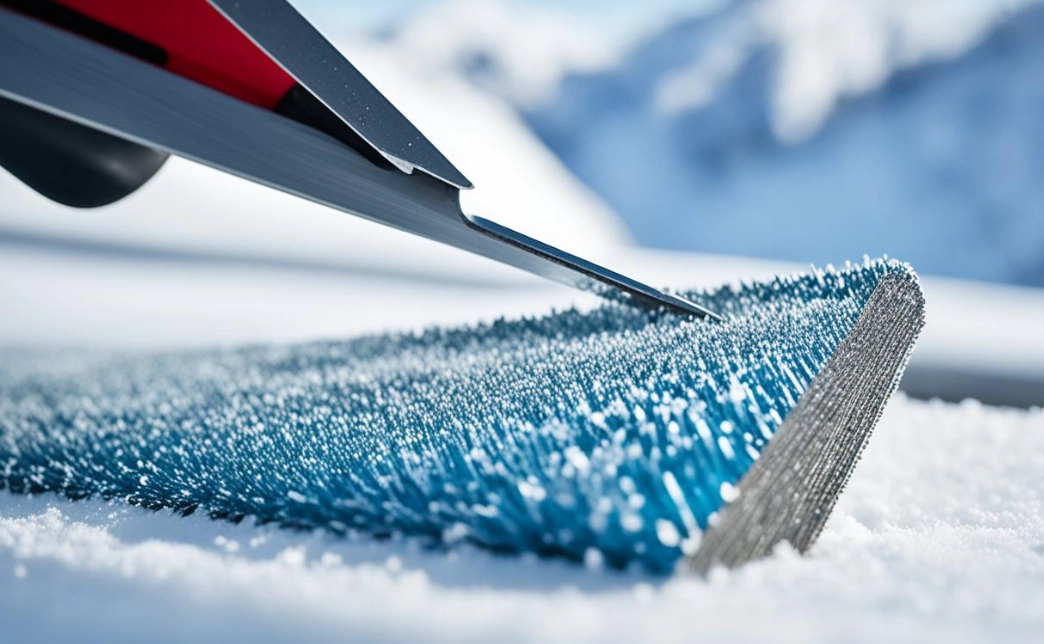
Off-Season Storage and Safe Transport
How you store skis matters more than you think.
- Clean & Wax: Always store them with a fresh coat of wax (unscraped) to saturate the base.
- Dry Them Out: Remove bindings if you can, or at least loosen the din settings to relieve spring tension. There's debate on this, but most techs I trust recommend it for long-term storage.
- Location: Keep them in a cool, dry place. Not a hot attic or damp basement. A closet under the stairs is ideal.
- Position: Store them flat or upright. Don't lean them heavily bent against a wall for months—it can cause camber fatigue.
For transport, use a ski bag. It's not just for airlines. Throwing skis loose in a truck bed or roof rack grinds dirt into the bases and dings edges. A simple sleeve bag is cheap protection.
What Are the Most Common Ski Maintenance Mistakes?
After tuning skis for a decade, you see patterns.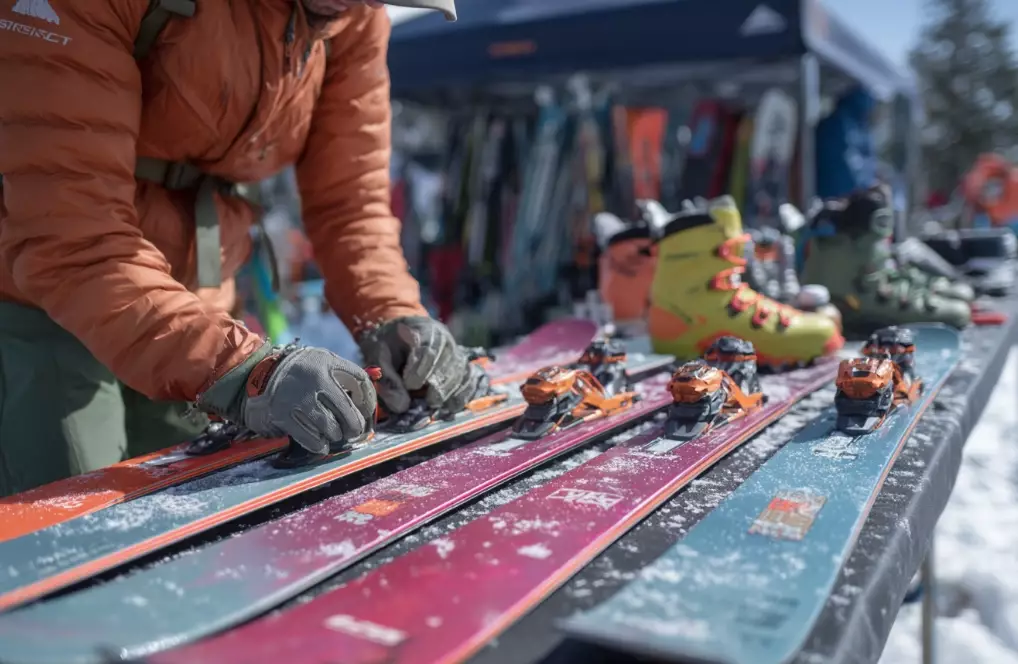
- Waxing over dirt: This just seals grime into the base. Always clean first.
- Using a file like a saw: You only file in one direction (tip to tail), with light pressure. Sawing ruins the file and the edge.
- Neglecting the ski's tips and tails: Most people focus on the underfoot area. But you turn on your shovels and finish on your tails. Those edges need love too.
- Storing skis with edges touching: They'll rust together. Use a separator or cloth between them.
- Thinking "more wax is better": A thick, unscraped wax layer is slow. It's like driving with the parking brake on.
When to Call in the Pros: Signs You Need a Professional Tune
DIY has limits. Take your skis to a reputable shop if you see:
- Deep base gouges that show a white core material.
- Major edge damage, like a large chunk missing or a severe bend.
- You need a base grind to restore the base structure—this requires a large, expensive machine.
- You're completely changing edge angles (e.g., going from a recreational 2-degree side bevel to a 3-degree racing bevel).
- Binding work. Always let a certified technician adjust or test bindings. It's a liability and safety issue.
A good shop tune should include a base grind, precise edge sharpening, and waxing. It's worth doing once a season, with light touch-ups at home in between.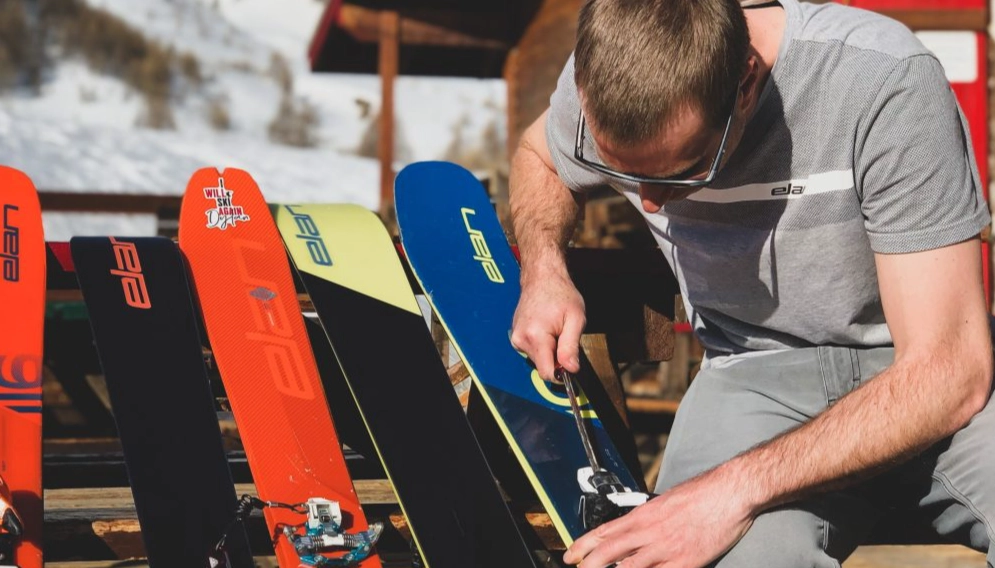
Your Ski Maintenance Questions Answered
Can I use WD-40 or another lubricant on my ski edges to prevent rust?
Never. WD-40 and similar products are petroleum-based and will contaminate your ski's base plastic, making it impossible for wax to properly adhere. It creates a hydrophobic layer that repels wax. For rust prevention, a light coat of wax on the edges after tuning or, in a pinch, a very light wipe with a silicone-free corrosion inhibitor like Boeshield T-9 is better. But wax is the best protector.
How do I know if my edges are too sharp or just right for my skiing?
If your skis feel "catchy" on flat snow or you struggle to skid a turn smoothly, the edges might be too sharp or have too much side bevel. For most all-mountain skiing, you want a slightly detuned edge in the tip and tail sections (the first and last 10-15 cm). Lightly run a gummy stone or even the hard plastic of a ski scraper along the very edge in these areas to take off the razor feel. The underfoot section should remain sharp for grip.
 Is it worth buying expensive fluorocarbon waxes?
For the vast majority of skiers, no. The performance gain is marginal and often only perceptible in very specific, cold snow conditions. High-fluoro waxes are also terrible for the environment, contaminating soil and water. The industry is moving away from them. A good hydrocarbon all-temp wax or a newer, eco-friendly high-performance wax will serve 99% of people perfectly and is easier to work with.
My skis have a lot of scratches on the base. Do I need to get them fixed immediately?
Not necessarily. Focus on depth, not quantity. Run your fingernail across the scratch. If it doesn't catch, it's a surface scratch that will be filled by wax. If your nail catches, it's a core shot that exposes the lighter-colored base material underneath the sintered surface. These should be repaired with a P-Tex candle or base weld to prevent moisture from delaminating the base. A shop can do this quickly and cheaply.
What's the one tool that made the biggest difference in your home tuning?
A good, bright LED work light on a flexible arm. You can't fix what you can't see. Shadows hide burrs, uneven wax spread, and tiny base imperfections. Lighting up the base and edge clearly showed me where I was missing spots and improved my consistency more than any fancy file or stone.