I remember sitting in a packed Tokyo izakaya, staring at a menu I couldn't read, while locals around me devoured dishes I'd never seen. That moment taught me something: an international cuisine guide isn't about fancy lists—it's your toolkit to avoid missing out on real food experiences. Most guides just tell you where to eat, but they skip the how. How do you order when you don't speak the language? How do you spot authenticity in a sea of tourist traps? After a decade of eating my way across 30 countries, I've learned that the best meals come from blending research with spontaneity. This guide cuts through the noise to give you actionable steps, hidden gems, and mistakes to avoid. Let's dive in.
What You'll Find in This Guide
What Makes a Great International Cuisine Guide?
Forget those glossy magazines that only feature Michelin-starred spots. A useful international cuisine guide focuses on accessibility and authenticity. It should answer three things: what to eat, where to find it, and how to experience it like a local. I've seen too many travelers rely on generic apps and end up at overpriced, watered-down versions of local food. The World Food Travel Association notes that authenticity is the top priority for culinary tourists, yet most resources fail to deliver. A good guide balances well-known icons with neighborhood joints, includes practical details like price ranges and hours, and warns you about common pitfalls. It's not just a list—it's a strategy.
How to Plan Your International Food Adventure
Start with research, but don't overdo it. I usually spend a week before a trip scanning food blogs, local news sites, and forums like Reddit's r/food. Look for dishes that locals actually eat daily, not just festival specials. Here's a step-by-step approach I swear by:
Step 1: Identify Your Food Goals. Are you after street food, fine dining, or market tours? Be specific. If you're heading to Mexico City, maybe you want to master taco varieties.
Step 2: Map Out Locations. Use Google Maps to save spots, but cross-reference with recent reviews. A place with 4.5 stars but only tourist photos might be a red flag.
Step 3: Budget Realistically. Food costs can sneak up on you. In cities like Paris, a casual bistro meal might run €25-40 per person, while street food in Bangkok is under $5. Always factor in snacks and drinks.
Step 4: Learn Key Phrases. Knowing how to say "I'd like to try the local specialty" or "What do you recommend?" in the local language can unlock hidden menus. In Japan, saying "omakase" (chef's choice) at a sushi bar shows respect.
Step 5: Stay Flexible. Some of my best finds came from chatting with vendors or following crowds after a failed reservation. Leave room for spontaneity.
Top 5 Cities for International Food Lovers
Based on my travels, here are five cities where international cuisine shines, with concrete details to help you plan. I've included a mix of iconic and under-the-radar spots.
| City | Must-Try Dish | Recommended Restaurant | Address & Hours | Price Range (per person) |
|---|---|---|---|---|
| Tokyo, Japan | Sushi (Nigiri) | Sushi Dai (Tsukiji Market) | 6 Chome-5-1 Tsukiji, Chuo City. Open 5:00 AM - 2:00 PM, closed Sundays. | ¥4,000 - ¥6,000 ($30-$45) |
| Paris, France | Croissant | Du Pain et des Idées | 34 Rue Yves Toudic, 10th arr. Open 6:30 AM - 8:00 PM, closed weekends. | €2 - €5 for pastries |
| Bangkok, Thailand | Pad Thai | Thip Samai | 313-315 Maha Chai Rd. Open 5:00 PM - 2:00 AM daily. | ฿100 - ฿200 ($3-$6) |
| Mexico City, Mexico | Tacos al Pastor | El Vilsito | Av. Universidad 1480, Narvarte. Open 1:00 PM - 5:00 AM, closed Mondays. | MXN $50 - $100 ($2.5-$5) |
| Istanbul, Turkey | Kebab | Dürümzade | Kemankeş Mah. Open 11:00 AM - 2:00 AM daily. | ₺50 - ₺100 ($3-$6) |
Tokyo's Sushi Dai is worth the predawn queue—it's a rite of passage. But here's a tip: go on a weekday to avoid the worst crowds. In Paris, skip the famous chains; Du Pain et des Idées uses traditional methods, and their croissants have a buttery crunch you won't forget. Bangkok's Thip Samai gets busy, but their pad Thai wrapped in egg is iconic. For Mexico City, El Vilsito transforms from a garage by day to a bustling taco spot at night—try the al pastor with pineapple. Istanbul's Dürümzade is no-frills, but their kebabs are juicy and cheap.
Why These Cities Work
Each city offers a dense food scene where you can explore multiple cuisines in a short time. Tokyo blends precision with tradition, Paris masters simplicity, Bangkok excels in street food, Mexico City balances spice and freshness, and Istanbul merges Middle Eastern and Mediterranean flavors. I've spent weeks in each, and the key is to wander beyond main streets. In Istanbul, for example, the back alleys near the Spice Bazaar have family-run spots serving better lahmacun than any tourist restaurant.
Common Mistakes and Expert Fixes
Everyone talks about what to do, but few mention the subtle errors that ruin meals. Here are three I see constantly, with fixes from my own blunders.
Mistake 1: Overbooking Fine Dining. I once planned three fancy dinners in a row in Rome and ended up too full to enjoy any. Fine dining is great, but it can be heavy and time-consuming. Mix it with casual eats. In Italy, have a long lunch at a trattoria, then grab pizza al taglio for dinner.
Mistake 2: Ignoring Local Meal Times. In Spain, showing up for dinner at 7 PM means empty restaurants—locals eat after 9 PM. Check typical hours. In Japan, many ramen shops close by 4 PM for a break. Adjust your schedule to avoid disappointment.
Mistake 3: Trusting Popular Ratings Blindly. A place with thousands of 5-star reviews might be a tourist factory. Look for reviews in the local language or from residents. In Paris, I found a bistro with mediocre English reviews but glowing French ones—it became my favorite.
Pro Tip: Use social media like Instagram, but search geotags in the local language. For example, in Tokyo, search "#東京グルメ" instead of "#TokyoFood" to find hidden gems.
Your Burning Questions Answered
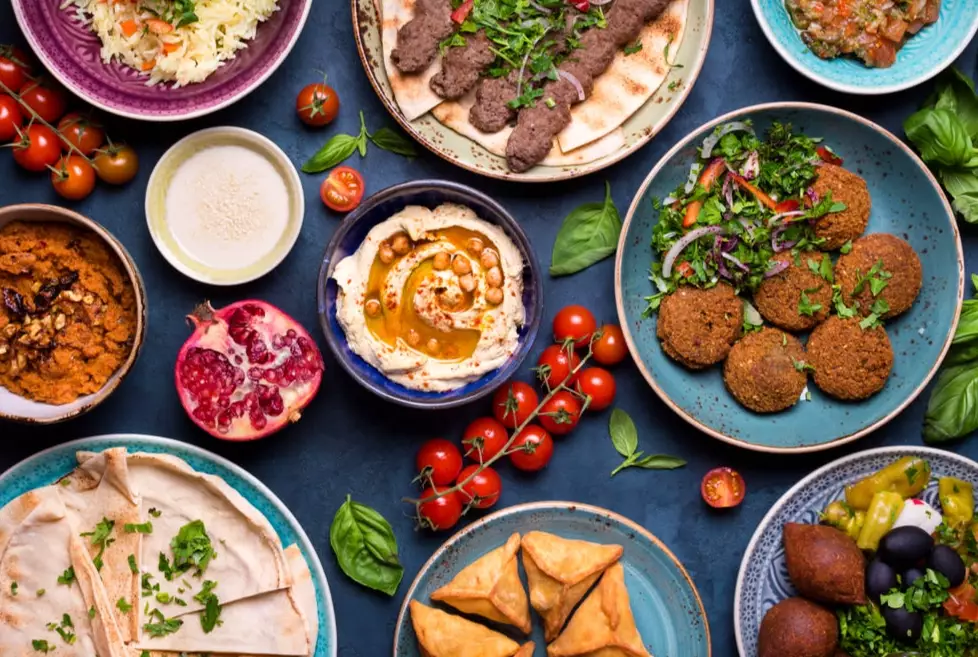 International cuisine guides are more than just lists—they're your bridge to cultural immersion. Start with a plan, stay open to surprises, and remember that the best meals often come from unexpected places. Whether you're saving up for a big trip or exploring locally, use this guide to eat smarter, not just more. Food is a journey, and with the right tools, you can make every bite count.