Jump Straight to What You Need
Let's get straight to it. Japanese onsens, or hot springs, aren't just about warm water—they're a cultural ritual that blends relaxation, health, and tradition. If you're thinking of visiting one, you probably have questions. How do you bathe properly? Where should you go? I've been soaking in onsens across Japan for over a decade, and I'll share everything from basic rules to insider secrets that most guides miss. We'll cover specific spots with addresses and prices, so you can plan your trip without guesswork.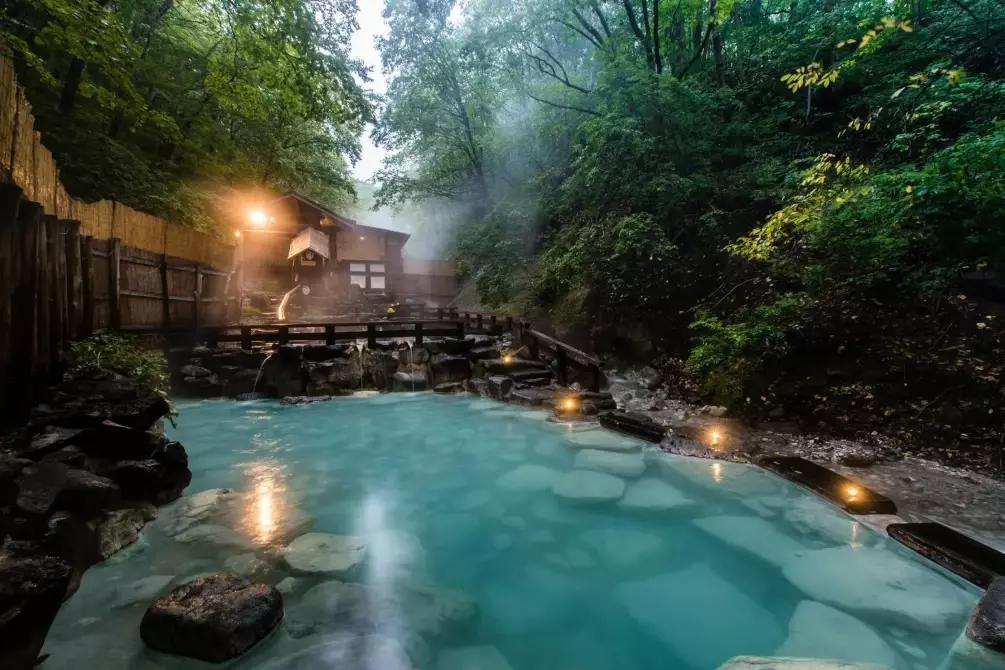
What Makes Japanese Onsens Unique?
First off, onsens are defined by law in Japan: the water must be naturally heated to at least 25°C and contain specific minerals. That's why not every "hot spring" is a true onsen. The minerals—like sulfur, sodium chloride, or iron—give each spring distinct properties. Sulfur springs, for example, smell like rotten eggs but are great for skin conditions. I once visited a carbonated spring in Beppu that tingled on the skin, something you won't find elsewhere.
Beyond chemistry, onsens are social hubs. Locals use them to unwind and chat, often daily. For travelers, it's a peek into Japanese life. But here's a nuance many miss: the water temperature varies wildly. Some baths are scalding hot (over 42°C), while others are lukewarm. If you're sensitive, test with your foot first—I learned that the hard way in a Hokkaido onsen that felt like boiling soup.
The Step-by-Step Onsen Etiquette Guide
Etiquette is the biggest hurdle for beginners. Get it wrong, and you might get stares. But it's simple once you know the steps. Here’s a breakdown based on my countless visits.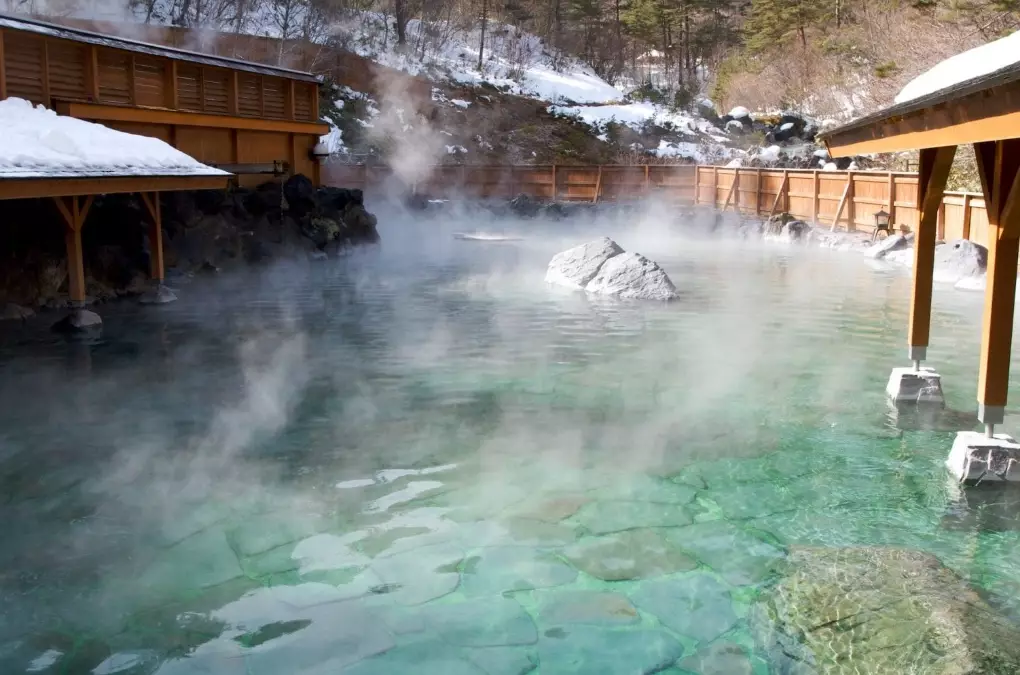
Before You Enter the Bath
Most onsens have separate sections for men (男湯) and women (女湯). Look for the curtains or signs. You'll pay an entry fee, typically 500 to 2,000 yen. At traditional places like Gero Onsen in Gifu, it's around 800 yen for adults. They might provide towels, but bring a small one for drying and a larger one for modesty when walking around.
Leave your shoes in the locker—this is non-negotiable. I saw a tourist once keep slippers on, and the staff politely but firmly stopped them. It's about keeping things clean.
Washing and Bathing: The Actual Process
- Undress completely in the changing room. No swimsuits allowed—this is a nude experience. It feels awkward at first, but everyone else is doing it, so you relax quickly.
- Take a shower before entering the bath. Use the provided stools, soap, and shampoo. Scrub thoroughly; the goal is to rinse off all dirt so the bath water stays pristine. I spent 10 minutes showering my first time, but 5 minutes is usually enough.
- Enter the bath slowly. Use your small towel to cover yourself if needed, but don't let it touch the water. Soak for 10-20 minutes. Hydrate by drinking water nearby.
- Exit and dry off before returning to the changing room. Don't drip water everywhere.
A common mistake? People rinse after bathing. Don't—the minerals on your skin are beneficial. Just pat dry.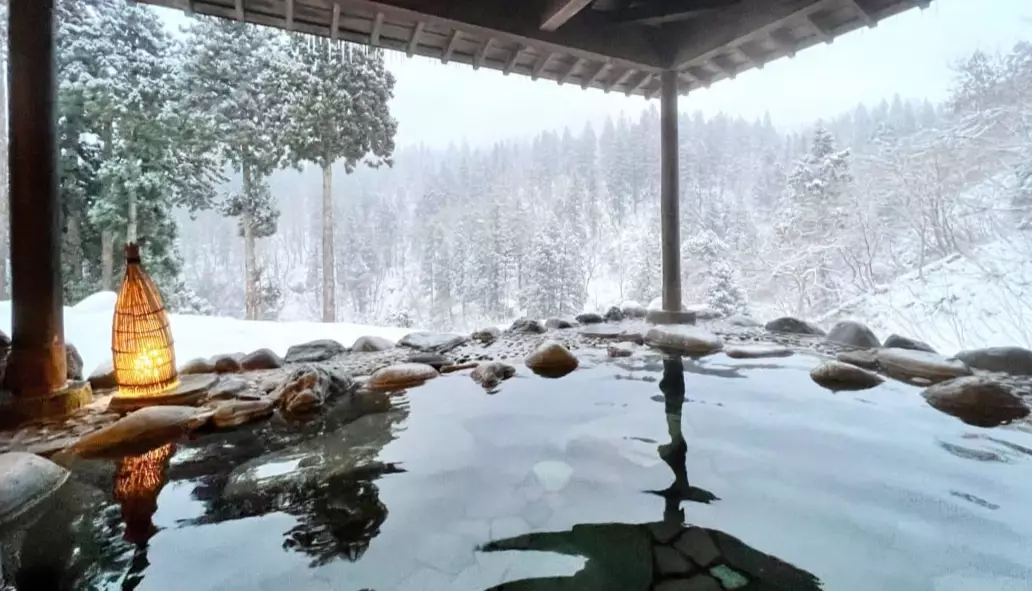
Top 5 Onsen Destinations in Japan
Choosing where to go can be overwhelming. Based on accessibility, uniqueness, and my personal favorites, here are five spots with concrete details.
| Destination | Location (Address) | Key Features | Approx. Cost (Adult) | Best Time to Visit |
|---|---|---|---|---|
| Kusatsu Onsen | Kusatsu, Agatsuma District, Gunma | Acidic sulfur springs, traditional "yumomi" water cooling show | 1,000 yen | Autumn for foliage |
| Beppu Onsen | Beppu City, Oita Prefecture | "Hell's Hot Springs" with colorful ponds, sand baths | 2,000 yen for multi-pass | Winter to contrast cold air |
| Hakone Onsen | Hakone, Kanagawa Prefecture | Views of Mount Fuji, variety of ryokan inns | 1,500 yen | Spring for cherry blossoms |
| Noboribetsu Onsen | Noboribetsu, Hokkaido | Volcanic valley, sulfur streams, bear park nearby | 800 yen | Summer for cool climate |
| Dogo Onsen | Matsuyama, Ehime Prefecture | Historic wooden building, inspired Studio Ghibli's "Spirited Away" | 1,200 yen for main bath | Year-round, but weekdays to avoid crowds |
Let me add a personal note: Beppu is touristy, but the sand baths where you're buried in warm sand are worth it. However, the sulfur smell in Kusatsu is intense—if you're sensitive, maybe skip it. For a first-timer, Hakone balances ease and experience, with direct trains from Tokyo.
Getting There: Quick Tips
- Kusatsu: Take the JR Limited Express from Tokyo to Naganohara-Kusatsuguchi (about 2.5 hours), then a bus.
- Beppu: Fly to Oita Airport or take a bullet train to Kokura, then a local train.
- Always check bus schedules; rural onsens have limited transport. I once missed the last bus in Noboribetsu and had to taxi—cost me 5,000 yen.
How to Plan Your Onsen Trip
Imagine you have a weekend. Here's a sample itinerary for Hakone, assuming you start from Tokyo.
Day 1: Arrive at Hakone-Yumoto Station (1.5 hours by train from Shinjuku). Visit Tenzen Onsen (address: 256-1 Sengokuhara, Hakone) for a day bath—cost is 1,800 yen, open 10 AM to 9 PM. Stay at a ryokan like Gora Kadan, which includes private onsen access. Book months ahead; these places fill fast.
Day 2: Take the Hakone Ropeway to Owakudani volcanic area, then soak at Hakone Kowakien Yunessun (address: 1297 Ninotaira, Hakone), a quirky spot with wine baths. Entry is 2,900 yen, open 9 AM to 7 PM. It's kitschy but fun for families.
Budget-wise, expect 10,000 to 30,000 yen per day including accommodation, meals, and baths. Ryokans are pricey but offer kaiseki meals—worth it for the full experience.
Common Onsen Mistakes to Avoid
Even seasoned travelers slip up. Here are subtle errors I've seen.
Mistake 1: Bathing after drinking alcohol. It's tempting, but onsens and sake don't mix well—the heat can cause dizziness. I felt lightheaded once after a beer, and it ruined the relaxation.
Mistake 2: Assuming tattoos are allowed. Many onsens ban tattoos due to associations with yakuza. Check policies online beforehand. Some places like Beppu's Kannawa area are more lenient, but always ask.
Mistake 3: Rushing the soak. People dip in for five minutes and leave. The real benefit comes from slow, repeated soaking. Try 10 minutes in, 5 minutes out, then back in. It improves circulation.
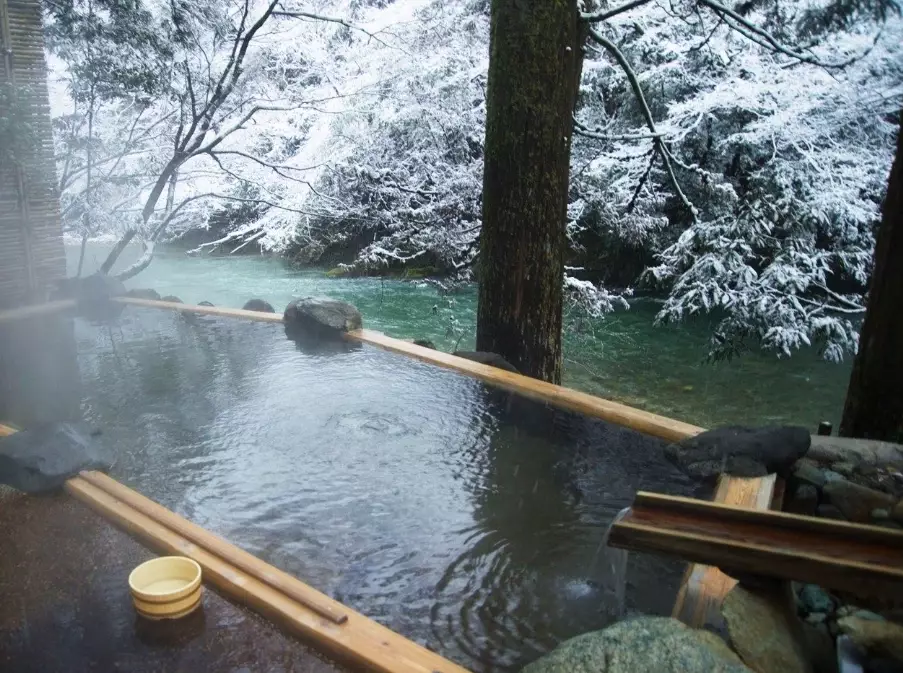
Mistake 4: Ignoring the outdoor baths (rotenburo). These are the best part, especially in snow or rain. But don't forget to dry off before stepping outside—you'll freeze.
Your Burning Onsen Questions Answered
 That wraps it up. Japanese onsens are a journey into relaxation and culture. Start with a well-known spot, follow the etiquette, and don't overthink it. The warmth—both in water and hospitality—will stay with you long after you leave.