Let's be honest. My first few loaves were disasters. One resembled a pale brick, another had the density of a neutron star, and a third just never rose, sitting in the bowl like a sad, damp pancake. I almost gave up. But then something clicked. It wasn't about following a recipe perfectly; it was about understanding the why behind each step. Baking bread at home isn't just about the final product (though a warm, crusty loaf is magical). It's about the process, the quiet focus, and the unbelievable satisfaction of turning flour, water, yeast, and salt into something alive and delicious. It's completely doable, and I'm here to walk you through it, mistakes and all.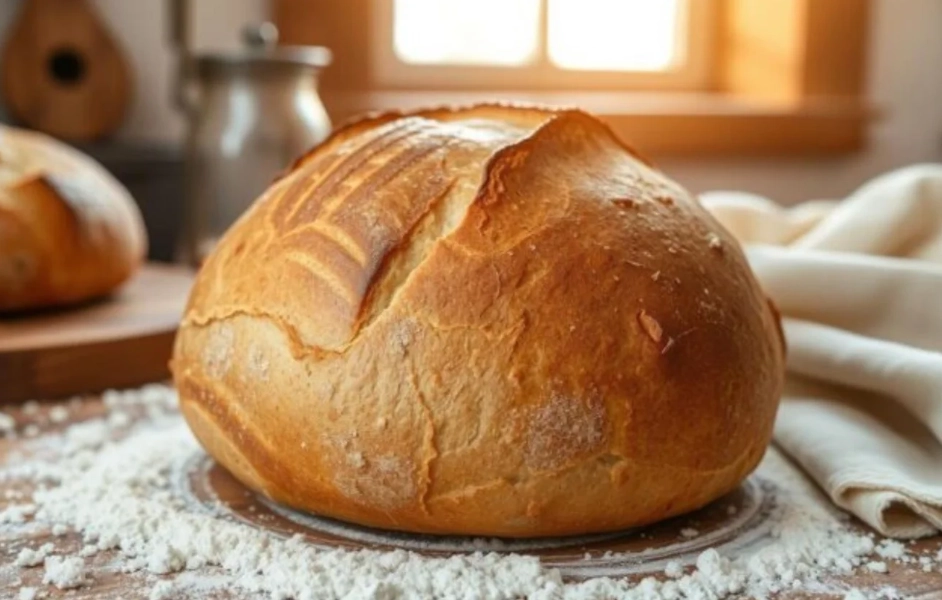
What's Inside This Guide
Gathering Your Arsenal: Tools You Actually Need
You don't need a kitchen full of fancy gear. I made that mistake, buying gadgets that now collect dust. Here's the real list of what gets used every single time.
| Tool | Why You Need It | Budget-Friendly Alternative |
|---|---|---|
| Digital Kitchen Scale | This is non-negotiable for me. Flour compacts in cups, leading to inconsistent results. Grams are precise. A good scale costs less than two fancy coffees. | Measuring cups, but be gentle. Fluff your flour, spoon it in, and level it off. Expect slight variations. |
| Large Mixing Bowl | You need space for the dough to rise. A 4 to 6-quart bowl is perfect. | Any large, clean pot or container. |
| Bench Scraper | It's your dough-handling multi-tool: dividing, scraping the counter clean, helping with shaping. A plastic one is fine. | A large, flexible spatula. |
| Razor Blade or Lame | A sharp knife drags and deflates dough. A razor gives you those clean, professional "scores" that let the bread expand in the oven. | Very, very sharp serrated knife. |
| Dutch Oven | It traps steam, creating a crispy, blistered crust that's hard to achieve on a bare rack. The single biggest upgrade for crust quality. | A heavy baking sheet with a metal bowl or roasting pan inverted over the loaf to trap steam for the first 20 minutes. |
What you don't need right away: a stand mixer (hand-kneading is therapeutic and informative), a bread machine, or a fancy proofing box. Your oven with the light on works just fine.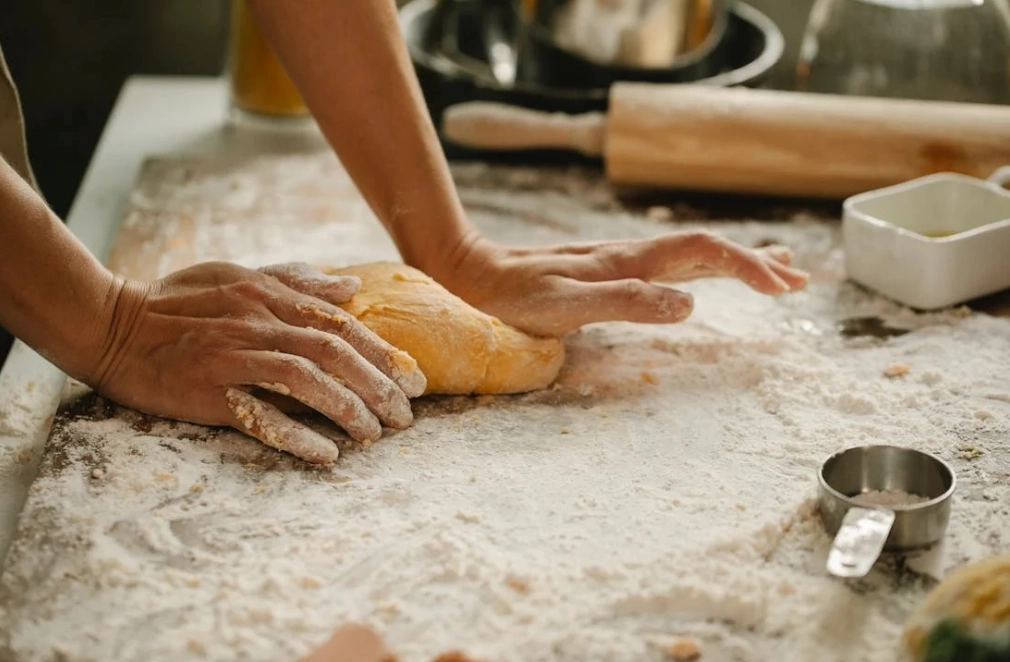
Flour Power: How to Choose Your Flour
This is where most beginners get tripped up. All-purpose flour? Bread flour? What's the difference? It boils down to protein content.
- Bread Flour (12-14% protein): More protein means more gluten, which means more structure and a taller, chewier loaf. This is my go-to for most yeasted breads. King Arthur is a reliable, widely available brand.
- All-Purpose Flour (10-12% protein): A good all-rounder. It'll make decent bread, but your loaf might be a bit more tender and less lofty. Perfect for softer sandwich bread or if it's all you have.
- Whole Wheat Flour: Adds flavor and nutrition but absorbs more water and can make bread denser. I rarely use 100% whole wheat. Start by substituting 1/3 of your white flour with whole wheat.
A pro tip from the Wheat Foods Council: store your flour in an airtight container in a cool, dark place. It can go rancid.
My Non-Consensus View: Don't stress about water temperature with a digital thermometer unless your kitchen is extreme. Yeast is more resilient than you think. If the water feels warm but not hot on your wrist (around 105°F/40°C), it's fine. I've used slightly cooler water many times—it just means a slower, often more flavorful rise.
The Two Core Methods: Kneaded vs. No-Knead
You'll see two main philosophies. One is active and hands-on, the other is passive and time-based. Both work brilliantly.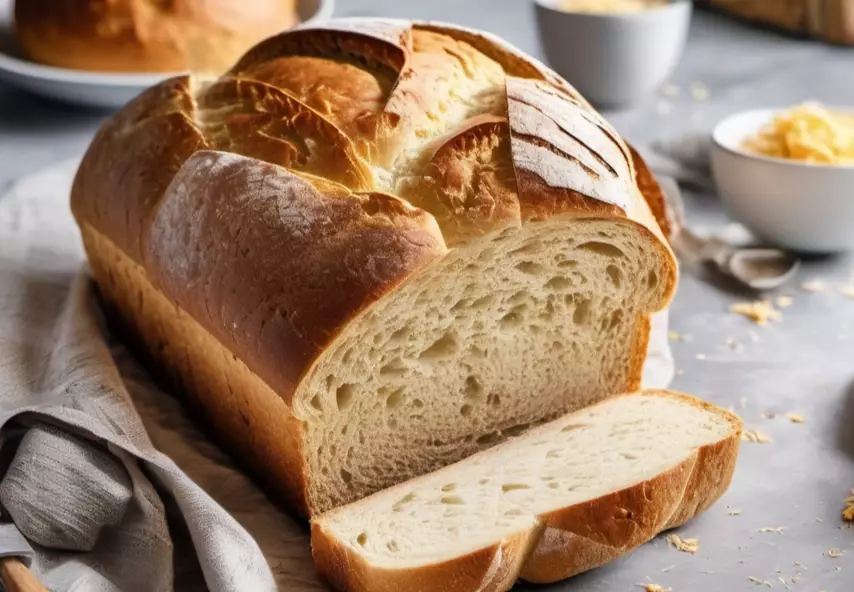
The Traditional Kneaded Loaf
This is the classic technique. You develop gluten through physical work. It's satisfying and gives you direct feedback on the dough's texture.
Basic White Bread Recipe (Makes 1 loaf):
- 500g bread flour
- 360g warm water (about 72% hydration)
- 10g fine sea salt
- 7g active dry yeast (one standard packet)
The Process:
1. Mix: Combine flour, yeast, and salt in a bowl. Add water and mix until a shaggy dough forms.
2. Knead (10-15 mins): Turn onto a lightly floured surface. Push the dough away with the heel of your hand, fold it back, turn 90 degrees, repeat. You're looking for the "windowpane test": stretch a small piece thinly. If you can see light through it without it tearing, you're done. This is the feel you're learning.
3. First Rise (Bulk Fermentation): Place dough in an oiled bowl, cover, and let rise until doubled (1-2 hours).
4. Shape: Gently deflate, shape into a tight ball or oval. This creates surface tension for a good oven spring.
5. Second Rise (Proofing): Place seam-side down on parchment, cover, let rise again (45-60 mins).
6. Bake: Preheat your Dutch oven at 450°F (230°C) for 30 mins. Score your loaf, drop it in (parchment and all), cover, bake 30 mins. Uncover, bake 15-20 more mins until deep golden brown.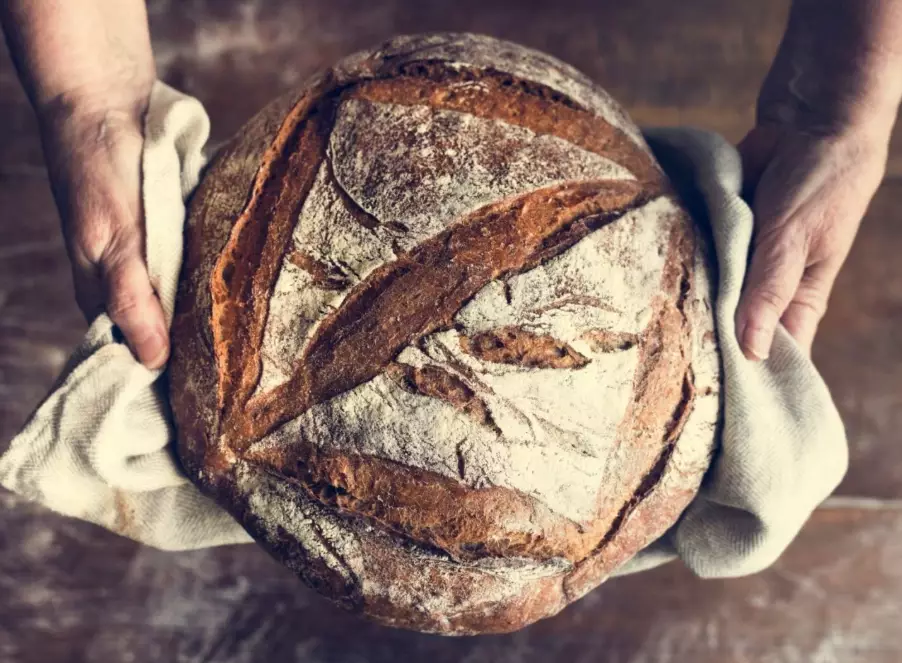
The No-Knead Method
Popularized by Jim Lahey, this uses a very wet dough and a long, slow fermentation (12-18 hours) to develop gluten and flavor with zero effort. It's foolproof and produces an incredible, open crumb and crackly crust.
The recipe is almost identical to the one above, but you use a bit more water (400g) and combine everything with a spoon. No kneading. Just cover the bowl and leave it on the counter overnight. The next day, you do a quick fold, let it rest, then bake. The long wait does all the work.
Which is better? The no-knead bread often has more complex flavor. The traditional method is faster and gives you more control over the final shape. I use both, depending on my day.
The Most Common Unspoken Mistake: Over-flouring your work surface during shaping. You fight a sticky dough by adding more flour, which then gets worked in, making the loaf dry and dense. Instead, wet your hands or use a bench scraper. A little stickiness is okay.
Troubleshooting Common Bread Baking Fails
Your bread didn't turn out? Let's diagnose it. This is the stuff recipe cards never tell you.
Dense, Gummy Crumb: Under-proofed. The yeast didn't have enough time to create air pockets. Your kitchen might be cooler than you think. Let it rise longer next time. Poke the dough gently; if the indentation springs back quickly, it needs more time.
Bread Spreads Flat, Doesn't Rise Up: Over-proofed or weak gluten structure. The dough ran out of gas. Could be over-kneaded (rare) or, more likely, under-kneaded/no surface tension during shaping. Shape it tighter.
Pale, Soft Crust: Missing steam. The initial burst of steam is crucial for oven spring and crust formation. That's why the Dutch oven or steam pan method is key.
Large, Tunneling Holes at the Top: Under-kneaded. The gluten network wasn't strong enough to hold the gas evenly.
Yeasty or Sour Alcohol Smell: Over-proofed. The yeast has eaten all the sugars and is producing excess alcohol. Shorten your rise time or lower the temperature.
Your Bread Baking Questions Answered
 The journey of baking bread at home is a series of small lessons. Each loaf teaches you something—about your flour, your kitchen's climate, your own patience. Don't aim for Instagram perfection on the first try. Aim for something edible, then something good, then something great. The mistakes are where the real learning happens. Now, go preheat that oven.