Let's be honest. The idea of RV camping can be intimidating. You see these massive vehicles on the highway and think, "I could never drive that." You imagine complicated hookups, mysterious tanks, and the potential for disaster in a remote campground. I felt the same way before my first trip over a decade ago. I rented a small Class C, spent hours over-preparing, and still made a bunch of silly mistakes (like not checking the campground's low-hanging branch situation—more on that later). But here's the truth: RV camping is one of the most accessible and rewarding ways to explore. It's not about being a master mechanic or a wilderness survival expert. It's about understanding a few key basics that transform anxiety into anticipation.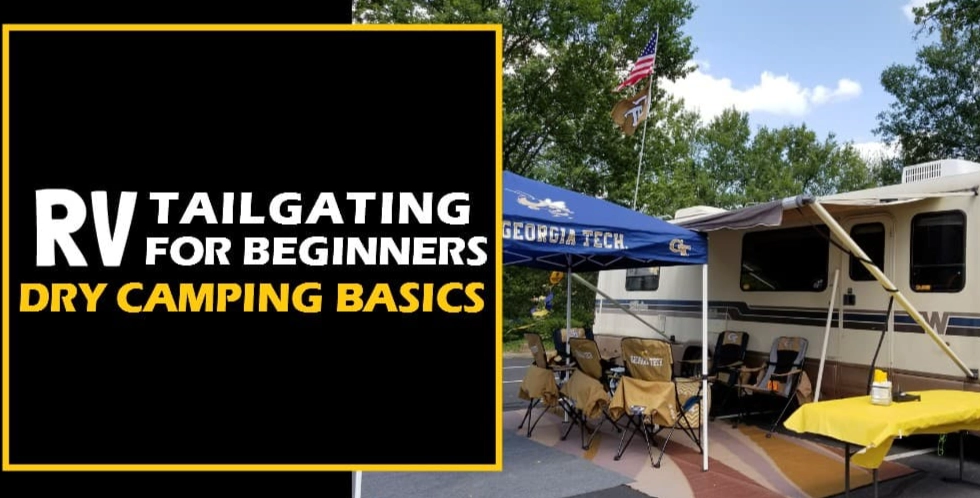
Your Quick Jump to RV Camping Know-How
What is RV Camping, Really?
At its core, RV camping is travel and accommodation rolled into one. Your vehicle is your transportation and your hotel room. This is the fundamental shift in thinking. You're not just driving to a place; you're bringing a piece of your comfort zone with you. The "basics" everyone talks about are simply the skills and knowledge needed to keep that mobile comfort zone functioning: powering it, watering it, dealing with its waste, and parking it without incident.
The biggest misconception? That it's just "car camping but bigger." The systems involved—propane, 12-volt DC battery power, 120-volt AC shore power, fresh water, grey water (sink/shower runoff), and black water (toilet waste)—require a specific approach. Understanding these systems is your first real step.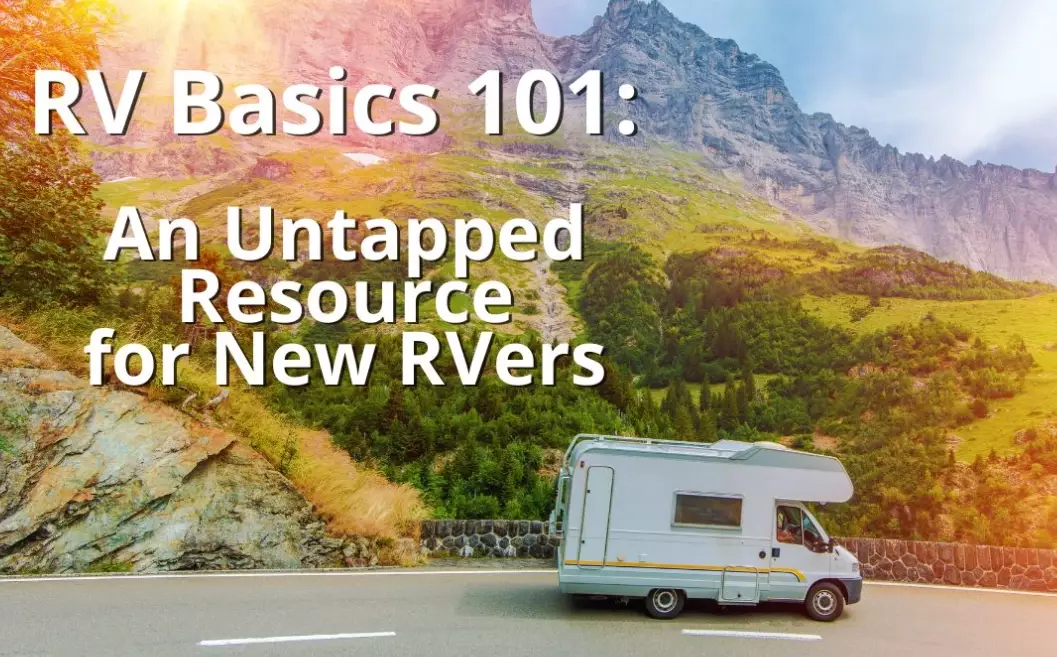
Types of RVs: From Towables to Motorhomes
Choosing your rig is the first major decision. It's not about the "best" RV, but the best RV for you. Let's break down the two main families.
Towable RVs (You Need a Tow Vehicle)
These are trailers you pull behind a truck or SUV. The big advantage? You can unhitch and use your vehicle to explore locally.
- Travel Trailers: The most common. They come in all sizes, from tiny "teardrops" to spacious 35-foot models. They connect via a standard hitch ball. Great for flexibility, but you need a vehicle rated to tow the weight.
- Fifth-Wheel Trailers: These have a raised front that sits in the bed of a pickup truck, connected by a special hitch. They offer more living space and often feel more stable to tow, but you're committed to using a truck.
- Pop-Up Campers (Tent Trailers): Lightweight and affordable. The walls fold out, creating more space. They're a fantastic hybrid between tent camping and hard-sided RVing, but offer less insulation and security.
Motorized RVs (The Vehicle is the Home)
Everything is integrated. You drive the house. The trade-off is that when you're parked, you're stuck unless you tow a small car behind or use bikes/rideshares.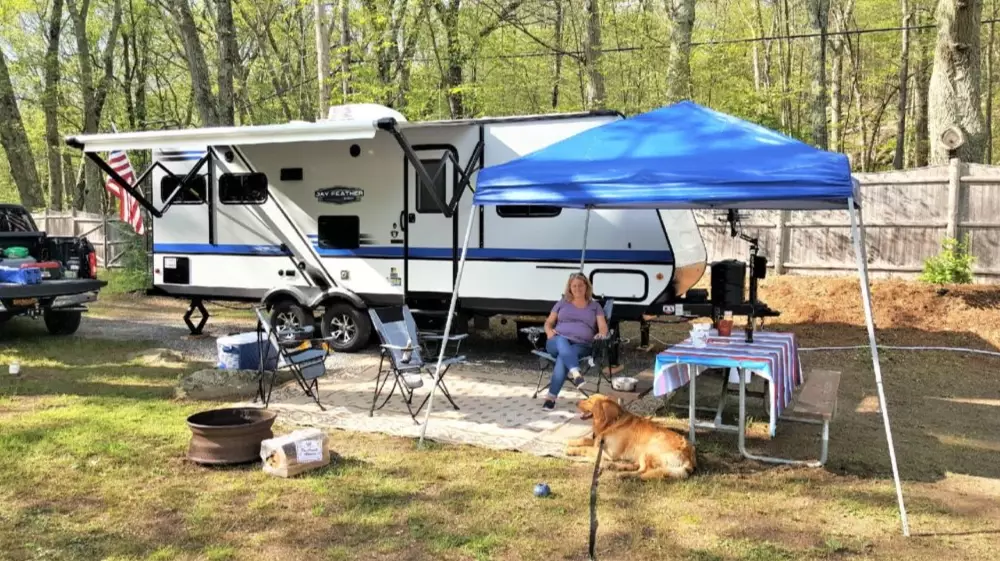
- Class A Motorhomes: The big bus-style coaches. They're spacious, often luxurious, and can be intimidating to drive. Fuel costs are significant.
- Built on a van chassis. They're agile, easy to drive, and can often park in regular spots. The downside is very limited space—it's a cozy lifestyle.
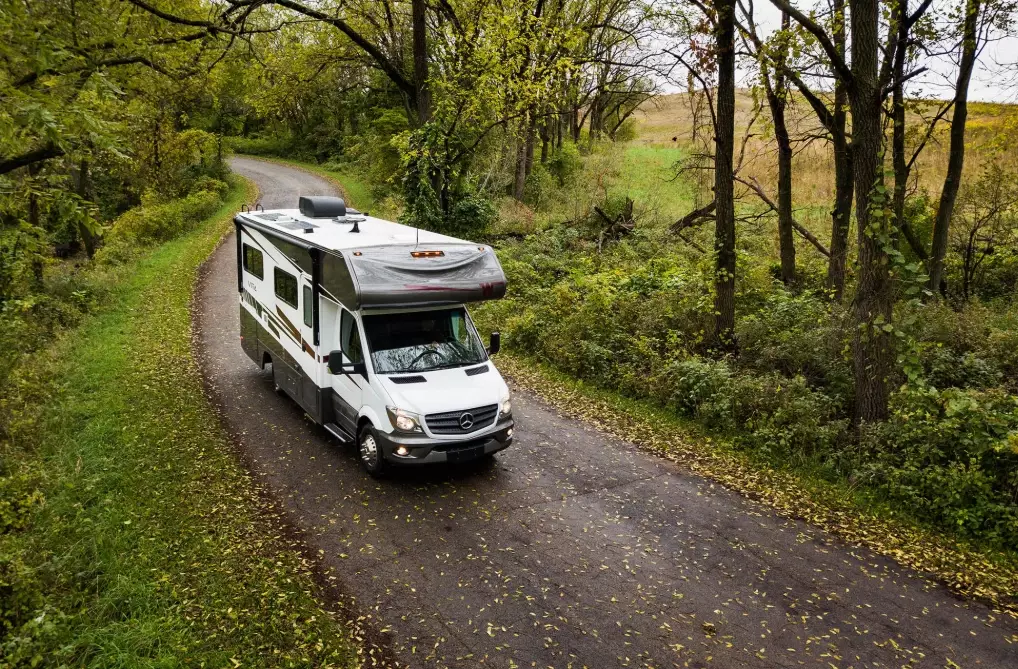
- The classic RV shape, built on a cutaway truck or van chassis with an attached cab-over section (usually a bed). They strike a balance between drivability and living space. This is what I often recommend for first-timers looking to rent.
My First-Rent Recommendation: Start with a smaller Class C (like a 24-footer) or a midsize travel trailer. They're manageable to drive/tow, have most amenities you need to learn on, and won't break the bank on a rental. Avoid jumping straight into a 40-foot diesel pusher—it's like learning to swim by jumping into the deep end during a storm.
The Non-Negotiable RV Camping Gear List
Your RV might come with basics, but these are the items you must have or check for. Don't assume anything is included when renting.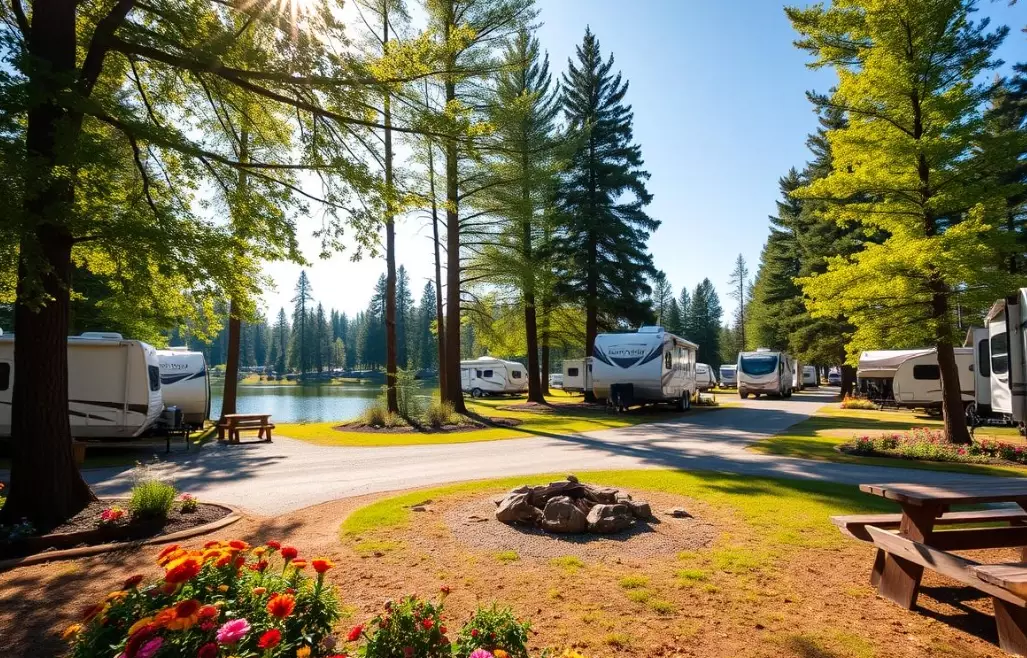
| Category | Essential Items | Why You Need It & Pro Tip |
|---|---|---|
| Utility & Hookup | Fresh water hose (drinking water safe), sewer hose with fittings, 30/50-amp power cord, leveling blocks, wheel chocks, heavy-duty gloves (for sewer duty). | The RV store hoses are often cheap and short. Get a 25ft white drinking hose and a separate, clearly marked hose for rinsing only. Never use a green garden hose for your fresh water tank. |
| Safety & Tools | Basic tool kit, tire pressure gauge (for your vehicle AND RV tires), flashlights/headlamps, fire extinguisher, first-aid kit, emergency roadside kit. | Under-inflated tires are a top cause of RV blowouts. Check pressures when the tires are cold (before driving in the morning). Most RVs require much higher PSI than your car. |
| Comfort & Convenience | Outdoor rug/mat, comfortable camp chairs, a small table, LED lantern or string lights, command hooks/strips (for hanging things without damaging walls). | An outdoor rug is a game-changer. It keeps dirt out of the RV and defines your "patio" space. Command strips let you hang towels, keys, or a paper towel roll anywhere—a lifesaver in a rental. |
| Kitchen & Living | Collapsible dishes/containers (saves space), a good can opener, basic spices, trash bags, biodegradable soap, paper towels, a small broom/dustpan. | RV sinks are tiny. Use a wash basin placed in the sink for dishes. It catches food scraps (so they don't clog the grey tank) and saves a ton of water. |
How to Plan Your First RV Camping Trip
Planning is 80% of the success of your first trip. Here’s a realistic framework.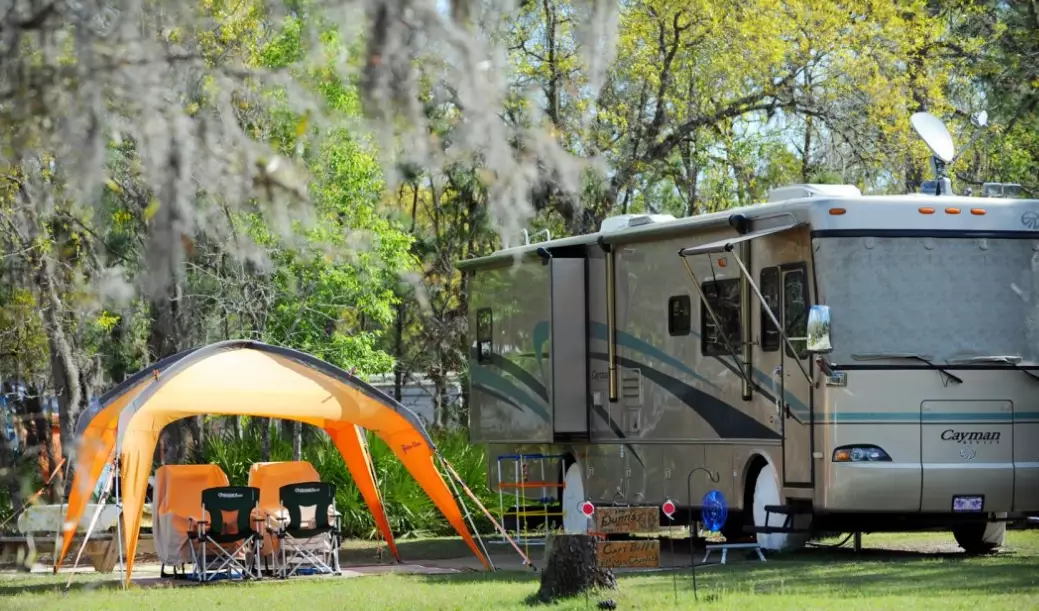
1. Pick Your Route and Campground Wisely
For trip one, think "close and easy." Choose a destination within 2-3 hours drive. This leaves you energy for setup. Use sites like Recreation.gov for federal parks (National Parks, Forests, BLM land) or ReserveAmerica for state parks. I also cross-reference with Campendium or The Dyrt for user reviews and photos.
Campground Selection Tip: Look for phrases like "pull-through site" (easier than back-in), "full hookups" (water, sewer, electric at your site), and check the maximum RV length rating. Book a site rated for an RV longer than yours to ensure you fit comfortably.
Example: For a first trip near Southern California, I'd pick a site at Dos Picos County Park near San Diego. It's close to the city, has large, easy pull-through sites with full hookups, and the reservation system shows clear photos of each site.
2. Master the Pre-Trip Walkthrough
If you're renting, the walkthrough is critical. Don't just nod along. Ask the renter or dealer to show you everything.
- Must-Do: Have them demonstrate how to light the propane water heater and fridge. Film it on your phone.
- Must-Check: Operate the slide-out (if it has one) yourself. Test all the lights, faucets, and the toilet flush.
- Must-Ask: "Where is the main water pump switch?" "How do I reset the GFCI outlet?" "What's the tire pressure supposed to be?"
3. Plan Simple Meals
Don't try to cook a five-course meal. Plan one-pan dishes, pre-marinate meats at home, and embrace the simplicity. The first night, have a foolproof meal ready—like pre-made sandwiches or a simple pasta. You'll be tired from travel and setup.
Step-by-Step Campsite Setup & Breakdown
This is the ritual. Follow an order to avoid mistakes.
Arrival and Setup Order:
- Park & Level: Pull into your spot. Put the RV in park, set the emergency brake. Place wheel chocks immediately. Use leveling blocks under the tires until the floor feels level side-to-side and front-to-back (a simple bubble level on the floor works). A level RV is crucial for fridge operation.
- Power Up: Connect your shore power cord. Ensure the campground pedestal breaker is OFF before plugging in. Then turn it on.
- Water Connection: Connect your fresh water hose to the campground supply. Turn on the water spigot slowly. Check for leaks at both ends. Pro Tip: Always use a water pressure regulator ($10-$20) between the spigot and your hose. Campground water pressure can spike and damage your RV's plumbing.
- Sewer Setup (if needed): Put on your gloves. Connect your sewer hose to the RV outlet and the campground sewer inlet. Keep the black tank valve CLOSED until it's at least 2/3 full. This lets solid waste liquefy and drain properly.
- Final Touches: Put out your awning (check for wind!), lay out the rug and chairs. Now you're home.
Breakdown and Departure Order:
- Stow all loose items inside. Secure cabinets.
- Retract the awning.
- Disconnect the sewer hose (empty black tank first, then grey to flush the hose). Rinse and stow in a sealed container.
- Disconnect the fresh water hose and drain it.
- Unplug the power cord and stow it.
- Retract slide-outs (do a visual walk-around to ensure nothing is in the way).
- Remove wheel chocks and leveling blocks. Do a final walk-around, checking for low branches, picnic tables, or fire pits you might have forgotten about.
RV Safety and Etiquette You Can't Ignore
This is the unspoken rulebook.
- Carbon Monoxide is Silent: Never, ever run a generator or your vehicle's engine while sleeping or with windows closed near the RV. Have a working CO detector.
- Propane Safety: Smell propane? Shut off the main valve at the tank immediately. Don't turn on electrical switches. Get out and ventilate.
- Campground Courtesy: Keep noise down after 10 PM. Respect your neighbor's space—don't cut through their site. Keep your outdoor lights pointed down, not into others' windows. Pick up after your pet, always.
- Leave No Trace: For RVs, this especially means managing all your waste properly. Dump only at designated dump stations.
Your Burning RV Camping Questions, Answered
 The world of RV camping is vast, but you don't need to know it all to start. You just need these basics. Get the right gear, plan a simple trip, follow the setup steps, and respect the safety rules. The rest—the crackle of the campfire, the coffee with a mountain view, the freedom of the open road—that's the easy part. Now go make your first reservation.