Osaka isn't just another city in Japan—it's a food lover's playground where every corner smells like takoyaki and sizzling okonomiyaki. I've spent years eating my way through its streets, and let me tell you, most guides miss the mark by sticking to tourist spots. If you're here to truly explore Osaka's food scene, you need to think like a local. Skip the overpriced places in Dotonbori with hour-long queues. Instead, dive into hidden izakayas and markets where the real magic happens. This guide cuts through the noise to give you actionable tips, specific addresses, and a few secrets I've picked up along the way.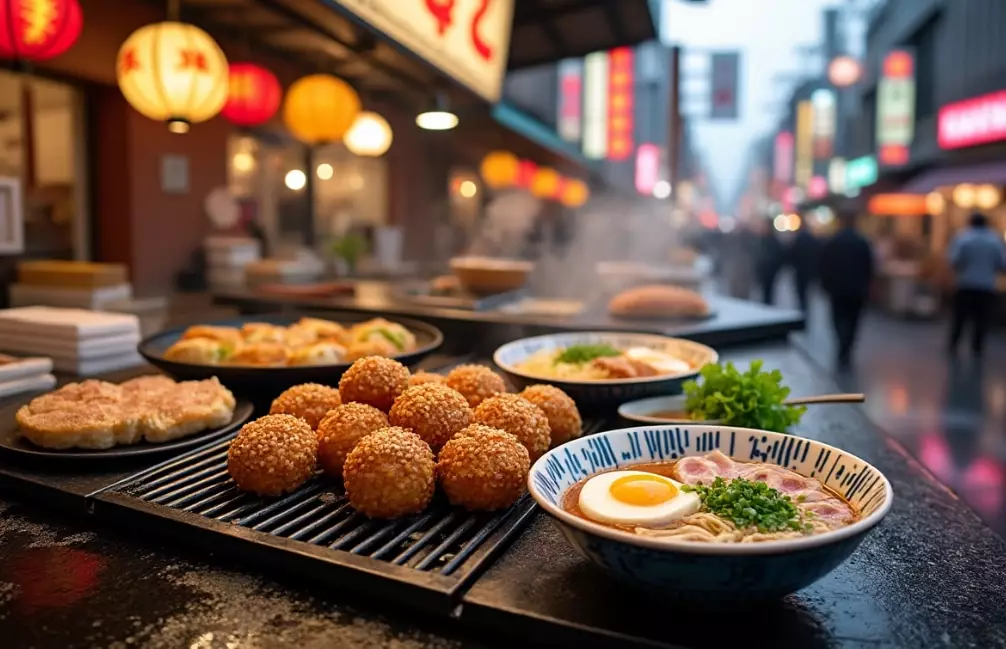
Your Osaka Food Journey at a Glance
Why Osaka is Called Japan's Kitchen
Locals call Osaka "tenka no daidokoro"—the nation's kitchen. It's not just about quantity; it's about attitude. Food here is casual, hearty, and meant to be enjoyed with friends. Unlike Tokyo's refined sushi bars, Osaka's vibe is all about street stalls and communal tables. The city's history as a merchant hub means flavors are bold and prices are often reasonable. But here's a non-consensus view: many tourists assume Osaka is cheap, but some spots in popular areas can be rip-offs. I once paid ¥1,500 for mediocre takoyaki near the Glico Man sign. Lesson learned: venture a few blocks away.
Must-Try Dishes in Osaka: A Deep Dive
Don't just eat; understand what you're tasting. These three dishes define Osaka's food scene, but each has nuances most miss.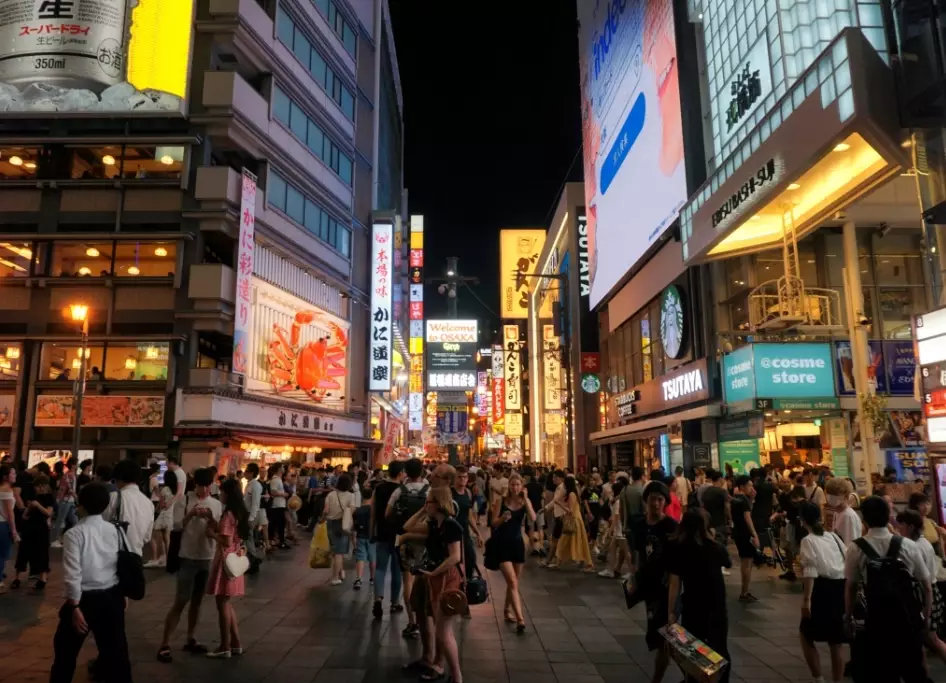
Takoyaki: The Iconic Street Food
Those ball-shaped snacks? They're takoyaki—batter filled with diced octopus, tempura scraps, and green onion. The key is the texture: crispy outside, gooey inside. Most places serve them with takoyaki sauce, mayo, and bonito flakes. But here's a tip: ask for "karashi" (Japanese mustard) on the side. It cuts through the richness. Avoid stalls with pre-made takoyaki sitting under heat lamps. Look for places where they're poured fresh into molds.
Where to try it: Kukuru in Dotonbori is famous, but it's always packed. For a better experience, head to Aizuya in Namba. Their takoyaki has a lighter batter, and they use fresh octopus. Price: ¥500 for 8 pieces. Open 11:00-22:00.
Okonomiyaki: Osaka's Savory Pancake
Okonomiyaki means "grilled as you like it." In Osaka style, ingredients like cabbage, pork, and seafood are mixed into the batter, then cooked on a teppan. It's topped with sauce, mayo, and seaweed. A common mistake: eating it too hot. Let it cool for a minute to avoid burning your mouth. Also, many tourists skip the "modanyaki" version with noodles—it's heavier but worth a try if you're hungry.
Where to try it: Mizuno in Dotonbori is iconic, but expect a wait. For a local spot, try Fuki in Shinsekai. Their okonomiyaki is less sweet, more savory. Price: ¥1,200-¥1,800 per person. Open 17:00-23:00.
Kushikatsu: Deep-Fried Skewers
Kushikatsu are skewered meats and veggies, breaded and deep-fried. The rule: no double-dipping in the shared sauce pot. It's considered rude. I've seen tourists get glared at for this. Stick to dipping once. Varieties include pork, cheese, and even quail eggs. Pair it with a cold beer.
Where to try it: Daruma in Shinsekai is a classic, but it's tiny and cash-only. Price: ¥150-¥300 per skewer. Open 10:30-21:00.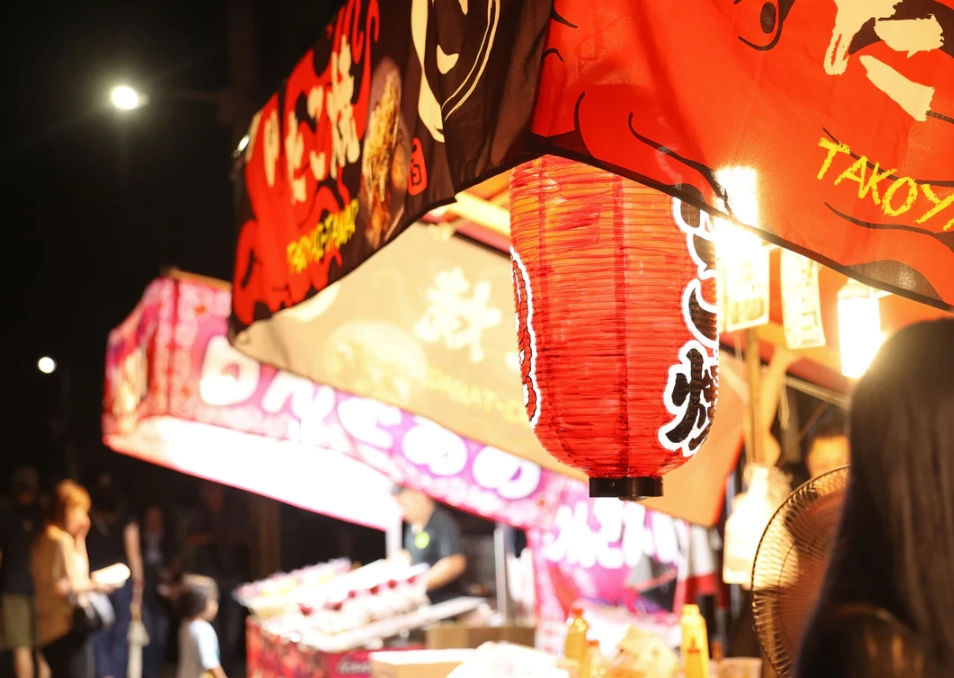
Best Areas for Food Exploration in Osaka
Osaka's neighborhoods each have a personality. Don't stick to one; hop around.
Dotonbori: The Heart of Osaka's Food Scene
Dotonbori is chaotic, flashy, and full of energy. It's where you'll see the Glico Man sign and giant crab signs. But it's also a tourist trap if you're not careful. Go early, around 10 AM, to avoid crowds. Skip the chain restaurants. Instead, look for small alleys like Hozenji Yokocho—it's quieter with traditional shops.
Kuromon Ichiba Market: A Food Lover's Paradise
Kuromon Market is a covered street market with over 150 shops. It's great for fresh seafood and snacks. But here's a secret: prices are higher at the entrance. Walk further in for better deals. Try the uni (sea urchin) or grilled scallops. Some stalls let you eat standing up.
Shinsekai: Retro Vibes and Classic Eats
Shinsekai feels like old Osaka, with its Tsutenkaku Tower. It's cheaper than Dotonbori and has a gritty charm. This is where you'll find the best kushikatsu. I love the atmosphere at night, but it can feel a bit rundown—some call it charming, others sketchy. Go with a group if you're unsure.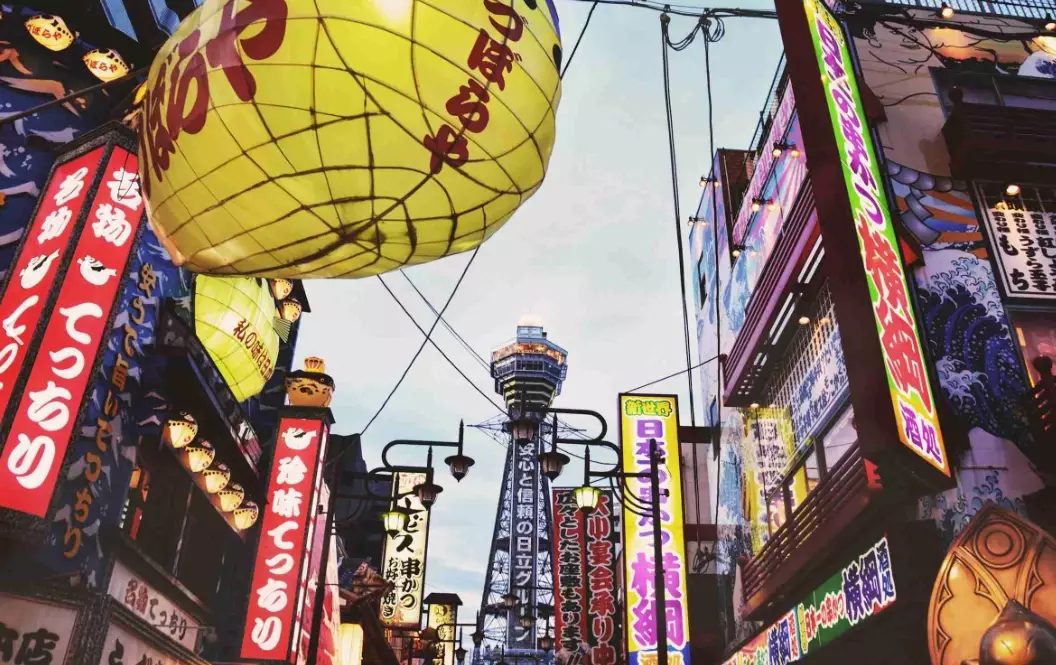
Pro tip: Use Osaka's subway system to hop between areas. A day pass costs ¥800 and covers most lines. Dotonbori and Namba are connected, so you can walk between them.
How to Plan Your Osaka Food Tour
Let's make this practical. Assume you have one full day. Here's a sample itinerary based on my own trips.
Morning (9 AM - 12 PM): Start at Kuromon Market. Grab a coffee and fresh fruit. Try the tuna sashimi at Kurogin—it's melt-in-your-mouth. Price: ¥1,000 per plate. Open 8:00-18:00.
Lunch (12 PM - 2 PM): Head to Shinsekai for kushikatsu at Daruma. Then, walk to Janjan Yokocho Alley for okonomiyaki at Yamato ( 1-6-12 Ebisuhigashi, Naniwa-ku). Their modanyaki is filling. Price: ¥1,500 per person.
Afternoon (2 PM - 5 PM): Explore Dotonbori. Skip the main drag; go to Hozenji Temple area for a quieter vibe. Try takoyaki at Aizuya. If you're still hungry, grab a melon pan (sweet bread) from Rikuro's in Namba ( 1-16-22 Namba, Chuo-ku). Price: ¥250 each.
Dinner (6 PM - 9 PM): For a local experience, book an izakaya in Kitashinchi. I recommend Sake Bar Yoramu ( 1-5-19 Sonezaki, Kita-ku). It's small, so reserve ahead. They serve small plates and great sake. Price: ¥3,000-¥5,000 per person.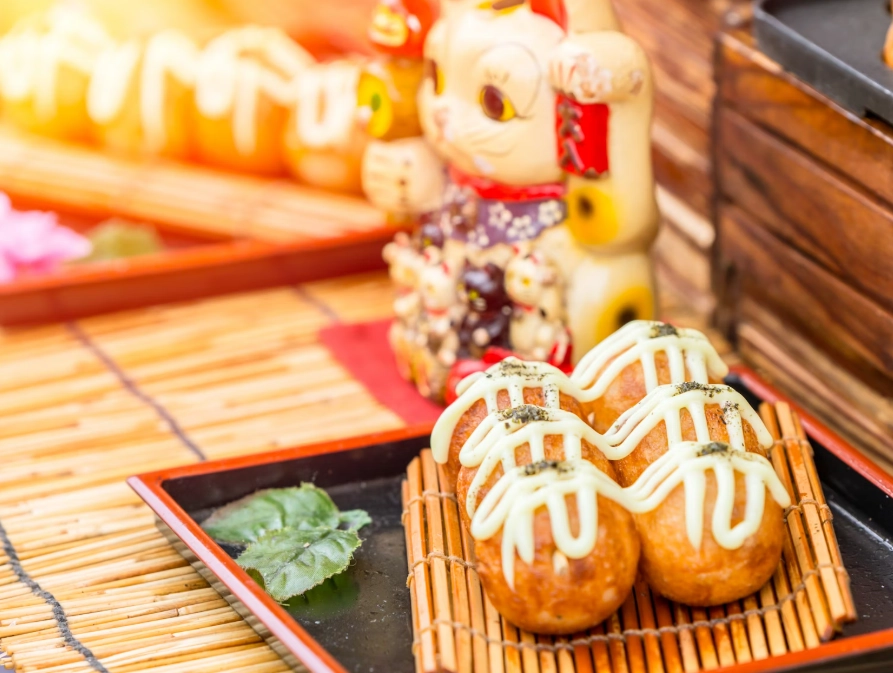
Here's a quick reference table for top spots:
| Restaurant/Stall | Address | Specialty | Price Range | Hours |
|---|---|---|---|---|
| Kukuru (Takoyaki) | 1-6-9 Dotonbori, Chuo-ku | Classic Takoyaki | ¥500-¥800 | 11:00-22:00 |
| Mizuno (Okonomiyaki) | 1-4-15 Dotonbori, Chuo-ku | Osaka-style Okonomiyaki | ¥1,200-¥2,000 | 11:00-22:00 |
| Daruma (Kushikatsu) | 2-3-9 Ebisuhigashi, Naniwa-ku | Assorted Skewers | ¥150-¥300 per skewer | 10:30-21:00 |
| Kurogin (Sashimi) | 2-4-1 Nipponbashi, Chuo-ku | Tuna Sashimi | ¥1,000-¥2,000 | 8:00-18:00 |
| Sake Bar Yoramu | 1-5-19 Sonezaki, Kita-ku | Izakaya Small Plates | ¥3,000-¥5,000 | 18:00-24:00 (reservation needed) |
Insider Secrets: What Most Guides Won't Tell You
After a decade of visiting Osaka, I've seen patterns. Here are a few things most tourists get wrong.
First, timing matters. Osaka's food scene peaks at night, but lunch can be cheaper. Many izakayas have "teishoku" lunch sets for under ¥1,000. For example, in the business districts like Umeda, you'll find deals.
Second, don't overlook convenience stores. Lawsons and 7-Eleven in Japan have amazing onigiri and fried chicken. It's not gourmet, but for a quick snack, it's reliable and cheap. I often grab an egg sandwich for breakfast.
Third, language barrier? Pointing works, but learn a few phrases. "Oishii" means delicious. "Omakase" means chef's choice—useful at sushi bars. Most places have picture menus, though.
Fourth, cash is king. Many small stalls and izakayas don't take credit cards. Withdraw yen from ATMs at convenience stores; they accept foreign cards.
Finally, hygiene. Street food in Osaka is generally safe, but watch for stalls with high turnover. If the oil looks dark, skip it. I got food poisoning once from a dodgy takoyaki stand—not fun.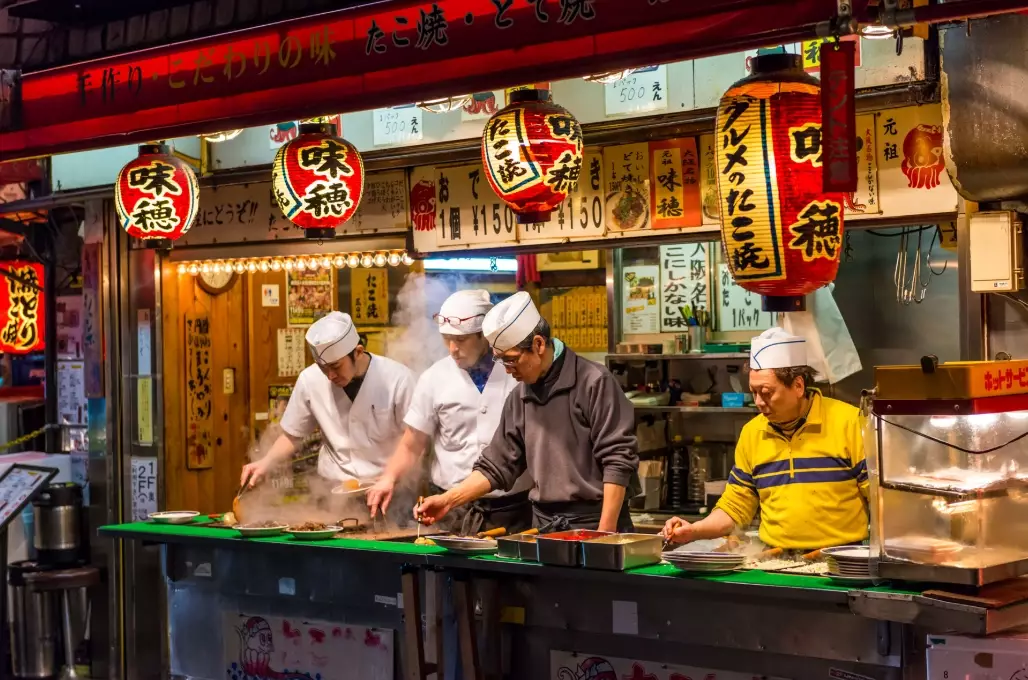
FAQs About Osaka Food Exploration
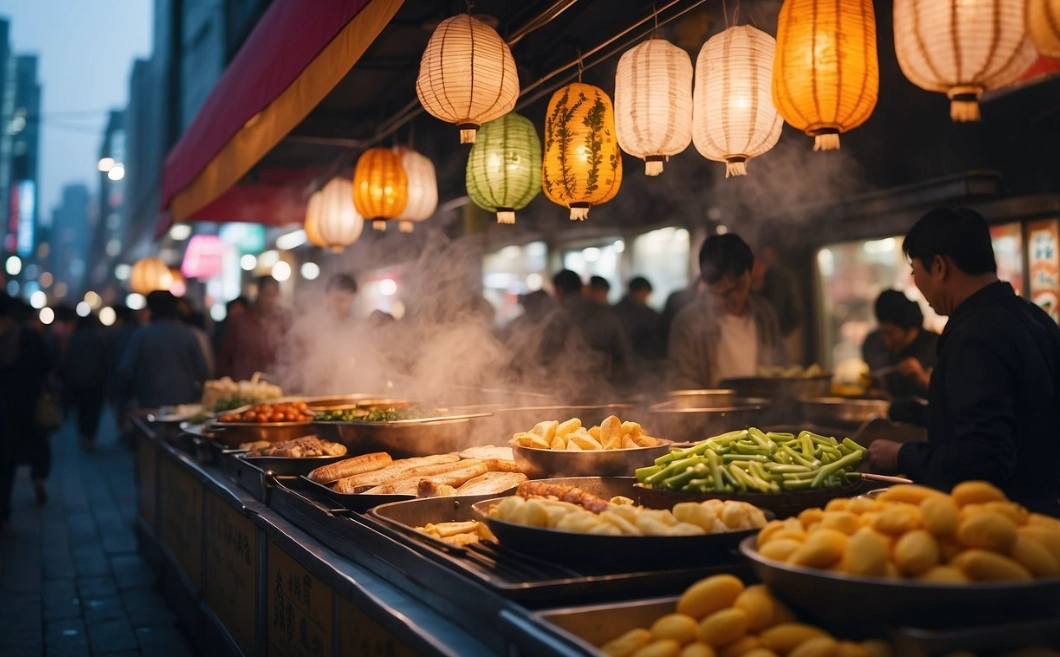 Exploring Osaka's food scene is more than just eating; it's about embracing the city's spirit. Start with the classics, but don't be afraid to wander. Trust your nose—if it smells good, it probably is. And remember, the best meals often come from unexpected places. Now go out there and eat like a local.