Let's be honest, we've all been there. You're staring at a wine list next to a menu, feeling a wave of panic. Red with meat, white with fish? What about that creamy pasta or spicy Thai curry? The old rules feel shaky, and the sommelier seems to speak another language. It can be intimidating.
But here's the secret: great wine and food pairing isn't about memorizing a rigid rulebook. It's about understanding a few simple, powerful principles that let you play with flavors. When you get it right, it's magic. The food tastes better, the wine sings, and the whole meal becomes an event. I've spent over a decade working in restaurants and hosting tastings, and I've seen the same mistakes trip people up. This guide cuts through the noise. We'll ditch the dogma, focus on what matters, and give you a practical toolkit you can use tonight.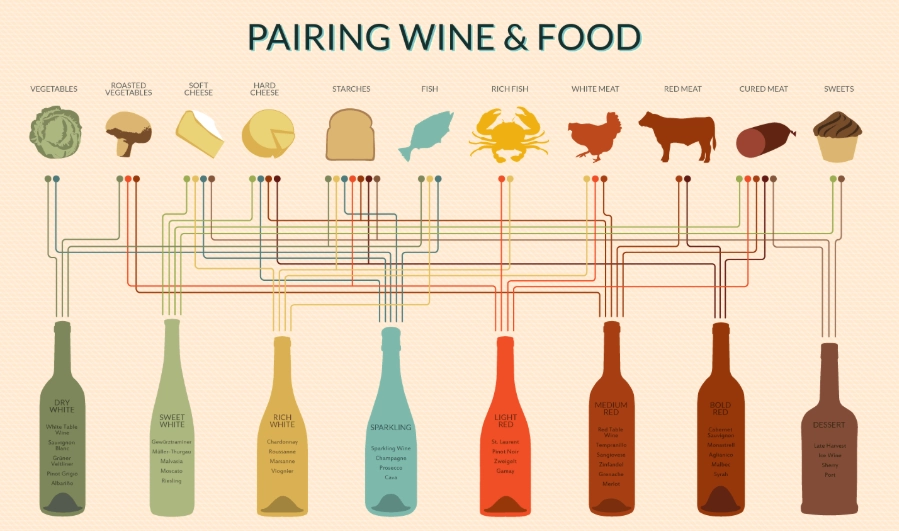
Your Quick Pairing Navigator
Forget the Old Rules: Core Principles That Actually Matter
"Red with meat, white with fish" is a decent starting point for a 1970s dinner party. Today's food is more complex, and so is our wine. Throw that out and think about these two things instead: weight and flavor interaction.
Weight Matching (or Contrasting): This is the most reliable anchor. Think about the body of both the food and the wine. A heavy, rich dish like braised short ribs can overwhelm a delicate Pinot Grigio. It needs something with similar heft, like a Syrah or a bold Chardonnay. Conversely, a light, flaky piece of sole needs a wine that won't bury it—a crisp Sauvignon Blanc or a light Pinot Noir works.
Flavor Interaction: The Three Friends: Flavors in food and wine do three things: they can complement, contrast, or cut through.
- Complement: Similar flavors amplify each other. A buttery, oak-aged Chardonnay with a lobster in cream sauce. A peppery Syrah with a black pepper-crusted steak.
- Contrast: Opposites attract. The bright acidity and green notes in a Sauvignon Blanc can be stunning with the rich, salty fat of goat cheese.
- Cut Through: This is about cleansing the palate. The tannins in red wine (that drying feeling) bind with fat and protein, slicing through a fatty steak like a flavor knife. Acidity in wine does the same with oily or rich foods.
Acidity and tannin aren't flaws; they're tools. A high-acid wine (think Italian Pinot Grigio, Chablis) is your best friend for fried food, creamy sauces, or dishes with a squeeze of lemon. It scrubs your palate clean.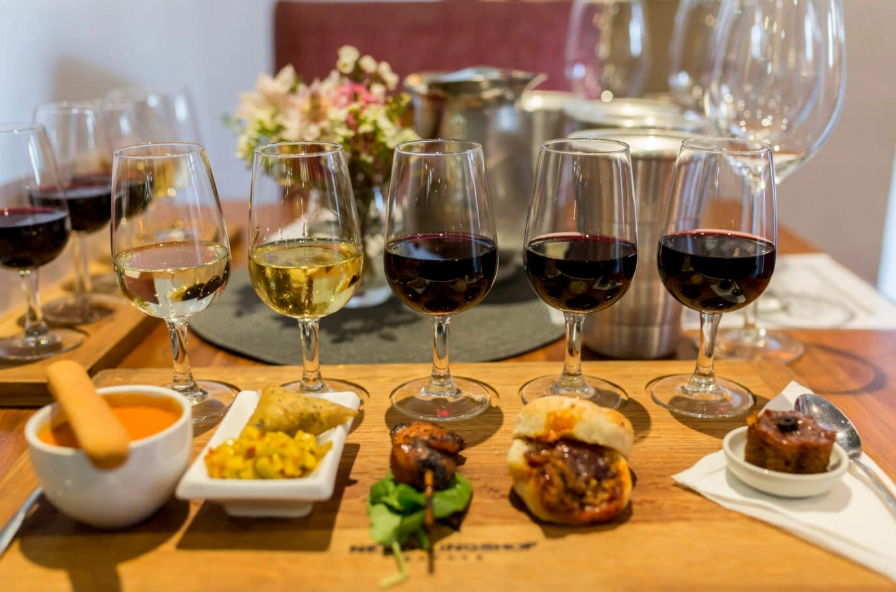
Your Go-To Pairing Cheat Sheet (From Steak to Salad)
Let's get specific. Here’s a breakdown of common dishes and the wine styles that work, with a few specific bottle suggestions to look for. Remember, these are starting points, not commandments.
| Food Type / Dish | Key Flavors & Texture | Wine Style to Look For | Example Varietals/Regions |
|---|---|---|---|
| Grilled or Roasted Red Meat (Steak, Lamb) | Rich, fatty, savory, often charred or peppery. | Full-bodied, tannic reds. The tannins cut the fat. | Cabernet Sauvignon (Napa, Bordeaux), Malbec (Argentina), Syrah/Shiraz (Australia, Rhône). |
| Rich, Creamy Pasta (Fettuccine Alfredo, Carbonara) | Creamy, fatty, cheesy, sometimes salty (from pancetta). | High-acid whites or light, low-tannin reds. Acidity cuts richness. | Italian Pinot Grigio, Vermentino, Chardonnay (unoaked or lightly oaked), Barbera (a red from Italy with high acid). |
| Oily Fish (Salmon, Tuna, Mackerel) | Meaty, oily, can be grilled or served with bold sauces. | Medium-bodied wines with good acidity. Can go red or white. | Pinot Noir (Oregon, Burgundy), Rosé (Provence style), Chardonnay (not too oaky), Grenache. |
| Spicy Asian Cuisine (Thai Curry, Szechuan) | Spicy (capsicum heat), aromatic, sometimes sweet or sour. | Low-alcohol, fruity, slightly sweet wines. Avoid high alcohol & oak. | Off-dry Riesling (Germany, Alsace), Gewürztraminer, sparkling wine (Prosecco, Cava). The sweetness cools the heat. |
| Hard, Aged Cheeses (Parmigiano-Reggiano, Aged Cheddar) | Salty, nutty, crystalline, intense. | Big, bold reds or fortified wines. Match intensity. | Cabernet Sauvignon, Barolo, Port, Sherry (Amontillado). |
| Salads with Vinaigrette | Acidic (from vinegar), bitter (greens), often light. | Crisp, high-acid, neutral wines. The wine must be more acidic than the dressing. | Sauvignon Blanc, Vinho Verde (Portugal), dry sparkling wine. Avoid oaky wines. |
The "Swiss Army Knife" Wines for Your Rack
If you're stocking a home bar and want versatile options, these are my top picks: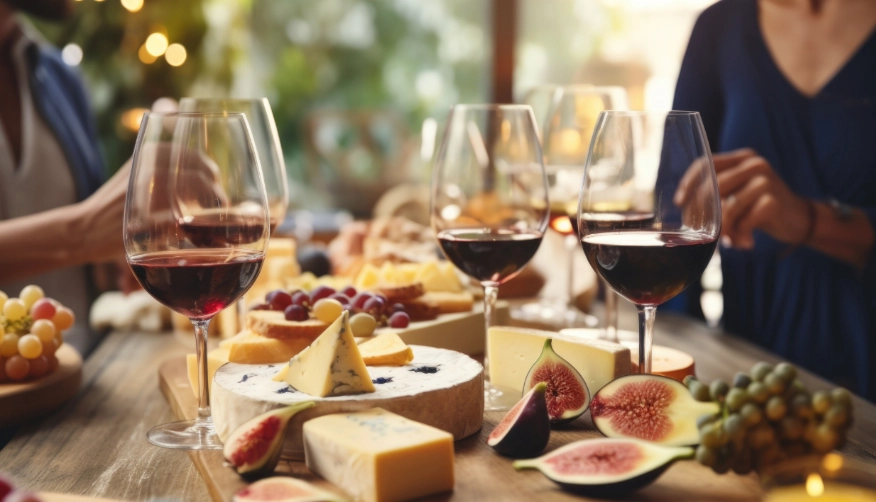
Dry Rosé: Not the sweet stuff, but a dry, crisp Provençal style. It has the acidity of a white and some of the fruit of a red. Works with salads, grilled chicken, seafood, charcuterie, and even some lighter pasta dishes. It's my default for takeout or mixed-menu dinners.
Pinot Noir: Specifically, a cool-climate one (like from Oregon, New Zealand, or Burgundy). It's light enough for salmon but complex enough for duck or mushroom dishes. Low tannins make it food-friendly.
Champagne/Quality Sparkling Wine: The bubbles and acidity are a palate cleanser. It's fantastic with salty snacks (chips, fries), fried food, eggs (brunch!), and even sushi. Don't save it just for celebrations.
Pro Moves: Elevating Your Pairing Game
Once you're comfortable with the basics, these next-level ideas can create truly memorable matches.
Think Regionally: This is an old trick that usually works. Foods and wines that evolved together over centuries tend to complement each other. Think Chianti with tomato-based pasta, Sancerre (Sauvignon Blanc) with goat cheese from the Loire, or Albariño with Spanish seafood. It's a fantastic default strategy.
Sweetness in Wine is a Power Tool: A touch of sweetness (not cloying sugar) is brilliant with salt, spice, and fat. That's why Port and Stilton cheese is a classic. Try a Moscato d'Asti with spicy chicken wings—it's a game-changer. The wine's sweetness tames the heat, and the bubbles refresh.
The Sauce is the Boss: I said it before, but it bears repeating. Identify the dominant sauce or seasoning. A lemon-butter sauce calls for a different wine than a red wine reduction, even over the same protein. Pair to the sauce, not just the meat.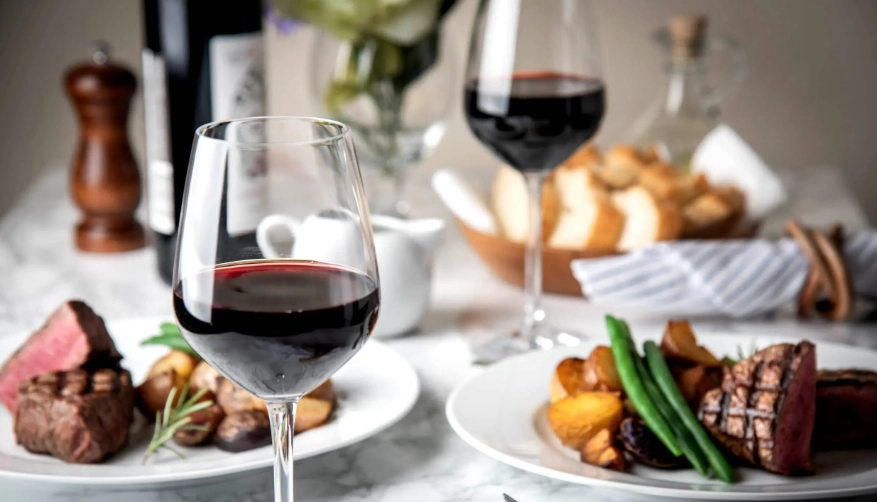
Three Pairing Mistakes Almost Everyone Makes
I've seen these derail more dinners than I can count.
1. Pairing a Big, Oaky Wine with Delicate Food. A heavily oaked California Chardonnay will obliterate a simple seared scallop. The wine becomes a bully. Match power with power, or let delicate flavors shine with a delicate wine.
2. Serving Wine Too Warm (Especially Reds). This is a huge one. A room temperature Cabernet in a 72°F (22°C) room is serving it too warm. It becomes alcoholic and flabby. Most reds taste better slightly chilled, around 60-65°F (15-18°C). 20 minutes in the fridge can transform a red wine. Whites are often served too cold, muting their flavors. Take them out 15 minutes before serving.
3. Being Afraid to Break the "Rules." The best pairing I had last year was a German Riesling (slightly sweet) with a spicy pork vindaloo. It was perfect. The old "rule" would have been a failure. Trust your palate. If you like it, it's a good pairing.
Your Wine Pairing Questions, Answered
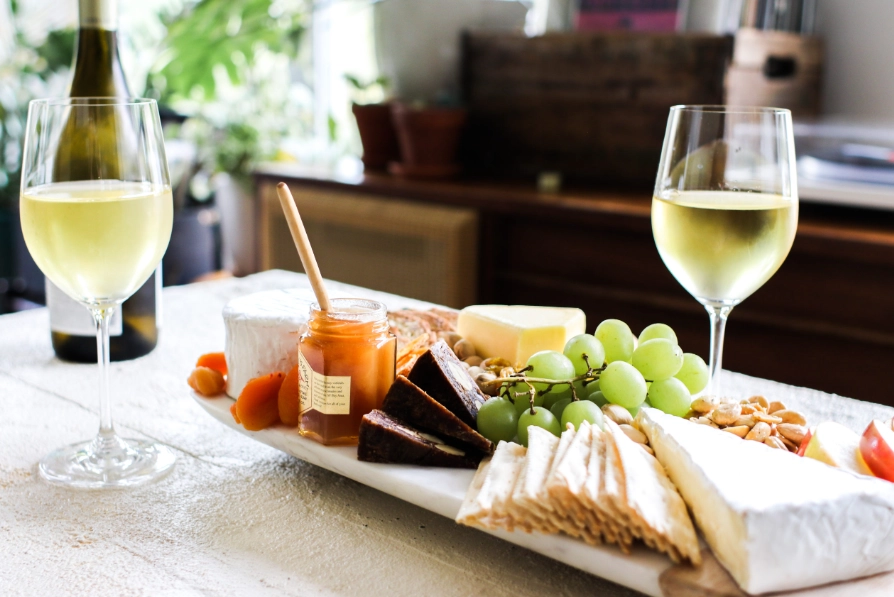 The goal isn't perfection. It's discovery. Start with the weight of the food, think about the dominant flavor, and don't be scared to experiment. The worst that happens is you have a sip of wine you don't love with a bite of food—you'll survive. But when you find that combination where everything clicks, it turns a meal into a memory. That's what it's all about. Now go open a bottle.