Let's be honest. Most backpacking packing lists are garbage. They're either written by someone who's never carried a 15kg pack up a mountain in the rain, or they're so generic they tell you to pack "clothes" and "toiletries." After a decade of stuffing my life into a 40-liter bag—from Southeast Asian jungles to Scandinavian fjords—I've learned that the real essentials aren't about the most items, but the right items. This isn't a theoretical list. It's a battle-tested, weight-conscious system designed to eliminate packing anxiety and let you focus on the adventure.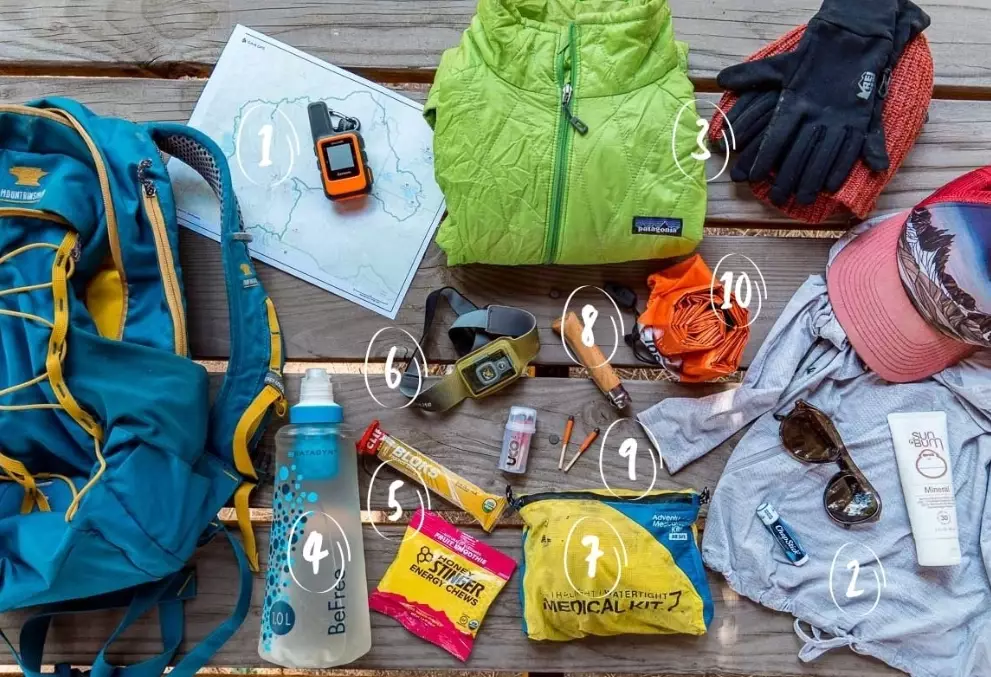
Your Quick Packing Guide
The One Thing Most Packing Lists Get Wrong
Before we talk gear, let's talk mindset. The biggest mistake is packing for "what-ifs." That extra pair of jeans, the third novel, the fancy outfit for a party that probably won't happen. This "just in case" mentality is the enemy of lightweight travel. Every gram adds up. Carrying 20% more than you need for three weeks will exhaust you in a way that ruins days.
Your true first essential is a packing philosophy: Versatility over volume. Multi-use over single-use. A sarong is a towel, a beach cover-up, a scarf, and a light blanket. A smartphone is your camera, map, book, and boarding pass. Start by laying out everything you think you need. Then, cut it by half. Seriously.
Expert Reality Check: I once met a guy in Peru with a massive pack. He brought a full-size towel, a heavy hardcover book, and three pairs of shoes. By day three, he was mailing a box of stuff home at a cost that exceeded the items' value. His trip improved immediately after. Don't be that guy.
The Weight-Conscious Backpacking Essentials Checklist
This list is modular. Consider it your core. Adapt the quantities based on trip length and climate, but these categories are non-negotiable.
The Shelter & Sleep System (For Non-Hotel Travel)
If you're hosteling or camping, this is your foundation.
- Backpack: 40-50 liters is the sweet spot for indefinite travel. Over 60L invites overpacking.
- Pack Liner/ Rain Cover: A contractor-grade trash bag inside your pack is cheaper and more reliable than most rain covers.
- Sleeping Bag or Liner: A silk or microfiber liner is essential for sketchy hostel beds and adds warmth to a summer bag.
- Travel Pillow: Inflatable or compressible. Neck support on overnight buses is a game-changer.
Clothing: The Layer System
Forget outfits. Think layers that work together. Aim for a one-week wardrobe, regardless of trip length. You will wash things.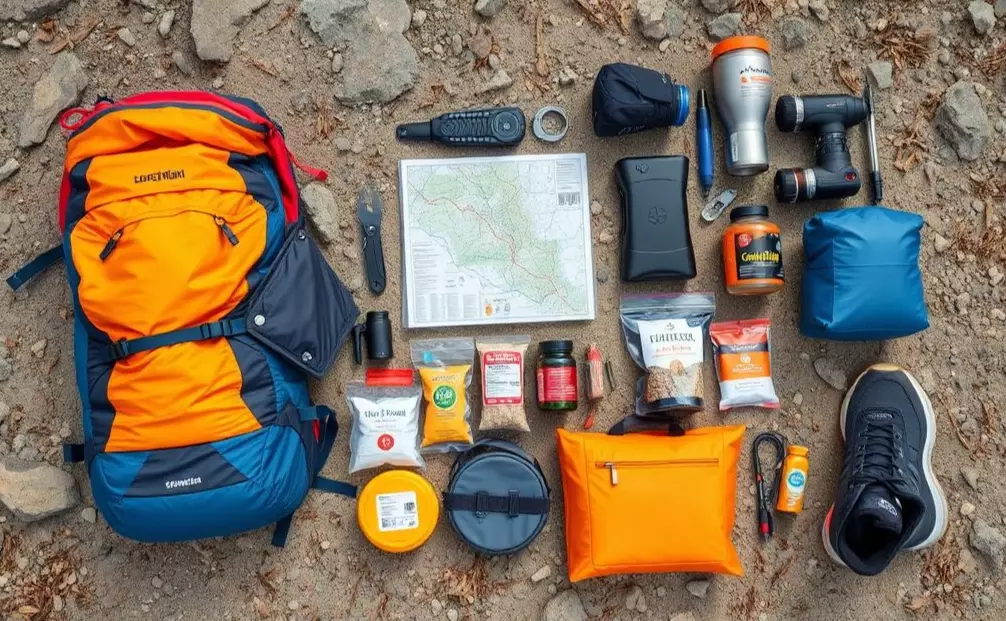
| Item | Material Tip | Why It's Essential |
|---|---|---|
| Base Layer Top (x2) | Merino wool or synthetic | Wicks sweat, doesn't stink for days. Merino is worth the investment. |
| Mid-Layer (x1) | Fleece or lightweight down jacket | Your primary warmth layer. Packs tiny. |
| Outer Shell (x1) | Waterproof & breathable jacket | For rain and wind. Non-negotiable. |
| Travel Pants (x1) | Quick-dry, durable fabric | Converts to shorts? Even better. |
| Shorts (x1) | Lightweight | For sleeping, beaches, hiking. |
| T-Shirts (x3) | Quick-dry synthetic or merino | Rotate, wash, repeat. |
| Underwear (x5) | Quick-dry material | You can wash socks daily, but fresh underwear is a morale booster. |
| Socks (x4) | Merino wool blend | Prevents blisters, fights odor. |
| Footwear (x2 pairs) | 1 Trail runner/hiker, 1 Sandal | Never just hiking boots. Trail runners dry fast, weigh less. Sandals for showers & rest days. |
Tools & Tech
- Universal Power Adapter + Multi-Port Charger: One compact adapter with multiple USB ports. Don't carry a separate adapter for each country.
- Power Bank (10,000mAh min): For long bus rides and powerless hostels.
- Headlamp: Hands-free light for dorm rooms, night hikes, power outages. More useful than a flashlight.
- Multi-Tool (TSA-compliant): The tiny ones with scissors, knife, bottle opener. You'll use it weekly.
- Water Bottle: Insulated if you like cold water, simple Nalgene if not. Avoid single-use plastic.
Health & Safety
This is where people skimp, then regret it.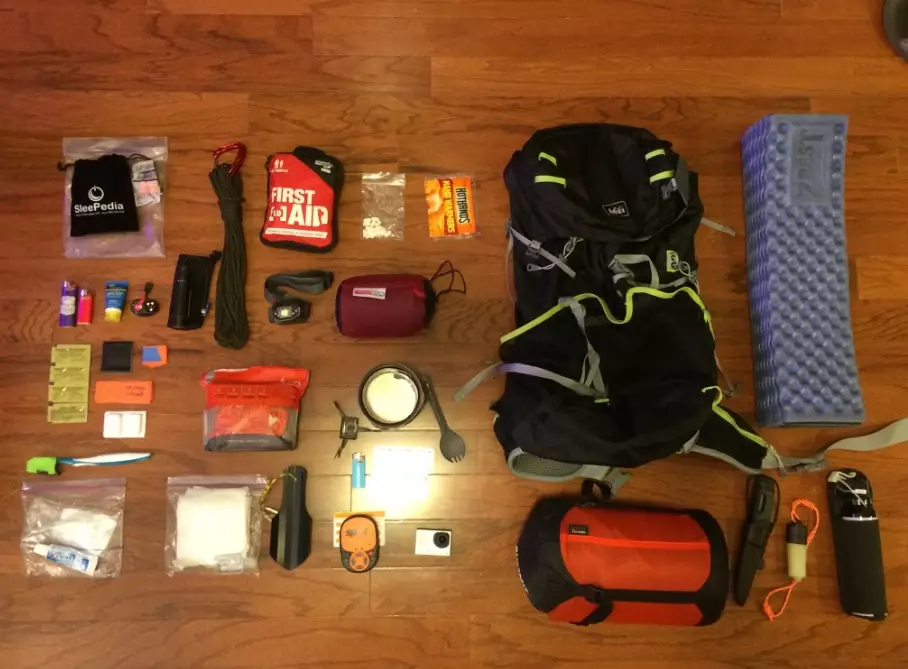
- Mini First-Aid Kit: Band-aids, antiseptic wipes, blister pads, ibuprofen, anti-diarrheal, personal meds.
- Water Purification: Steripen or purification tablets. Tap water isn't safe everywhere.
- Microfiber Towel: Quick-dry, packable. A large one.
- Toiletry Kit: Decant everything into small bottles. Solid shampoo/conditioner bars save space and avoid leaks.
- Sunscreen & Bug Spray: Often expensive or low-quality abroad. Bring enough.
- Documents: Physical copies of passport, visa, insurance. Digital scans in your email.
How to Choose Your Backpack (It's Not Just Size)
Picking a pack based on liter size alone is like buying shoes based on length. Fit is everything.
Get Fitted: Go to a store like REI (or a local outdoor shop) with weight bags. Have them measure your torso length, not your height. A pack that hangs from your shoulders will destroy your back.
Try Before You Buy: Load it with 10-15 kg of sandbags in the store. Walk around for 10 minutes. How does the hip belt feel? Does it transfer weight to your hips? Can you access side pockets without taking it off?
My Personal Pick: After trying a dozen, I settled on a 48-liter pack with a front panel loading design (like a suitcase), not just top-loading. It makes finding your socks at the bottom a 10-second task, not a 10-minute excavation. Top-loading packs are for mountaineers who need streamlined profiles; backpackers need access.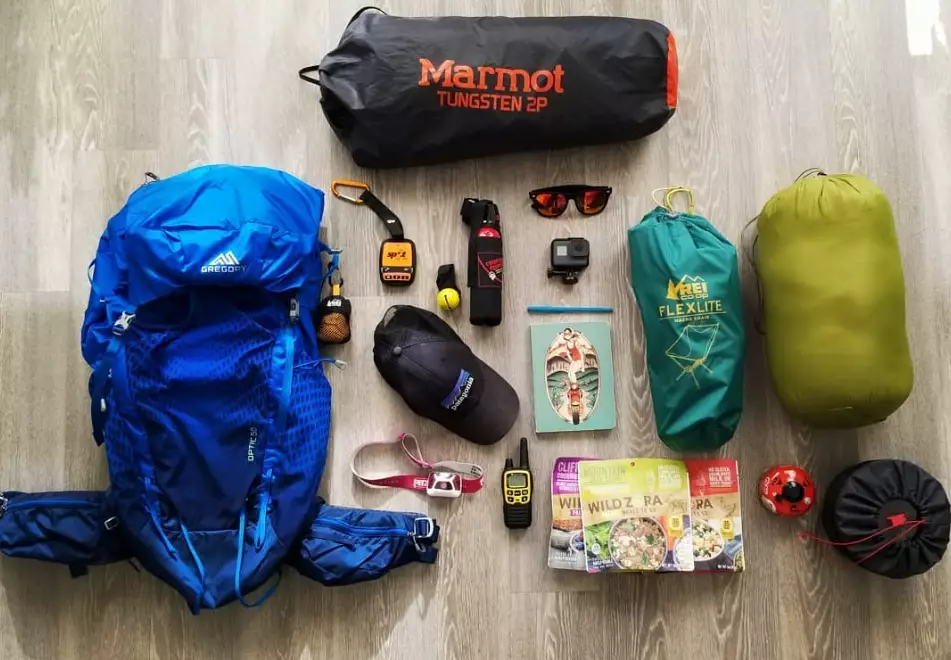
Packing Mastery: The Art of Fitting It All In
Rolling clothes saves space. But packing cubes are the real secret. They compress and organize. Use one for tops, one for bottoms/underwear, one for tech cords. A separate dry bag for dirty laundry.
Packing Order:
1. Bottom: Sleeping bag/liner, packed in its compression sack.
2. Middle (against your back): Heaviest, densest items—packed cubes with clothes, toiletries bag.
3. Front/Top: Items you need often—jacket, rain shell, snacks, first-aid kit.
4. Lid & Pockets: Passport, phone, charger, sunglasses, trail snacks.
The goal is a pack that stands upright, isn't bulging, and has a balanced weight close to your spine.
Essentials for Specific Scenarios
The core list adapts. Here’s how.
Backpacking in Southeast Asia (Hot & Humid)
Add/Emphasize: More quick-dry shirts (4), loose linen pants for temple visits, high-SPF sunscreen, rugged sandals (like Chacos), a quality rain jacket (monsoon rains are no joke), a sleeping sheet for budget bungalows, electrolyte powder.
Subtract: Heavy fleece mid-layer (swap for a very light sweater), bulky hiking boots (trail runners suffice).
Backpacking Europe (Mixed Cities & Nature)
Add/Emphasize: One "nice" outfit (dark jeans, button-down or casual dress), compact umbrella, city-style daypack that folds into itself, adapter for European outlets, a warmer mid-layer (light down jacket).
Subtract: Some of the ultra-technical hiking gear if you're mostly city-hopping.
Wilderness Backpacking (Multi-Day Hikes)
Add/Emphasize: Proper tent, sleeping pad, stove, cookset, water filter, bear canister if required, topographic maps/compass (not just phone), more substantial first-aid kit, trekking poles.
Subtract: Almost all "city" clothing. This is a specialized gear list beyond this article's core travel focus. Resources like the National Park Service have excellent guides.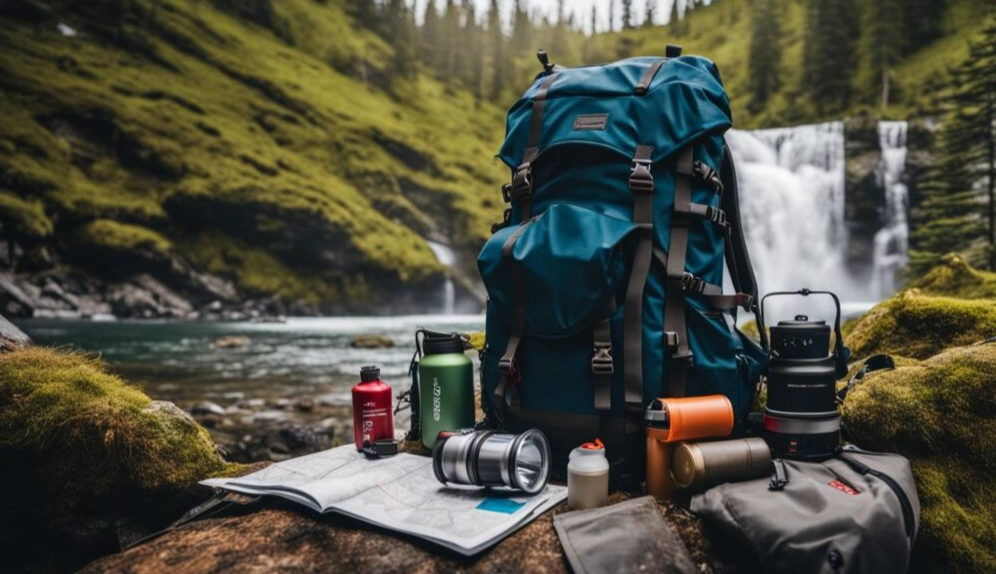
Your Backpacking Questions, Answered
I'm backpacking for a month. How do I pack light enough but still have variety?
You don't need variety, you need a color-coordinated capsule wardrobe. Stick to 2-3 base colors (e.g., black, grey, navy). Every top goes with every bottom. Accessorize with a colorful scarf or hat. People remember the mountain you climbed, not the shirt you wore three times. Doing laundry weekly is cheaper and easier than carrying a month's worth of clothes.
What's one piece of gear most beginners overlook but veterans swear by?
A packable, reusable shopping bag. The sturdy kind. It's a dirty laundry bag, an extra grocery bag, a beach bag, a way to separate wet gear. It weighs nothing, costs $2, and I use it literally every day on the road. Most packing lists are obsessed with the big-ticket items and miss these tiny workhorses.
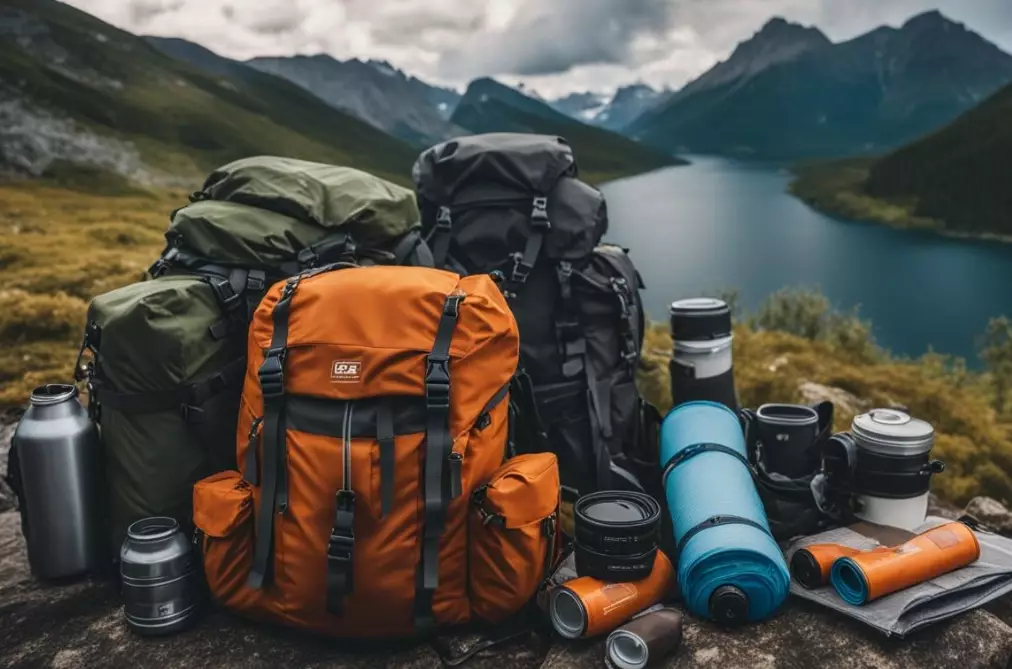 How can I prevent my backpack from being a target for theft?
First, never check it with valuables. Use it as carry-on. On buses, loop a Pacsafe wire through a strap and around a fixed seat leg. In hostels, use the locker—always. The best deterrent, however, is looking organized and aware. A clueless traveler buried in their phone is a target. Look like you know what you're doing. Consider a small combination lock for the main zippers in transit for casual opportunism, though determined thieves will cut it.
Is it worth buying expensive merino wool or technical fabrics?
For your base layers and socks, 100% yes. The odor resistance is not marketing hype. You can wear a merino t-shirt for 3-4 days in moderate climates before it needs a wash. For mid-layers and pants, it's more nuanced. A $30 synthetic fleece performs nearly as well as a $120 fancy one. Prioritize your budget on items against your skin (socks, underwear, base layer) and your rain shell. You can cheap out on mid-layers.
What do I absolutely not need to pack?
Books (use an e-reader app on your phone). More than two pairs of shoes. Denim jeans (heavy, slow to dry). A full-sized towel. Your entire bathroom cabinet. "Nice" jewelry. A separate camera unless you're a serious photographer (smartphones are incredible). Guides like Lonely Planet are available digitally. Basically, if you can buy it for less than $10 in 20 minutes at your destination, don't pack it.