Campfire cooking isn't just about survival; it's about turning a simple meal into a memorable experience. I've spent over a decade cooking over open flames, from backcountry trips to backyard bonfires, and I've learned that with the right recipes and techniques, you can create dishes that rival your kitchen stove. Forget those bland, pre-packaged camping meals—let's dive into how to make delicious, easy campfire cooking recipes that everyone will love.
What You’ll Find in This Guide
Essential Gear for Campfire Cooking
Before you start, you need the right tools. I've seen too many people try to cook with flimsy gear that ends up ruined or unsafe. Invest in these basics, and you'll save time and frustration.
Must-Have Tools
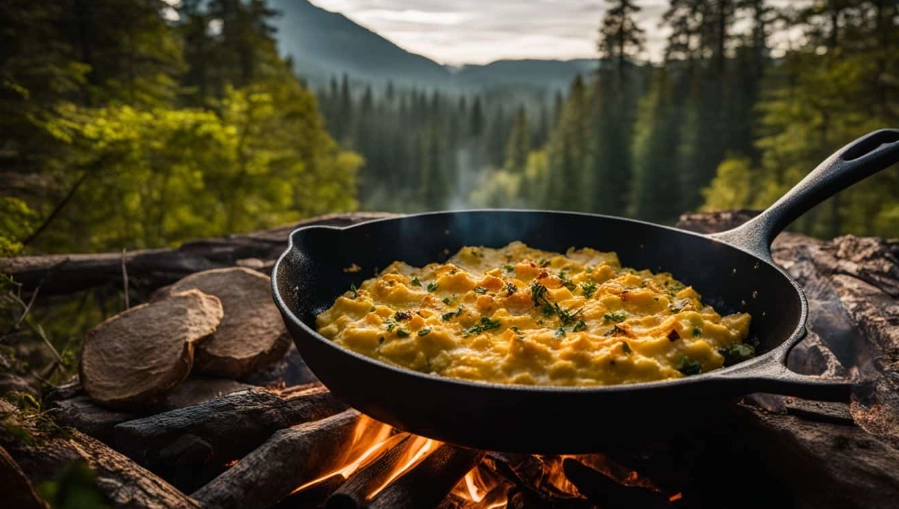
- Cast iron skillet or Dutch oven: These distribute heat evenly and can handle high temperatures. A 10-inch skillet is versatile for everything from eggs to steaks.
- Long-handled tongs and spatula: Keep your hands away from the flames. I prefer stainless steel for durability.
- Heat-resistant gloves: Not just for handling pots; they're crucial for adjusting logs or moving hot coals.
- Grill grate: If your campsite doesn't have one, bring a portable grate that fits over the fire pit. It gives you a stable surface for skewers or pans.
Choosing the Right Cookware
Avoid non-stick pans—they can release toxic fumes over open flames. Cast iron is king, but if weight is an issue, hard-anodized aluminum works well. For a recent trip to Yellowstone, I packed a lightweight Dutch oven, and it made all the difference for stews.
Pro tip: Season your cast iron before the trip by coating it with oil and baking it. This prevents rust and makes cleaning easier.
5 Foolproof Campfire Recipes Even Beginners Can Master
These recipes are based on simplicity and flavor. I've tested them in various conditions, from rainy evenings to windy peaks, and they always deliver.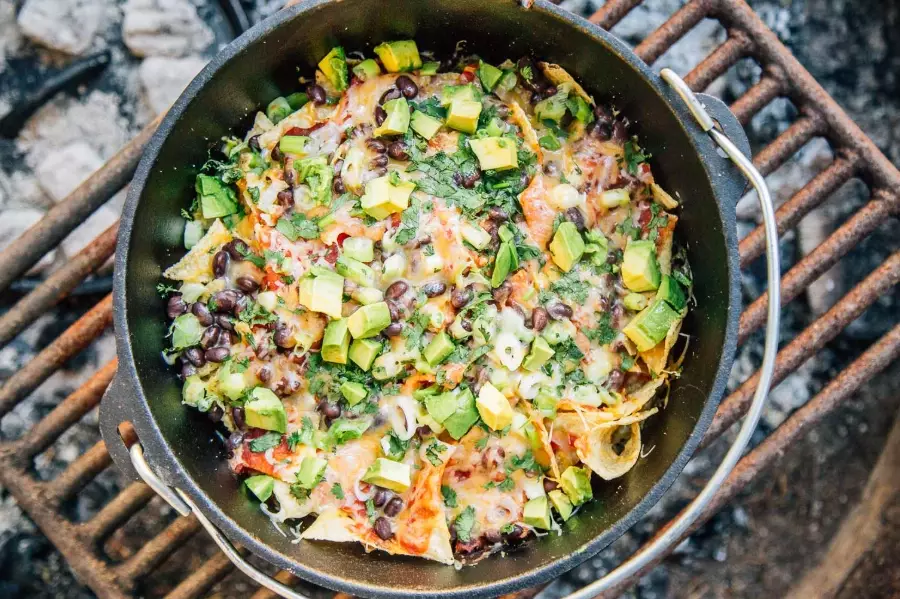
Recipe 1: Campfire Chili
Why it works: It's a one-pot meal that simmers for hours, developing deep flavors while you relax. I use canned beans and tomatoes to cut prep time.
Ingredients: 1 lb ground beef, 1 onion diced, 2 cans kidney beans, 1 can diced tomatoes, chili powder, salt, pepper.
Steps: Brown the beef in a Dutch oven over medium coals. Add onion and cook until soft. Stir in beans, tomatoes, and spices. Cover and let it simmer on low heat for 1-2 hours, stirring occasionally. Serve with cornbread.
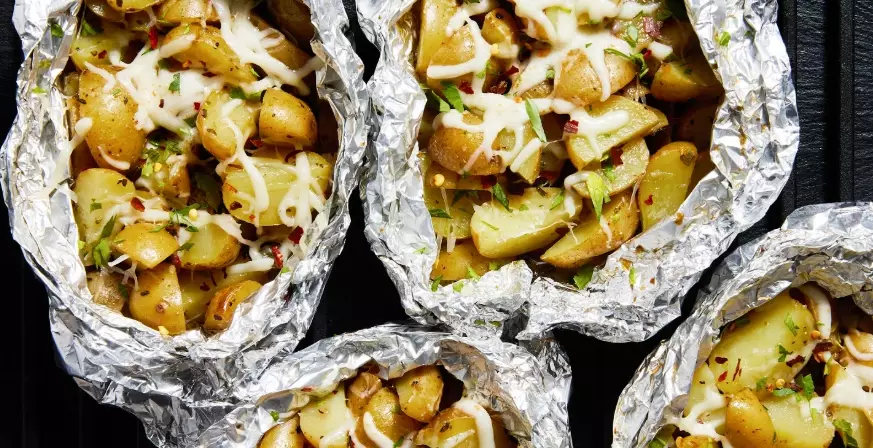
Recipe 2: Foil Packet Potatoes and Sausage
Why it works: No cleanup needed—just toss the foil. It's perfect for groups because everyone can customize their packet.
Ingredients: Sliced potatoes, smoked sausage chunks, bell peppers, onion, olive oil, garlic powder.
Steps: Lay out a large piece of heavy-duty foil. Pile ingredients in the center, drizzle with oil, and season. Fold the foil into a tight packet. Place on hot coals for 20-25 minutes, flipping halfway. Check for doneness by piercing a potato with a fork.
Recipe 3: Skewered Vegetable Medley
Why it works: A healthy side that cooks quickly. Use sturdy veggies like zucchini, mushrooms, and cherry tomatoes.
Ingredients: Assorted vegetables, olive oil, salt, pepper, wooden skewers (soaked in water for 30 minutes to prevent burning).
Steps: Thread veggies onto skewers. Brush with oil and season. Hold over the fire for 5-10 minutes, turning frequently, until charred and tender.
Recipe 4: Campfire Quesadillas
Why it works: They're fast and kid-friendly. I use pre-shredded cheese and tortillas to keep it simple.
Ingredients: Flour tortillas, shredded cheese, cooked chicken or black beans, salsa.
Steps: Place a tortilla in a skillet over medium heat. Sprinkle cheese and fillings on half, then fold over. Cook for 2-3 minutes per side until golden and melted. Cut into wedges and serve with salsa.
Recipe 5: Banana Boat Dessert
Why it works: A sweet treat that requires no fancy tools. It's a crowd-pleaser that ends the meal on a high note.
Ingredients: Ripe bananas, chocolate chips, mini marshmallows, foil.
Steps: Slit each banana lengthwise (without cutting through the bottom). Stuff with chocolate and marshmallows. Wrap in foil and place on coals for 5-10 minutes until melted. Eat with a spoon.
 These recipes cover breakfast, lunch, dinner, and dessert. For more ideas, check out resources like the U.S. Forest Service for safe fire practices, or REI's camping guides for gear recommendations.
Pro Tips for Controlling Heat and Flavor
Most beginners struggle with heat control. They toss food into roaring flames and end up with charred outsides and raw insides. Here's what I've learned.
How to Manage Your Fire
Build your fire at least 30 minutes before cooking. Let it burn down to hot coals—they provide steady, even heat. Flames are too unpredictable. Use a stick to push coals to the side for different temperature zones: high heat for searing, medium for simmering.
I often set up two zones: one with a pile of coals for direct heat, and another with scattered coals for indirect cooking. This lets me sear a steak and then move it to finish cooking gently.
Enhancing Flavor with Simple Tricks
- Use hardwood: Oak or hickory adds a smoky taste. Avoid pine—it can impart a resinous flavor.
- Add herbs: Toss rosemary or thyme directly onto the coals for aromatic smoke.
- Marinate ahead: Prep meats in zip-top bags with oil, acid (like lemon juice), and spices. It tenderizes and infuses flavor.
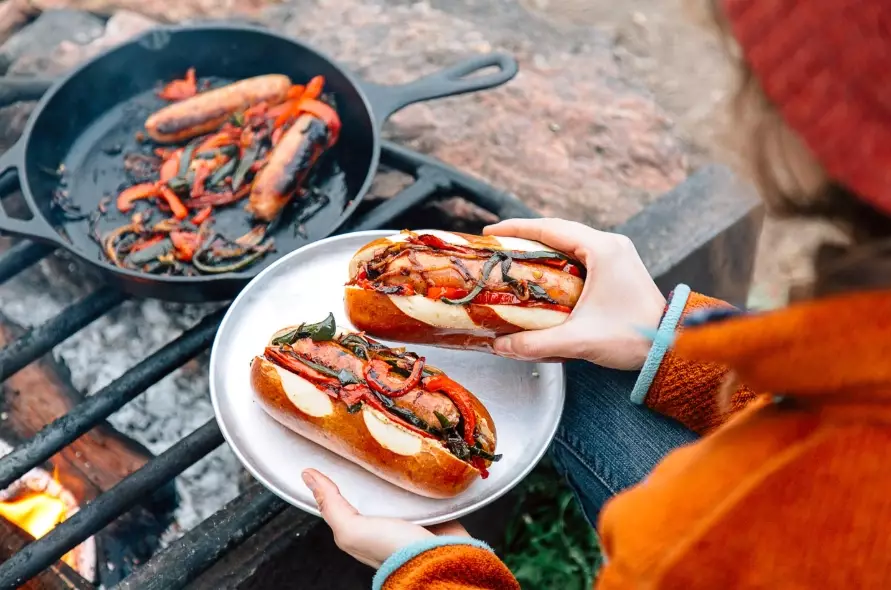
Watch out: Don't overcrowd your skillet. It lowers the temperature and leads to steaming instead of browning. Cook in batches if needed.
What Not to Do: Common Campfire Cooking Blunders
I've made my share of mistakes, so learn from them. These are subtle errors that most guides don't mention.
Using the wrong oil: Olive oil has a low smoke point and can burn quickly over campfires. Opt for avocado or canola oil for high-heat cooking.
Ignoring wind direction: Wind can blow ashes into your food or cause uneven heating. Position your cooking area on the leeward side of the fire.
Skipping a thermometer: Guessing doneness is risky, especially with poultry. A simple meat thermometer ensures safety without overcooking.
Once, I tried to cook bacon directly on a grate without a pan. The fat dripped and caused flare-ups, ruining the batch. Now I always use a skillet for fatty foods.
Another thing: people forget to let meat rest after cooking. It juices out all over the place. Tent it with foil for a few minutes—it makes a huge difference.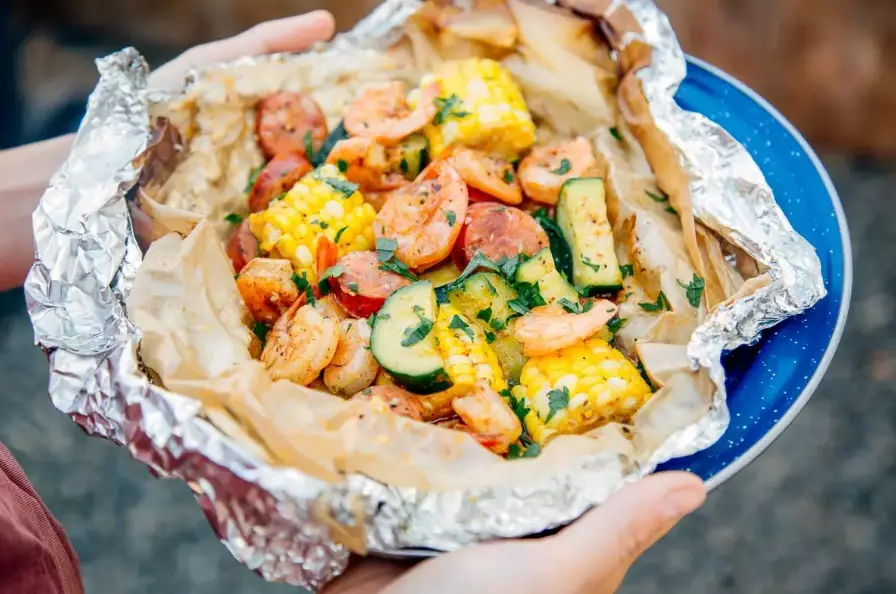
Frequently Asked Questions About Campfire Cooking
 Campfire cooking is more than a skill—it's a way to connect with nature and people. Start with these recipes and tips, and you'll soon be improvising your own creations. Remember, the goal isn't perfection; it's enjoyment. So grab your gear, light that fire, and cook something amazing.