Let's cut to the chase. You're not here for another list of generic "must-see" places. You want the real deal—destinations that get your heart pounding, challenge your limits, and leave you with stories that aren't just about a nice beach. True adventure travel is about immersion, physical engagement, and often, a healthy dose of uncertainty. It's trekking where the path disappears, diving into unseen depths, or navigating a landscape that feels untouched. Based on years of getting lost (sometimes literally) and finding my way, here's a deep dive into destinations that deliver genuine adventure, complete with the nitty-gritty details most guides gloss over.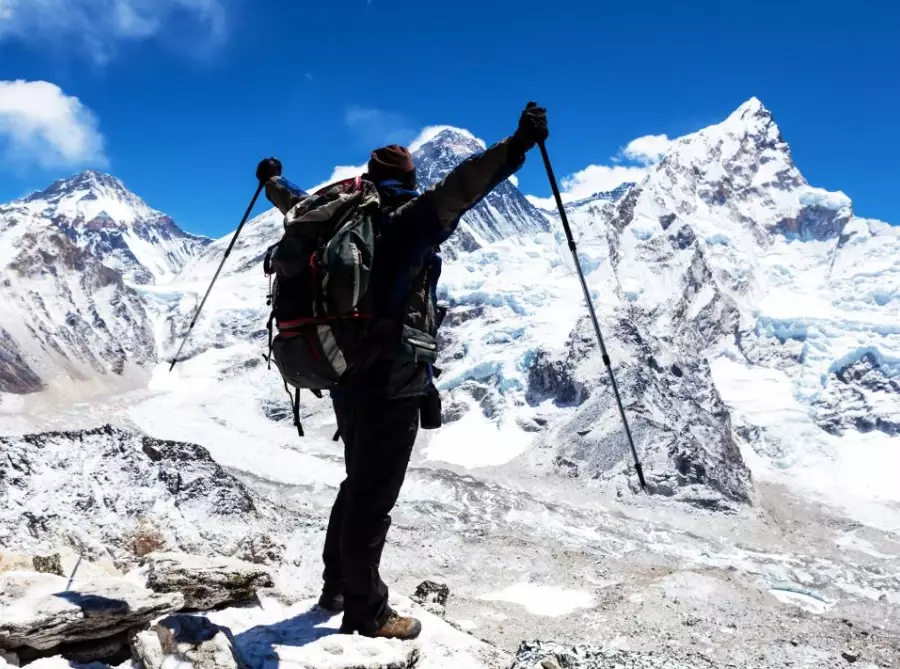
Your Quick Jump-Start Guide
The Destinations: A Detailed Breakdown
Forget vague descriptions. Here’s what you actually need to know about five iconic spots, from logistics to the feeling you'll get there.
1. Patagonia (Chile & Argentina): The Trekker's Holy Grail
The wind here doesn't whisper, it howls. Patagonia is raw, elemental, and humbling. Most people aim for Torres del Paine National Park in Chile or Los Glaciares National Park in Argentina. The classic W Trek in Torres del Paine is booked solid months in advance—a fact many first-timers discover too late.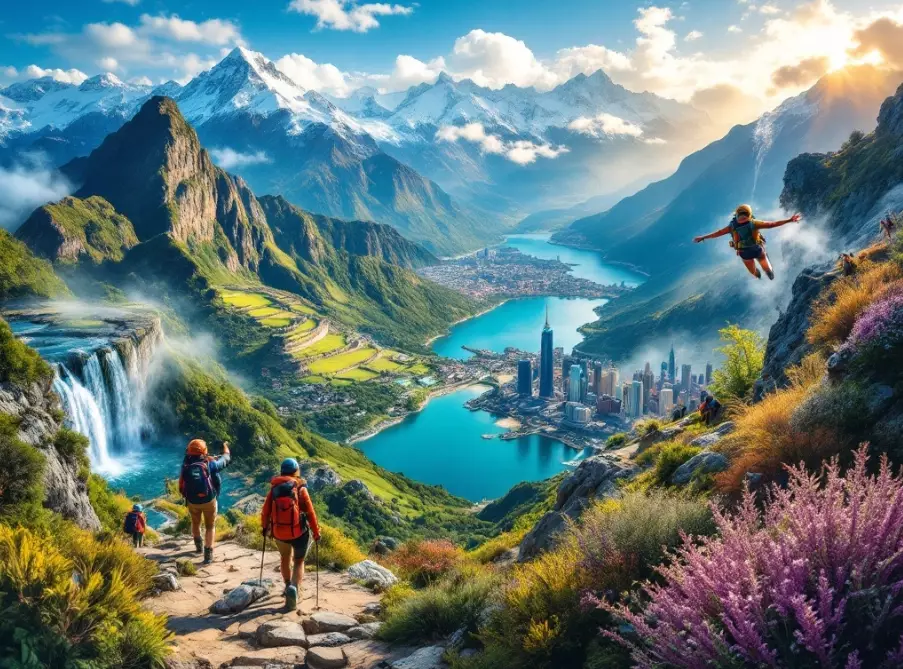
Key Info: Torres del Paine National Park, Magallanes Region, Chile. Park entry fee is ~$35 USD for foreigners. The main season is October to April. You must book refugios (mountain huts) or campsites through official concessionaires like Vertice Patagonia or Fantastico Sur at least 6 months ahead for the popular routes. Flights go to Punta Arenas (PUQ), then it's a 5-hour bus to Puerto Natales, the gateway town.
The mistake I see? People focus only on the famous towers. The less-crowded French Valley, with its looming glaciers and thunderous ice calving, is often the more memorable section. And don't underestimate the weather. You can experience four seasons in one day. A waterproof, windproof jacket isn't a suggestion; it's your most important piece of gear.
2. The Himalayas (Nepal): More Than Just Everest Base Camp
Nepal is synonymous with high-altitude adventure. Everest Base Camp (EBC) is the headline act, but it's a crowded highway during peak seasons. For a more immersive experience, consider the Annapurna Circuit or the remote Manaslu Circuit, which requires a restricted area permit and a guide.
| Trek | Duration | Max Altitude | Key Challenge | Budget (excl. flights) |
|---|---|---|---|---|
| Everest Base Camp | 12-14 days | 5,364m (17,598ft) | Altitude, popularity | $1,200 - $2,500+ |
| Annapurna Circuit | 15-20 days | 5,416m (17,769ft) | Long duration, Thorong La Pass | $1,000 - $2,000 |
| Manaslu Circuit | 14-18 days | 5,106m (16,752ft) | Remote, requires guide | $1,500 - $2,800 |
You'll fly into Kathmandu (KTM). The real cost isn't just the guide/porter; it's the domestic flights to Lukla (for EBC) or the jeep rides to trailheads. Acclimatization days are built into good itineraries—ignore them at your peril. The food on the trails is heavy on carbs (dal bhat, noodles), which is exactly what you need. Pack electrolyte tablets; they're a game-changer.
3. Queenstown, New Zealand: The Adventure Capital Playground
If Patagonia is about endurance, Queenstown is about pure, unadulterated adrenaline. It's commercialized, yes, but the execution is world-class. This is where bungee jumping was modernized by AJ Hackett.
You can bungee, skydive, canyon swing, white-water raft, and heli-ski, often all in the same week. The Remarkables mountain range provides a stunning backdrop. It's expensive. A single bungee jump costs around $200 NZD, skydiving over $300. The town is walkable, packed with hostels and Fergburger (worth the hype, honestly).
My advice? Mix the big-ticket thrills with the free adventures. Hike the Queenstown Hill or Ben Lomond track for breathtaking views that cost nothing but sweat. And if you're driving, the road to Glenorchy is one of the most beautiful short drives on the planet.
4. The Amazon Basin (Peru/Brazil): A Different Kind of Intensity
The adventure here is sensory and mental. The heat and humidity hit you first. Then the sounds—a constant, layered symphony of life. Adventure here means navigating by boat, hiking muddy trails, and spotting wildlife that doesn't want to be spotted.
Critical Tip: Do not go on a super-budget, unguided tour into the Amazon. It's irresponsible and unsafe. You need a knowledgeable guide not just for spotting animals, but for understanding the ecosystem and navigating potential hazards. Reputable lodges like those around Puerto Maldonado (Peru) or Manaus (Brazil) offer packages with expert guides.
It's not a zoo. Seeing a jaguar is incredibly rare. The magic is in the details: a troop of squirrel monkeys, a three-toed sloth high in the canopy, the sheer scale of a giant kapok tree. Pack quick-dry clothing, a headlamp, and the strongest insect repellent you can find. Malaria prophylaxis is often recommended—consult a travel clinic.
How to Choose Your Adventure (The Right Way)
Picking a spot because it looks cool on Instagram is a recipe for misery. Ask yourself these questions honestly:
- What's your fitness baseline? Can you hike with a pack for 6 hours on consecutive days? Be real. Start training months before.
- What's your comfort with discomfort? Are you okay with no hot shower for a week? Basic toilets? Unpredictable weather?
- What's your budget, really? Include gear, flights, permits, guides, insurance, and a buffer for emergencies. An adventure trip is rarely cheap.
- Are you seeking solitude or community? Popular trails offer camaraderie; remote ones offer isolation. Which fuels you?
This self-assessment is more valuable than any list. A multi-day jungle trek is a vastly different experience from a week of day hikes in the Alps, even though both are "adventure travel."
Planning Your Adventure Itinerary
Once you've chosen, the real work begins. Here's a framework for a 10-day Patagonia trekking trip, for example:
Months 6-12 in advance: Secure your park permits and accommodation (refugios/campsites). Book international flights. Months 3-6 in advance: Buy core gear (boots, backpack, sleeping bag). Break in your boots on local trails. Month 1 in advance: Book domestic transport (buses, ferries). Arrange travel insurance that covers high-altitude trekking and evacuation. Finalize your packing list. Week of: Check weather forecasts obsessively. Pack. Do a final gear check. Sample Itinerary (Torres del Paine O Circuit): Day 1-2: Arrive Puerto Natales, gear check, bus to park. Day 3-9: The O Circuit trek (less crowded than the W). Day 10: Return to Puerto Natales, collapse in a cafe.
The Non-Negotiable Packing Essentials
Everyone talks about layers. I'll talk about the stuff you might forget that will save you.
- Foot Care Kit: Moleskin, leukotape, antiseptic wipes, and needle/thread for blisters. Treat your feet like royalty.
- Waterproof Bags: Zip-lock bags for electronics, documents, and dry socks. A trash compactor bag as a liner inside your backpack.
- Power Bank: A high-capacity one. You might be off-grid for days.
- Earplugs and Sleep Mask: For noisy refugios, tents, or long flights.
- A Small Notebook: Phones die. Write down trail notes, wildlife sightings, your thoughts.
Your biggest pack should be your daypack (for essentials during hikes), not your checked luggage.
Staying Safe Out There
Adventure implies risk, but smart risk.
Tell Someone Your Plan: Leave a detailed itinerary with someone back home, including when you expect to have signal next. Get the Right Insurance: Standard travel insurance often excludes "hazardous activities." Get a policy from a specialist like World Nomads or SafetyWing that explicitly covers your planned activities (trekking above a certain altitude, scuba diving, etc.). Listen to Local Guides: They know the weather patterns, the trail conditions, and the risks you can't see. Your ego is not more knowledgeable than their experience. Know Your Limits: Turning around because of bad weather or fatigue isn't failure; it's wisdom. The mountain will be there another day.
Your Burning Adventure Questions Answered
 How do I find affordable flights to these often-remote destinations?