Let's be honest. The term "sustainable eating" can sound like another chore on a never-ending list. It conjures images of expensive organic aisles, confusing labels, and a vague sense of guilt every time you reach for a banana. But after years of writing about food systems and experimenting in my own kitchen, I've found it's simpler, cheaper, and more satisfying than that marketing haze suggests. At its core, sustainable eating is about making choices that are good for your body and don't wreck the planet for future generations. It's not about perfection; it's about better patterns. This guide cuts through the noise with practical, actionable steps you can start today, whether you're cooking for one or a family of five.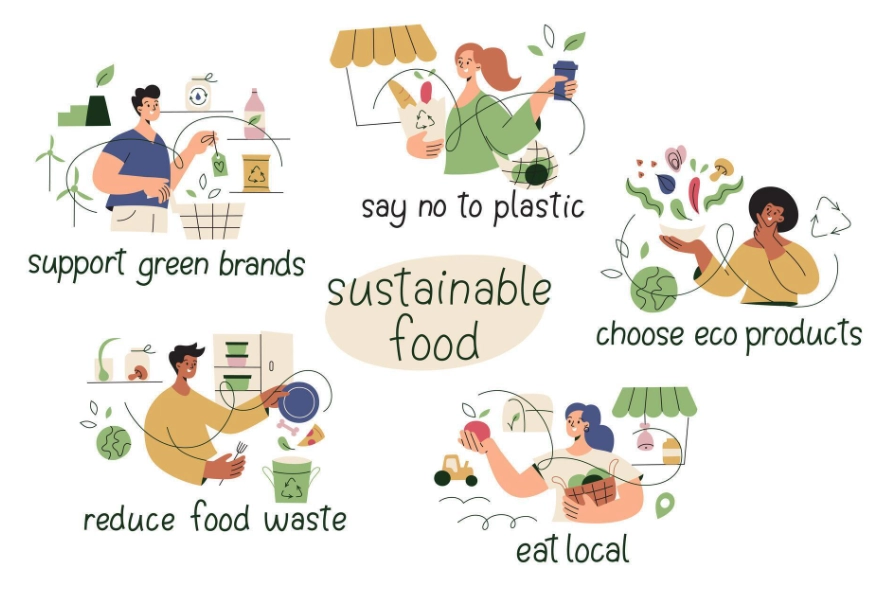
Your Quick Guide to Sustainable Eating
What Sustainable Eating Really Means (Beyond the Buzzword)
Forget the Instagram version. Sustainable eating isn't just kale smoothies in reusable jars. It's a system of choices that considers environmental impact, economic viability, social equity, and personal health. The United Nations Food and Agriculture Organization frames it as diets with low environmental pressure that contribute to food security and a healthy life.
In practice, this boils down to a few key principles:
- Prioritizing Plants: Shifting more of your plate toward fruits, vegetables, legumes, nuts, and whole grains. These generally require fewer resources like water and land and produce fewer greenhouse gases than animal products.
- Slashing Waste: The EPA estimates that over 30% of the U.S. food supply goes uneaten. Wasted food means wasted resources—all the water, energy, and labor that went into producing it, only for it to rot in a landfill producing methane.
- Choosing Seasonal & Local (When It Makes Sense): Eating strawberries in December usually means they've traveled far, often by air. Seasonal, local produce tends to be fresher, supports local farmers, and has a lower transportation footprint. But here's a nuance: don't villainize all imported food. A tomato grown in a sun-rich country and shipped by sea might have a lower carbon footprint than one grown locally in an energy-intensive heated greenhouse.
- Considering How It's Grown: This is where organic, regenerative, and agroecological practices come in. They focus on soil health, biodiversity, and reducing synthetic chemicals. It's a complex topic, but a good rule of thumb is to know your sources when you can.
The Expert Slant: The biggest misconception? That sustainable eating is an all-or-nothing, purist lifestyle. It's not. A 2021 study in Nature Food highlighted that if the average American simply replaced half their red meat consumption with plants, their diet-related carbon footprint would drop by over 35%. That's massive progress without giving up your favorite burger entirely.
5 Actionable Steps to Eat More Sustainably This Week
Let's move from theory to your kitchen. You don't need to overhaul everything at once. Pick one or two of these to start.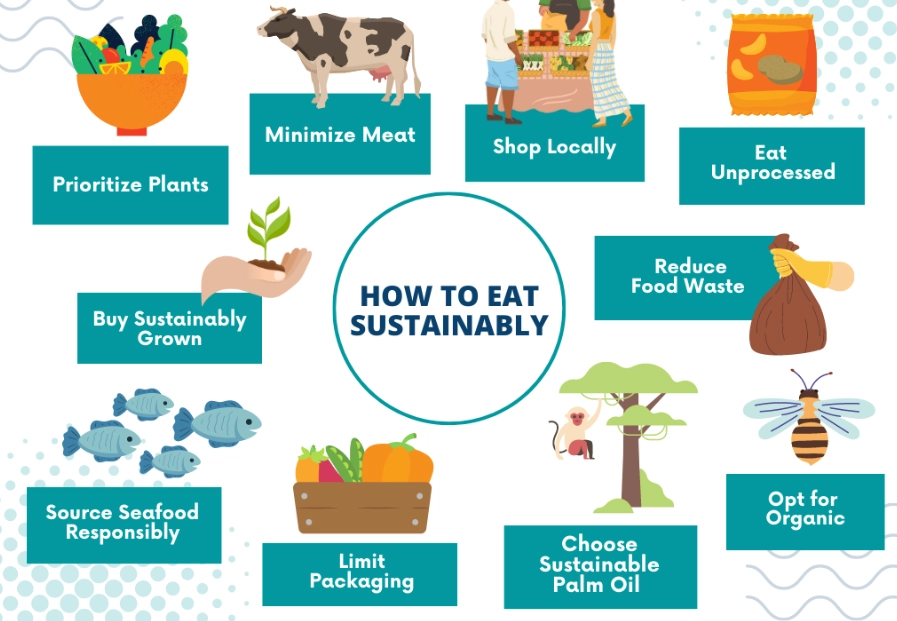
1. Master the "Use-It-Up" Meal
This is the single most effective habit. Before you shop, scan your fridge, freezer, and pantry. Plan meals around what you already have. Got wilting spinach, a lone carrot, and some leftover rice? That's a fried rice base. Soft tomatoes and bread? Panzanella salad or a quick sauce. I dedicate one dinner a week to this. It saves money and sparks creativity.
2. Shop with a Flexible List
Write your list, but keep an eye out for what's on sale, in season, or looks particularly good. If asparagus is $1.99 a bunch instead of the green beans you planned for, swap. This flexibility lets you capitalize on abundance, which often means lower prices and better quality.
3. Relearn How to Store Food
We toss so much food because we store it wrong. Herbs go in a glass of water like flowers. Onions and potatoes should live separately (the moisture from potatoes makes onions rot). Most berries last longer in a sealed container in the fridge after a quick vinegar-water rinse. The USDA's FoodKeeper app is a great resource for this.
4. Embrace the "Ugly" and the Whole Vegetable
Buy the misshapen carrot or the slightly small pepper. They taste the same. And start using more of the vegetable. Beet greens are delicious sautéed. Broccoli stalks, peeled and sliced, are great in stir-fries. Carrot tops can make a pesto. This mindset instantly reduces waste.
5. Cook One More Plant-Based Meal
Notice I didn't say "go vegan." Just aim for one more dinner a week where plants are the star. Think a hearty lentil soup, a black bean burger, a big chickpea curry, or pasta with a rich mushroom ragù. It's a low-pressure way to explore new recipes and reduce your footprint.
The 3 Biggest Mistakes Beginners Make (And How to Avoid Them)
I've seen these trip people up time and again.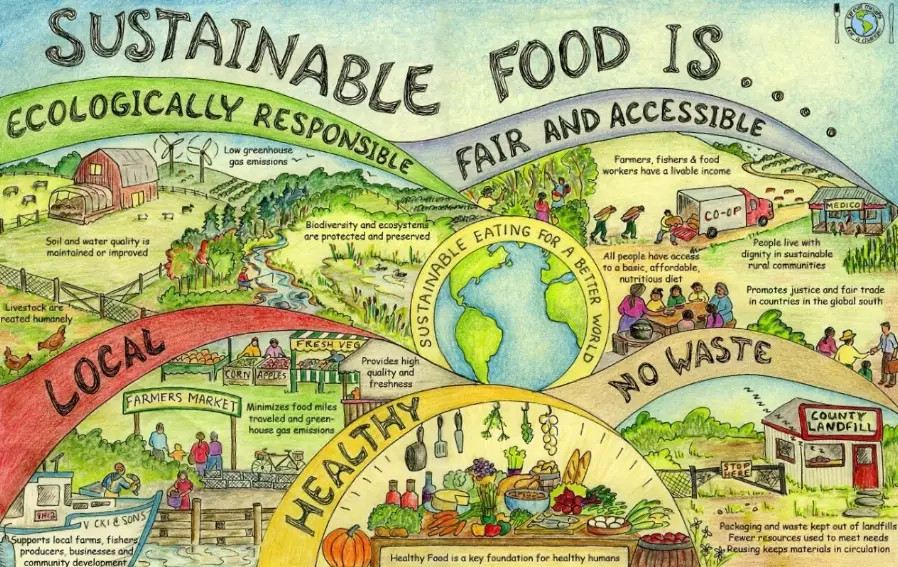
Mistake 1: The Expensive "Superfood" Obsession. You think you need acai from the Amazon, quinoa from the Andes, and chia seeds from Mexico to eat well. The carbon miles alone are counterproductive. Fix it: Find local heroes. Swap chia seeds for flaxseeds grown in North America. Use blueberries or blackberries instead of acai. Oats are a fantastic, cheap, and low-impact superfood.
Mistake 2: Assuming All Plant-Based Alternatives Are Green. That highly processed vegan cheese or meat substitute wrapped in plastic might be plant-based, but its environmental and health profile can be questionable. Fix it: Focus on whole-food swaps first. Use mashed beans as a taco filling, grilled portobello as a burger, or lentils in your bolognese. If you use processed alternatives, read the labels and view them as occasional conveniences, not staples.
Mistake 3: Overbuying at the Farmers Market. The excitement is real! You buy beautiful heirloom tomatoes, fresh basil, and artisan cheese with grand plans. Then life happens, and it all wilts. Fix it: Go to the market with a rough plan and a cash budget (it limits you). Talk to the farmers. Ask what's at its peak and how to store it. Buy what you know you'll use in the next 2-3 days.
The Protein Puzzle: A Realistic Comparison of Your Options
This is where people get stuck. Let's break down the environmental impact of common protein sources. The data here synthesizes findings from studies like the one published in Science (Poore & Nemecek, 2018), which looked at land use, water use, and emissions across thousands of farms.
| Protein Source | Greenhouse Gas Emissions (kg CO2-eq per 100g protein) | Land Use (sq meters per 100g protein) | Practical Takeaway |
|---|---|---|---|
| Beef (beef herd) | ~50 | ~164 | Highest impact by far. Reducing frequency and portion size has the biggest effect. |
| Lamb & Mutton | ~20 | ~185 | Similar high land use. Consider as an occasional treat. |
| Cheese | ~11 | ~41 | Dairy is resource-intensive. Enjoy it, but maybe not as a daily protein staple. |
| Pork | ~7 | ~11 | Lower than beef, but still significant. Opt for pasture-raised when possible for better welfare. |
| Poultry (Chicken) | ~5.7 | ~7 | A much lower-impact animal protein. A common "swap-down" recommendation. |
| Eggs | ~4.2 | ~5.7 | Efficient animal protein. Pasture-raised eggs often have better nutrient profiles. |
| Farmed Fish (e.g., Salmon) | ~6 | ~3.7 | Varies wildly by species and farming method. Look for ASC or BAP certifications. |
| Tofu | ~2.0 | ~2.2 | Excellent low-impact option. Versatile and a great meat substitute. |
| Peas | ~0.4 | ~3.2 | One of the most sustainable sources. Used in many plant-based meats. |
| Lentils & Beans | ~0.8 | ~4.5 | The sustainability all-stars. Cheap, nutritious, and great for soil health. |
| Nuts (e.g., Almonds) | ~0.3 | ~7.5 | Low emissions but high water use (almonds especially). Eat in moderation. |
The table isn't about declaring winners and losers but showing a spectrum. You don't need to eliminate anything. If your weekly dinner menu is heavy on the left side of the table, try shifting a few meals toward the right. A "blended" approach—like adding mushrooms to ground meat to make it stretch further—is a smart, seamless strategy.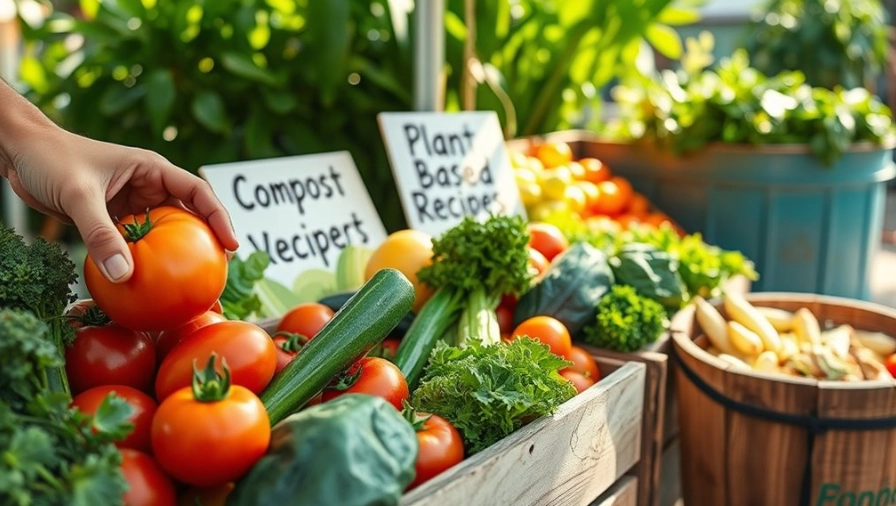
Your Sustainable Eating Questions, Answered
Isn't sustainable eating way more expensive?
It can be if you focus on buying all organic, packaged "eco" products, and out-of-season berries. But the core practices save money. Buying in season, reducing waste, eating more beans and lentils, and cooking at home are all budget-friendly. The most expensive food is the food you throw away.
How do I handle sustainable eating with a picky family?
Don't announce a revolution. Start with stealth swaps and familiar formats. Blend lentils into your spaghetti sauce. Make "Monday night beans" a fun tradition with baked beans or black bean tacos. Get them involved in growing a herb pot or choosing seasonal produce at the store. Focus on adding in good things rather than taking away favorites.
 What's the one thing I should stop buying to make the biggest difference?
I'd reframe it: what's the one habit to start? It's planning your meals around what you already have. This tackles waste at the root, saves money, and naturally makes you a more mindful shopper. If you must have a "stop" item, consider reducing purchases of out-of-season produce flown in from another hemisphere, especially delicate items like berries and asparagus.
Are almond and oat milk actually better than dairy milk?
It's a trade-off. Dairy milk generally has higher greenhouse gas emissions and land use. Almond milk has a lower carbon footprint but uses more water (mainly an issue in drought-prone California where most U.S. almonds are grown). Oat milk tends to score well across the board—lower emissions, lower water use than almonds, and oats are often grown in cooler climates with less intensive farming. Soy milk is also a very efficient option. The best choice is the one you'll actually drink and that aligns with your local water concerns.
I compost. Isn't that enough?
Composting is fantastic—it keeps food out of landfills and creates soil. But it's the last step in the food waste hierarchy. The priority is, in order: reduce how much extra you buy, reuse leftovers, then recycle scraps via composting. Composting a bunch of spoiled food is better than trashing it, but preventing that spoilage in the first place saves all the resources that went into producing that food.